

Drivers in Arlington face busy roads, constant construction, and heavy traffic around places like Interstate 20. When a collision happens, insurance companies start assigning blame right away, sometimes in ways that don’t match the facts.
How to tell who is at fault in a car accident often becomes the first urgent question after a crash. Pain, confusion, and unanswered questions can stack up fast, especially when another driver’s choices caused injuries or the loss of someone you love.
Fault decides who pays for medical care, missed work, vehicle repairs, and other losses. Getting clear answers early helps protect your position and keeps the focus on accountability.
A Texas car accident lawyer can step in to gather proof, push back against unfair fault claims, and handle the claim so you can focus on healing.
Key Takeaways: Proving Fault in a Car Accident
- Texas follows a modified comparative negligence rule, meaning you can recover damages as long as you’re less than 51% at fault for the accident
- Police reports, witness statements, traffic violations, and physical evidence are major factors in determining fault
- Texas law requires drivers to maintain certain duties of care, and traffic law violations create a presumption of negligence
- Insurance companies may assign fault percentages that don’t match the evidence, which makes solid documentation necessary
- Comparative fault reduces financial recovery in proportion to your share of responsibility, rather than blocking a claim outright
What Does Fault Mean in a Texas Car Accident?
Fault describes legal responsibility for a crash. Texas law looks at whether a driver acted carelessly or broke a traffic rule and whether that action led to the collision and resulting harm. Before digging into details, a quick look at a few legal terms helps clarify how fault works in real life:
- Negligence means a driver failed to act with reasonable care, such as speeding or ignoring a red light
- Duty of care refers to a driver’s legal obligation to operate a vehicle safely and follow traffic laws
- Breach occurs when a driver violates that duty through unsafe behavior
- Causation links the unsafe behavior directly to the crash and injuries
- Damages describe the losses caused by the collision, including medical bills, income loss, and property damage
Legal Definition of Negligence in Texas
Texas defines negligence as conduct that falls below the standard a reasonably careful driver would follow in similar circumstances. Speeding through traffic on Cooper Street during rush hour, for example, ignores predictable risks and puts others in danger. When that behavior leads to a crash, the law treats it as negligence.
The Four Elements Required to Prove Fault
A successful fault argument rests on four building blocks. First, the at-fault driver owed a duty of care to others on the road. Second, that driver breached the duty by acting unsafely. Third, the breach caused the crash. Fourth, the crash resulted in measurable losses. Each element works together, and evidence ties them into a clear story.
How Texas Modified Comparative Negligence Works
Texas uses a modified comparative negligence system. This rule assigns each party a percentage of responsibility. Drivers with 50% or less responsibility may still pursue damages, though the amount drops based on their share. A driver found 20% responsible would see a 20% reduction in financial recovery.
Who Determines Fault After a Car Accident?
Different players weigh in on fault, and each has a different role. Understanding who does what helps explain why fault decisions sometimes conflict.
The Role of Law Enforcement Officers
Police officers respond to crashes, secure the scene, interview drivers and witnesses, and write accident reports. Officers may note traffic violations, road conditions, and visible injuries. While a police report doesn’t decide fault on its own, it often carries weight with insurers and courts.
How Insurance Adjusters Assess Fault
Insurance adjusters review reports, photos, statements, and policy terms. Their goal centers on limiting what their company pays. Adjusters sometimes assign higher fault percentages to injured drivers, especially when evidence gaps exist. Detailed records help counter these efforts.
When Courts Make the Final Determination
Courts step in when disputes remain unresolved. Judges or juries review evidence, hear testimony, and assign fault percentages. Court decisions carry legal authority, unlike insurance opinions.
What Evidence Is Used to Determine Fault in Texas?
Proof drives fault decisions. Strong evidence paints a clear picture of how and why a crash occurred.
Police Reports and Accident Reconstruction
Police reports summarize the scene and list possible violations. Accident reconstruction uses physics and engineering principles to recreate how vehicles moved before impact. Skid marks, vehicle angles, and debris patterns help explain events.
Witness Statements and Testimony
Neutral witnesses often provide valuable insight. A bystander who saw a driver run a red light near Randol Mill Road can confirm details neither driver noticed. Written statements and later testimony add credibility.
Traffic Camera Footage and Dashcam Video
Video footage captures events in real time. Traffic cameras at busy intersections and dashcams inside vehicles often show signal changes, speeds, and points of impact. This footage limits room for debate.
Vehicle Damage and Physical Evidence
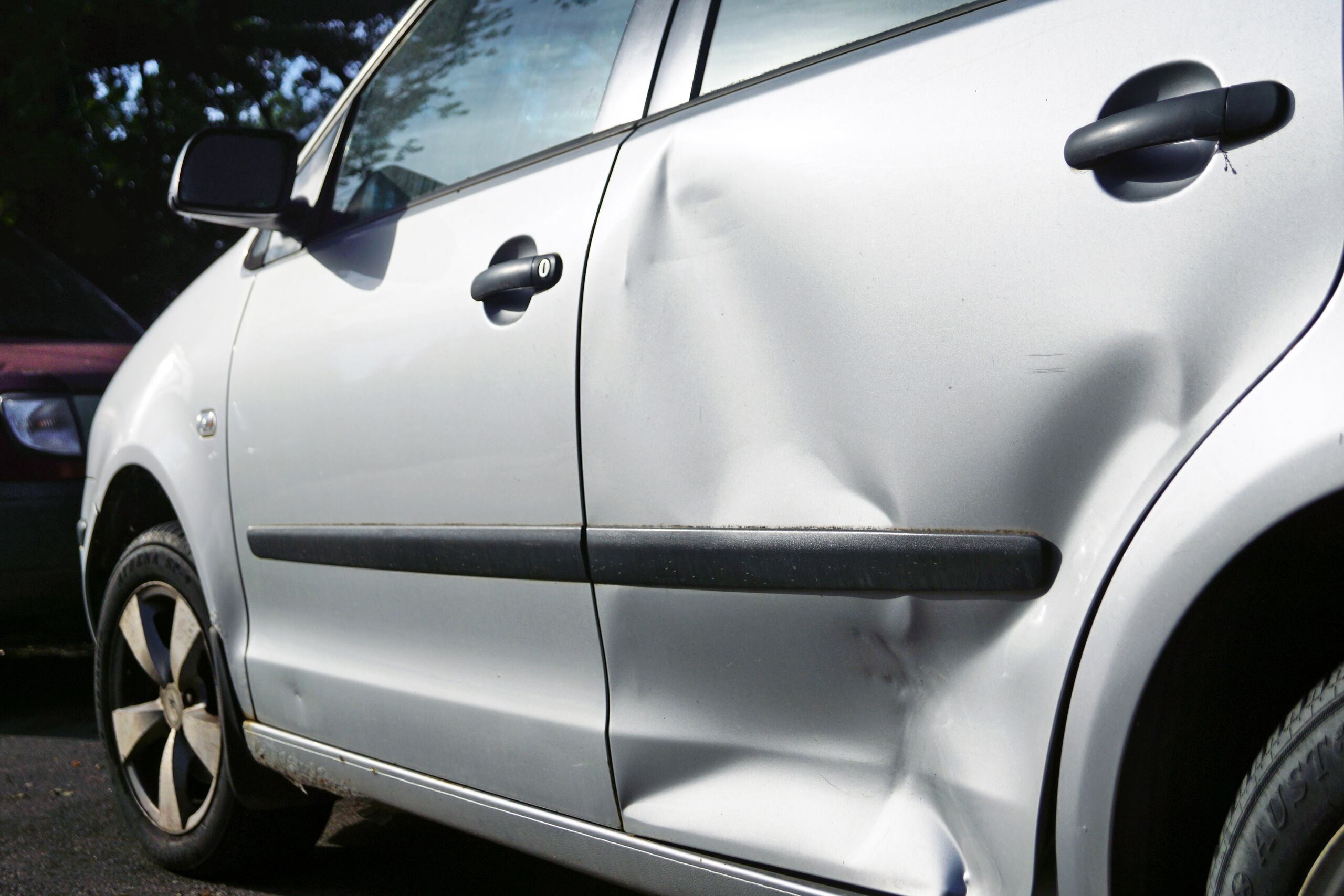
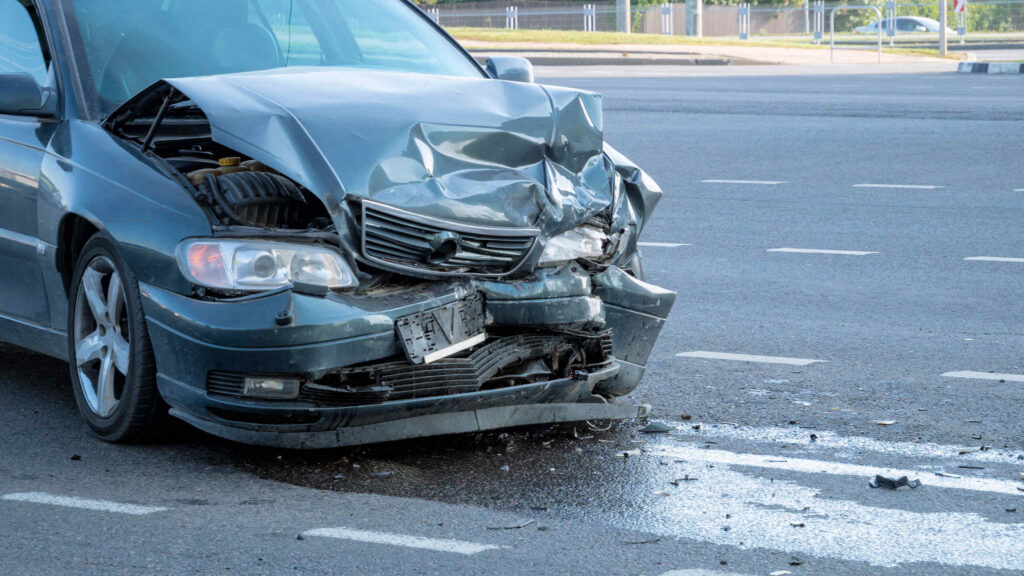
Damage patterns tell a story. Crumpled bumpers, side panel dents, and broken glass show angles and force. Photos taken at the scene preserve details before repairs begin.
Traffic Citations and Violations
A citation for speeding, failure to yield, or distracted driving points toward negligence. While tickets don’t decide civil fault alone, they support a broader claim.
How Do Texas Traffic Laws Affect Fault Determination?
Traffic laws set clear expectations for driver behavior. Violations often point directly to fault.
Right-of-Way Rules Under Texas Transportation Code
Right-of-way laws control who moves first at intersections and merges. Ignoring these rules, such as failing to yield on Division Street, places responsibility on the violating driver.
Speed Limits and Following Distance Requirements
Texas law requires drivers to control speed based on conditions. Tailgating or driving too fast for traffic increases stopping distance and crash risk.
Traffic Signal and Stop Sign Violations
Running red lights or rolling through stop signs creates predictable dangers. These violations often lead straight to fault findings.
Distracted Driving and Cell Phone Laws
Texting, scrolling, or holding a phone while driving pulls attention away from the road. Texas bans certain handheld phone use, and violations support negligence claims.
What Are the Most Common Types of Fault in Car Accidents?
Certain crash types appear again and again on Arlington roads.
Rear-End Collisions
Rear-end crashes usually place responsibility on the trailing driver. Following too closely or failing to brake in time causes most of these wrecks, including those along Arkansas Lane.
Left-Turn Accidents
Drivers turning left must yield to oncoming traffic. Misjudging speed or distance often leads to side-impact collisions.
Intersection Crashes
Intersections combine multiple directions of travel. Signal violations, distracted driving, and confusion cause many of these crashes, especially near entertainment districts like the area around AT&T Stadium.
Lane Change and Merge Accidents
Unsafe lane changes and improper merges create sideswipe collisions. Blind spots and failure to signal play a role.
DUI and Reckless Driving Cases
Alcohol, drugs, and reckless behavior strip away judgment and reaction time. Texas law treats these actions seriously, and fault usually follows the impaired driver.
Identifying common mechanical problems that lead to vehicle failure is a critical part of investigating an Arlington car accident to determine if a manufacturer or maintenance provider is liable for your injuries.
Can Multiple Drivers Be at Fault in Texas?
Many crashes involve shared responsibility. Texas law allows fault to spread across drivers.
Understanding Shared Liability
Shared liability assigns percentages to each driver. One driver might bear most responsibility, while another carries a smaller share for speeding or distraction.
How Comparative Fault Affects Your Compensation
Financial recovery adjusts based on fault percentages. A lower assigned percentage keeps more of the claim value intact.
The 51% Bar Rule in Texas
Drivers who carry 51% or more responsibility lose the ability to pursue damages from others. Staying below this threshold matters greatly.
What Should You Do at the Accident Scene to Protect Your Case?
The moments right after a crash shape what happens next. Clear thinking and careful steps help preserve facts, limit confusion, and protect your position if another driver caused the collision.
Document Everything Immediately
Use your phone to take photos and videos before vehicles move, if safety allows. Capture damage to all cars, skid marks, debris, traffic signals, lane markings, weather conditions, and any visible injuries. A short video walking around the scene can show distances and angles that still photos miss.
Exchange Information Properly
Collect names, phone numbers, driver’s license numbers, license plates, and insurance details from every driver involved. Write down the make, model, and color of each vehicle. If witnesses stop, ask for their contact information and a brief statement of what they saw.
Report the Accident to Police
Ask for law enforcement to respond and create a report. Officers document the scene, note possible violations, and record statements. Request the report number and the officer’s name so you can obtain a copy later.
Seek Medical Attention
Get checked by a medical professional as soon as possible, even if pain seems mild. Early evaluation connects injuries to the crash and helps doctors spot issues that don’t show symptoms right away. Follow-up care also creates records that support your claim.
Facilities like Texas Health Arlington Memorial Hospital and Medical City Arlington often treat collision-related injuries and create records that support claims.
Avoid Admitting Fault
Stick to factual descriptions when speaking with others. Avoid apologies, guesses, or statements about blame. Casual comments at the scene sometimes appear later as admissions, even when the facts point elsewhere.
Knowing what to do after a car accident is the best way for Arlington drivers to ensure they preserve vital evidence and protect their legal right to compensation from the very beginning.
How Long Do You Have to File a Claim in Texas?
Texas generally allows two years from the crash date to file a personal injury lawsuit. Property damage claims also follow deadlines.
Why Acting Quickly Matters
Early action preserves evidence, secures witness memories, and counters insurance tactics. Waiting gives insurers more room to question details.
How Our Firm Can Help
After a car accident in Arlington, having the right legal support makes a real difference in how a claim moves forward. At Branch & Dhillon, we step in early to protect your interests and take the pressure off you while your claim develops. We handle communication with insurance companies, at-fault drivers, and other parties so you don’t have to manage those conversations on your own.
Building a Strong Case Through Evidence
Our team gathers and reviews the evidence needed to show what happened and why the other driver bears responsibility. That work often includes police reports, photos, video footage, vehicle damage analysis, medical records, and witness statements. We also work closely with health care providers to clearly document how the crash affected your health, treatment needs, and daily life.
Challenging Insurance Company Disputes
When an insurance company downplays injuries or assigns blame unfairly, we push back with facts and documentation. If the at-fault party or insurer refuses to accept responsibility, we prepare the case for court and continue advocating for a resolution grounded in the evidence.
Keeping You Informed Throughout the Process
Throughout the process, we keep you informed, answer questions, and explain each step in plain language. Our goal centers on helping you pursue financial recovery while you focus on healing and moving forward.
FAQs About Proving Fault in a Car Accident
Texas law allows recovery when your responsibility stays below 51%. The final amount reflects your percentage of fault.
Uninsured motorist coverage, if available, may apply. Legal review helps identify other possible sources of payment.
Police reports influence claims but don’t decide civil liability. Additional evidence like video or witness statements can challenge the report.
A ticket supports a fault argument but doesn’t settle the issue alone. Civil cases consider broader evidence.
Insurance companies often raise rates after at-fault accidents. Disputing inaccurate fault findings may help protect future premiums.
Contact Our Skilled Car Accident Attorneys Today
Car accident claims move quickly, and delays often benefit insurers and at-fault drivers. Acting promptly helps preserve proof and strengthens your position. Branch & Dhillon offers steady support, clear communication, and focused advocacy for Arlington drivers harmed by another’s choices. Reach out for a free consultation to discuss your situation and next steps.