

A distracted driver may seem careless in hindsight, but for the person hurt in the crash, the consequences feel very real. You may face doctor visits, therapy, car repairs, and time away from the routines that once felt normal. Families who lose a loved one also carry grief that no legal claim can truly erase.
What are the most common types of distractions while driving? That question comes up often after a serious crash, especially when a driver looked down for just a moment and caused a life-altering collision. In Arlington, TX, distracted driving accidents leave families dealing with painful injuries, missed work, and many stressful unknowns.
After a wreck caused by an inattentive driver, you deserve support, clear answers, and strong legal guidance. A Texas car accident lawyer can help you pursue a claim, gather proof, and respond to insurance company pressure.
Key Takeaways: The Most Common Types of Distractions While Driving
- A quick glance away from the road can lead to a serious collision.
- Texting, apps, and calls pull attention away at the worst moments.
- Statewide rules ban texting while driving and allow penalties for unsafe conduct.
- Phone records, witnesses, and video footage often support accountability.
- Claims may involve missed income, ongoing care, pain, and reduced daily enjoyment.
What Are the Three Main Categories of Driving Distractions?
Drivers get distracted in many ways, and safety researchers often group distractions into three main types. Each category affects attention behind the wheel, and many crashes involve more than one at the same time.
Visual Distractions
Visual distractions happen when a driver’s eyes leave the road. Even a brief look down can cause danger, especially in busy Arlington traffic near Interstate 20.
Drivers may glance at a text message, check a GPS screen, or look at something happening outside the car. During that moment, traffic can slow, a pedestrian can step forward, or a light can change.
Manual Distractions
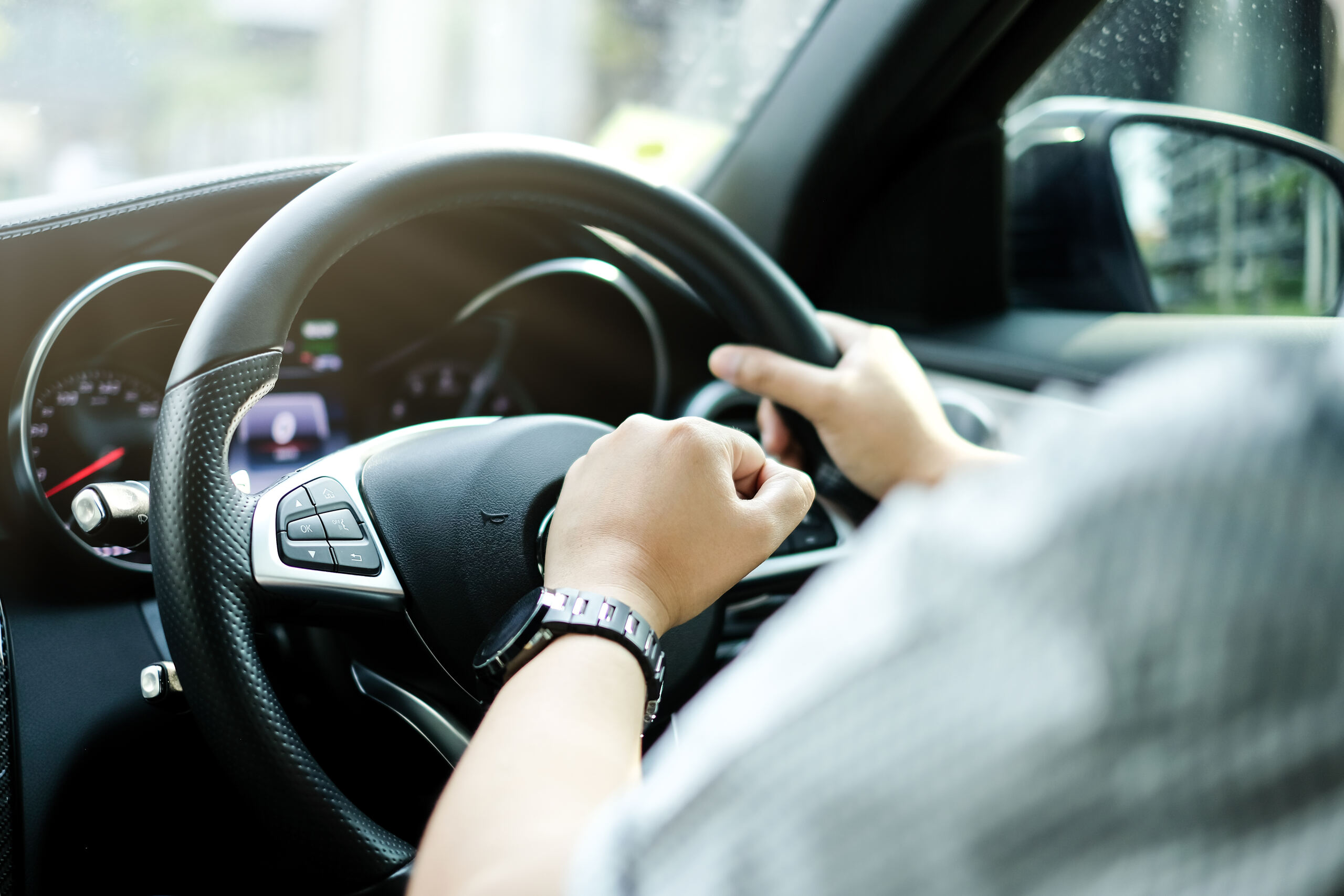
Manual distractions involve taking one or both hands off the steering wheel. Drivers do this when they grab food, reach for a dropped item, or adjust controls.
Safe driving depends on steady control, especially when sudden stops happen or another driver swerves unexpectedly. One hand on the wheel reduces reaction ability, and two hands off the wheel can lead to complete loss of control.
Cognitive Distractions
Cognitive distractions pull the mind away from driving, even if eyes stay forward. Stressful conversations, daydreaming, or focusing on work problems can slow reaction time.
A distracted brain may fail to notice brake lights ahead or may miss a car entering from a side street. Many drivers believe they can “multitask,” but the brain can only focus fully on one demanding task at a time.
How Does Texas Law Address Distracted Driving?
Texas lawmakers have taken steps to reduce distracted driving, especially involving phones. These rules encourage safer roads and create accountability when careless actions cause harm.
Texas Ban on Texting While Driving
Texas law prohibits drivers from reading, writing, or sending electronic messages while operating a vehicle. This statewide ban applies to texting, emailing, and similar forms of communication.
Police officers can issue citations when they observe violations. A driver who causes a crash while texting may also face civil responsibility through an injury claim.
Local Ordinances and Enhanced Restrictions
Cities may add stricter rules. Arlington has worked to promote safer driving, especially in crowded areas near AT&T Stadium where traffic and pedestrians mix closely.
Local enforcement efforts aim to reduce crashes caused by phone use and other distractions. Drivers must stay aware that rules may differ depending on where they travel within Texas.
Penalties for Distracted Driving in Texas
Drivers who violate texting laws may face fines, and penalties increase if a crash causes injury or death. Financial punishment alone won’t heal victims, but penalties send a message that distracted driving carries serious consequences.
Civil claims go beyond traffic tickets. Injury claims focus on covering medical needs, lost income, and other accident-related losses.
What Are the Most Common Types of Distractions Behind the Wheel?
Distractions come in everyday forms. Many drivers don’t realize how quickly small habits become dangerous. A person may feel confident, but the road demands full attention every second.
Cell Phone Use and Texting
Phones create one of the biggest risks on Texas roads. A driver might think, “I’ll just answer quickly,” but even one message can take eyes and focus away.
Phone distractions include:
- Texting or messaging: Reading or replying steals visual and mental attention.
- Social media scrolling: Endless feeds encourage longer distraction than expected.
- Hands-free calls: Conversation still occupies the brain, even without holding the phone.
- App notifications: Alerts tempt drivers to check screens immediately.
Drivers often underestimate how far a car travels in just five seconds. At highway speed, that distance can equal the length of a football field.
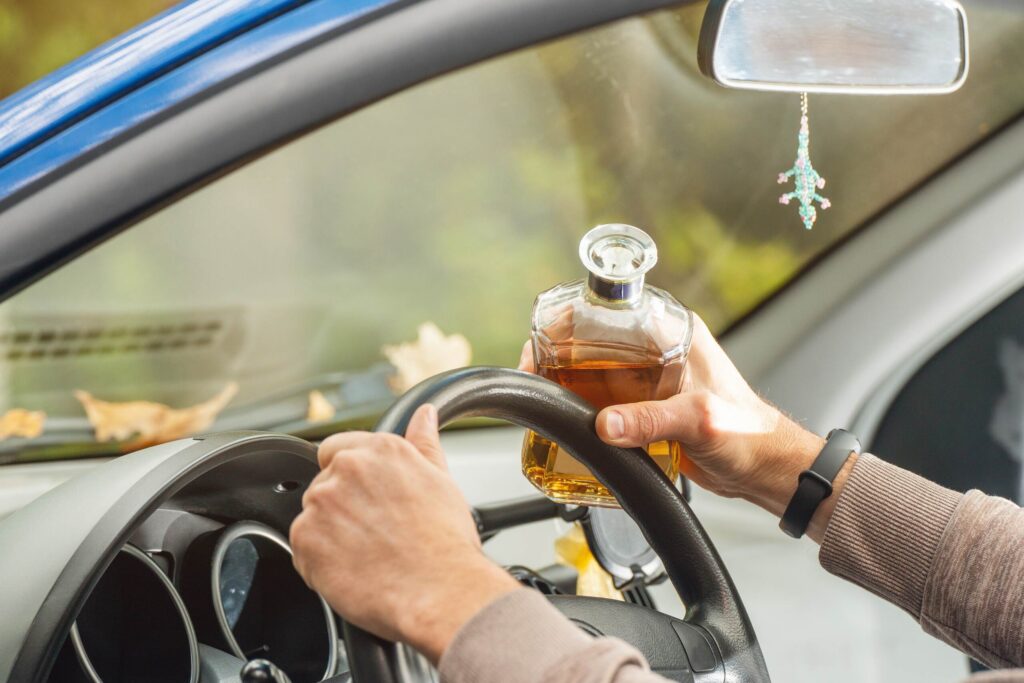
Eating and Drinking
Fast food meals feel convenient, but spills and wrappers create sudden distractions. Arlington commuters often grab breakfast on the go, then struggle to steer while juggling coffee.
A driver who looks down to clean a spill may not see stopped traffic ahead. Even unwrapping food can pull attention away at the wrong moment. Eating behind the wheel also encourages one-handed driving, which reduces control.
Adjusting Controls and Navigation Systems
Modern cars come with touchscreens, music apps, and navigation tools. Drivers often fiddle with settings while moving, especially near Cooper Street where traffic patterns shift.
A driver may think adjusting the GPS takes only a second, but menus and touch controls require longer focus than old-style buttons. Voice systems help, but they don’t remove cognitive distraction completely.
Grooming and Personal Care
Some drivers apply makeup, fix hair, or check their appearance while driving. These actions combine visual, manual, and cognitive distraction all at once. A driver holding a mascara wand or razor cannot react quickly to sudden braking.
Grooming may feel harmless during a slow commute, but traffic can change instantly. Personal care should always wait until the car is parked.
Passengers and Children
Passengers can distract drivers by talking loudly, arguing, or asking questions. Children in the back seat often need attention, and parents may turn around instead of watching the road.
Drivers can reduce passenger distractions by setting expectations before driving, such as staying seated and keeping noise levels down.
Pets in the Vehicle
Unrestrained pets can climb onto laps, block views, or cause sudden chaos. A dog jumping forward can cause a driver to jerk the wheel without thinking.
Pet restraints protect both animals and people. A secured pet also reduces distraction during sudden stops.
External Distractions
Drivers sometimes stare at billboards, construction zones, or crashes on the side of the road. Rubbernecking causes chain-reaction collisions, especially near Six Flags Over Texas during peak tourist seasons.
External distractions also include bright lights, unusual events, or even roadside arguments. Drivers must keep attention forward, not on nearby activity.
How Do Distracted Driving Accidents Impact Personal Injury Claims in Texas?
Distracted driving plays a major role in injury claims because it often proves negligence.
Negligence means a driver failed to act with reasonable care. In plain terms, the driver didn’t drive safely, and someone else got hurt.
Establishing Negligence in Distracted Driving Cases
A distracted driver often breaches their duty to drive safely. For example, someone who texts while approaching a red light may rear-end another car.
Lawyers work to show that the distraction directly caused the crash. When the evidence points clearly to inattentive driving, the injured person’s claim becomes stronger.
Evidence Used to Prove Distraction
Attorneys rely on evidence that shows what the driver did before impact. Useful evidence may include:
- Cell phone records showing texting activity
- Dashcam footage capturing driver behavior
- Traffic camera video from nearby intersections
- Witness statements describing what they saw
- Police crash reports noting suspected distraction
Hospitals such as Texas Health Arlington Memorial Hospital often document injuries right after a wreck, which helps connect harm directly to the collision.
Comparative Negligence Rules in Texas
Texas follows a modified comparative negligence rule. This means an injured person may still recover damages if they share some fault, as long as they remain less than 51% responsible.
Insurance companies often try to shift blame. They may argue you reacted too slowly or followed too closely, even when their driver caused the crash through distraction. Clear documentation helps counter those arguments.
What Damages Can You Recover After a Distracted Driving Accident?
A distracted driving crash often creates expensive and painful consequences. A claim may seek payment for many types of losses.
Economic Damages
Economic damages cover direct financial costs, such as:
- Emergency room visits
- Surgery and rehabilitation
- Prescription medications
- Physical therapy
- Lost wages
- Reduced future earning ability
- Vehicle repair or replacement
Treatment centers like Medical City Arlington help many crash victims recover, but medical expenses can grow quickly, especially with long-term care needs.
Non-Economic Damages
Non-economic damages address human losses that don’t come with receipts. These damages may reflect:
- Pain and discomfort
- Emotional distress
- Loss of enjoyment in hobbies and activities
- Strain on family relationships
A serious injury affects daily routines, independence, and peace of mind.
Punitive Damages in Gross Negligence Cases
Some distracted driving behavior rises beyond ordinary carelessness. Gross negligence involves extreme disregard for safety, such as high-speed texting in heavy traffic. Courts may award punitive damages to punish especially reckless conduct and discourage similar behavior.
How Long Do You Have to File a Distracted Driving Claim in Texas?
Texas law generally gives injured people two years from the crash date to file a personal injury lawsuit. Missing the deadline often prevents recovery through the court system, no matter how strong the evidence may be.
Exceptions to the Deadline
Some exceptions apply, such as cases involving minors or situations where injuries weren’t discovered immediately. Speaking with a lawyer soon after the crash helps protect your options and ensures paperwork gets filed correctly.
How Branch & Dhillon Can Help
Branch & Dhillon supports injured people across Arlington and surrounding communities after distracted driving crashes. Our team handles the legal process while you focus on healing.
We gather evidence, communicate with insurers, and build claims that reflect the true impact of the accident. Insurance companies often look for ways to reduce payouts, and our work responds with clear documentation and steady advocacy.
Our support often includes:
- Investigating the distracted driver’s actions
- Collecting phone and crash evidence
- Working with medical providers to document injuries
- Calculating costs tied to treatment and missed work
- Negotiating directly with insurers
- Preparing for court when the at-fault side refuses reasonable responsibility
A serious crash can leave you dealing with pain, uncertainty, and major life adjustments. Our firm works to provide clarity and direction throughout the claim.
FAQs About Distracted Driving Accident Claims in TX
Seek medical care right away, even if pain feels minor at first. Report the crash, document the scene with photos, and gather witness contact information if possible. Avoid giving recorded statements to the other driver’s insurer before getting legal advice.
Yes. Texas comparative negligence rules may still allow recovery if you hold less than 51% responsibility. A lawyer can help defend against unfair blame and present evidence that the distracted driver caused the collision.
Lawyers use phone records, witness accounts, video footage, and crash analysis. Strong evidence often shows what happened in the moments before impact. Police observations and driver admissions may also support the claim.
Insurance companies sometimes offer quick payments that fail to account for future medical needs or long-term effects. Reviewing any offer with a lawyer helps you avoid accepting an amount that falls short of your accident-related losses.
Many claims involve serious injuries, disputed fault, and aggressive insurers. Legal help often strengthens the case, protects your rights, and reduces stress during recovery.
Contact Our Distracted Driving Car Accident Attorneys Now
Distracted driving cases move quickly, and early action helps preserve phone records, video, and witness memories. Branch & Dhillon provides steady guidance, strong advocacy, and compassionate support for Arlington families after serious crashes. Reach out to our team today for a free consultation.