


If you were in a car accident that was partially your fault, you’re likely wondering, what if I am partly to blame for my car accident? You may feel unsure about your rights, especially if you suffered injuries or lost someone you love.
Shared fault does not automatically block you from seeking payment for your losses. Texas law allows injured drivers to recover money in many situations, even when they share some responsibility. A Texas car accident lawyer can review the facts, protect your rights, and deal with insurance companies that try to shift blame.
Key Takeaways: What To Do If Partially Responsible for Car Accident in TX
- Texas follows a modified comparative negligence rule that allows you to recover damages as long as you are 50% or less at fault for the accident
- Your compensation will be reduced by your percentage of fault, meaning if you’re 20% responsible, you’ll receive 80% of your total damages
- Insurance companies often try to assign more fault to you than warranted to reduce their payout obligations
- Actions like failing to wear a seatbelt or having a minor traffic violation don’t automatically bar you from recovery in Texas
- Hiring an experienced attorney can help protect your rights and counter unfair blame tactics used by insurers
What Is Comparative Negligence?
Car accidents rarely involve one perfect driver and one reckless driver. Often, both people made small mistakes. Texas uses a rule called comparative negligence to sort out who pays what.
Texas Uses a Modified Comparative Negligence System
Texas follows a modified comparative negligence system, or proportionate responsibility rule. Courts and insurance companies assign each driver a percentage of fault. If your share stays at 50% or less, you may still pursue payment for your losses.
For example, imagine a crash near The Parks Mall at Arlington. One driver speeds, while the other turns without signaling. Investigators might assign 30% fault to the turning driver and 70% to the speeding driver. The turning driver could still recover 70% of their total losses.
The 51% Bar Rule in Texas
Texas law sets a clear cutoff. If your fault reaches 51% or higher, you lose the right to recover money from the other driver.
This rule often becomes the center of disputes. Insurance companies know that pushing your percentage just above 50% saves them money. That incentive leads many insurers to argue aggressively about fault.
How Does Shared Fault Affect My Car Accident Claim?
Shared fault changes the math of your claim. It does not erase your claim unless your percentage crosses the 51% mark.
Your Compensation Gets Reduced by Your Fault Percentage
Your total losses include medical expenses, lost wages, property damage, and pain and suffering. After calculating that total, your fault percentage reduces the final amount. For example, if you hold 20% of the blame, your damages will be reduced by 20%.
Examples of Shared Fault Scenarios in Texas
Shared fault appears in many everyday situations:
- A driver checks a text message while another driver runs a stop sign near River Legacy Park.
- One car changes lanes without signaling on Interstate 20, while the other travels slightly above the speed limit.
- A driver follows too closely in traffic near Globe Life Field, and the lead car stops suddenly.
Each case depends on detailed facts. Small details often change fault percentages.
What Happens If You’re Found 51% or More at Fault?
When your responsibility reaches 51% or higher, Texas law bars recovery from the other driver. Insurance companies frequently aim for that outcome.
A lawyer can review evidence, challenge exaggerated claims, and work to keep your percentage within recoverable limits.
What Are Common Ways I Might Share Fault in an Accident?
Many drivers share fault without realizing it. Everyday driving habits often play a role.
Speeding or Driving Above the Posted Limit
Driving above the speed limit reduces reaction time. Even slight speeding can increase your share of fault if another driver makes a mistake.
Distracted Driving or Cell Phone Use
Texting, checking social media, or adjusting navigation apps divides attention. A few seconds of distraction may affect how fault gets assigned.
Failure to Yield Right of Way
Failing to yield at intersections, especially in busy areas like Collins Street, often leads to shared responsibility findings.
Following Too Closely or Tailgating
Rear-end collisions frequently involve following too closely. Investigators examine stopping distance, traffic flow, and brake timing.
Not Wearing a Seatbelt
Not wearing a seatbelt does not cause a crash, but insurers may argue that it worsened injuries. Texas law allows them to raise that issue in some cases.
Does Not Wearing a Seatbelt Affect My Claim in Texas?
Seatbelt use often becomes a point of debate during claims.
Texas Law on Seatbelt Use as Evidence
Texas permits defendants to present evidence that a person failed to wear a seatbelt. That evidence may reduce damages if the lack of a seatbelt contributed to injuries.
How Insurers Use Seatbelt Non-Compliance Against You
Insurance adjusters argue that certain injuries would have been less severe with a seatbelt. They may request medical opinions to support that claim.
Proving Your Injuries Would Have Occurred Regardless
Medical records and doctor testimony from facilities like Baylor Scott & White Orthopedic and Spine Hospital in Arlington may show that injuries resulted from the force of impact, not seatbelt use. Strong medical evidence can counter insurer arguments.
How Do Insurance Companies Use Comparative Negligence Against Me?
Insurance companies study every detail of a crash to reduce payouts.
Tactics Insurers Use to Increase Your Fault Percentage
Adjusters review traffic laws, examine minor driving errors, and highlight anything that shifts blame toward you. Even small details become negotiation tools.
Why Insurance Adjusters Seek Recorded Statements
Adjusters often request recorded statements soon after a crash. They hope you will speculate or apologize.
An innocent statement like “I didn’t see them” may become an admission of fault in their report.
Twisting Your Words to Assign Blame
Insurers sometimes quote statements out of context. A lawyer can handle communications and prevent misunderstandings.
Disputing Medical Treatment as Excessive or Unnecessary
Insurance companies also review treatment from places like Arlington Orthopedic Associates. They may argue that certain procedures were unnecessary to reduce the value of your claim.
What Evidence Determines Fault in a Texas Car Accident?
Fault decisions rely on evidence, not guesses.
Police Reports and Officer Observations
Officers document road conditions, driver statements, and visible damage. A report from a crash near Six Flags Over Texas may carry weight during negotiations.
Witness Statements and Testimony
Neutral witnesses often provide powerful accounts. Their observations may confirm traffic light colors, speed, or lane position.
Photographs and Video Footage
Photos of vehicle damage, skid marks, and road signs help reconstruct events. Traffic cameras or nearby business cameras sometimes capture the collision.
Vehicle Damage and Accident Reconstruction
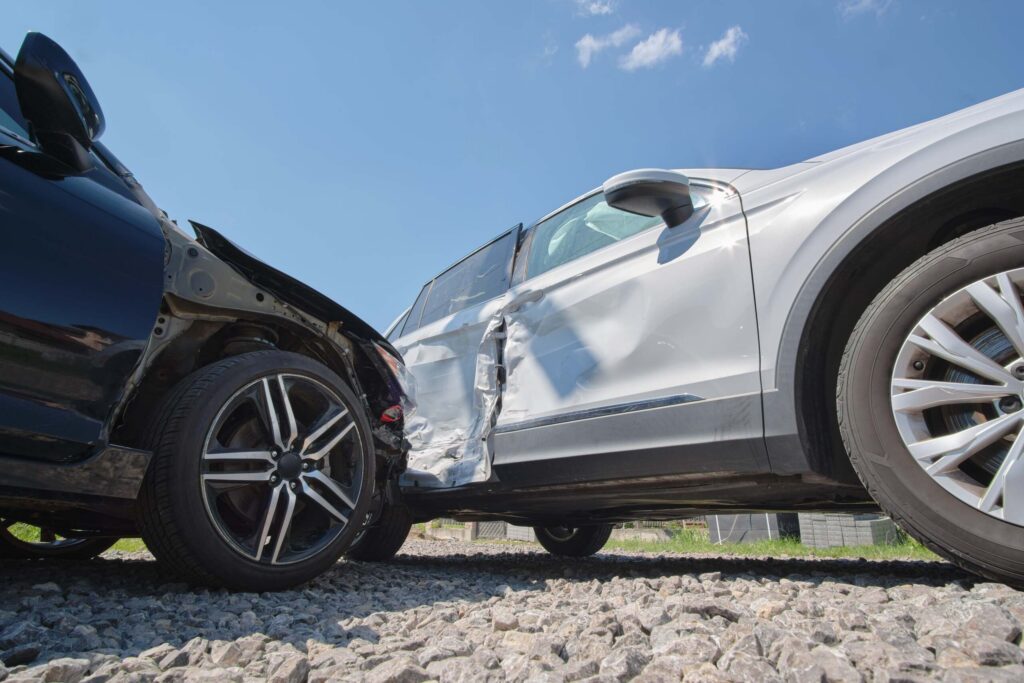
The location of dents and impact points tells a story. Accident reconstruction professionals use physics and measurements to analyze speed and angles.
Traffic Citations and Violations
A citation does not automatically assign full blame, but it influences fault discussions.
Can I Still Recover Damages If I Was Breaking a Traffic Law?
Many drivers worry that any violation blocks recovery. Texas law does not work that way.
Minor Violations Don’t Automatically Make You Liable
Driving slightly above the speed limit or failing to signal does not automatically make you primarily responsible. Courts examine whether the violation directly caused the crash.
How Traffic Citations Affect Fault Determination
A citation serves as evidence, not a final decision. You can challenge it or present additional context.
Establishing the Other Driver’s Greater Responsibility
Even if you broke a minor rule, the other driver’s reckless behavior may outweigh your mistake. A thorough review of evidence often reveals who played the larger role.
How Is My Percentage of Fault Calculated?
Fault percentages result from negotiations or jury decisions.
The Role of Evidence in Fault Allocation
Photos, witness statements, and medical records shape fault discussions. Strong documentation helps lower your assigned percentage.
Jury Determination in Trial Cases
If a case reaches trial, jurors listen to testimony and review evidence. They assign percentages based on what they believe the facts show.
Insurance Negotiation and Fault Assignment
Most cases settle through negotiation. Insurance companies propose percentages, and attorneys respond with counterarguments supported by evidence.
Challenging Unfair Fault Percentages
When insurers exaggerate your responsibility, a lawyer can present additional proof, question assumptions, and dispute flawed conclusions.
What Should I Avoid Saying After an Accident?
The minutes after a crash often feel tense and emotional. You may feel shaken after a collision on a busy road like Cooper Street, and your first instinct might be to apologize or explain what happened.
However, your words can affect how insurance companies evaluate fault and damages. Choosing your words carefully protects your claim.
Never Admit Fault at the Scene
Avoid statements like “This was my fault,” “I didn’t see you,” or “I’m so sorry.” Even a polite apology may sound like an admission of responsibility later. You likely don’t have all the facts at the scene.
Let investigators review the evidence before anyone assigns blame.
Be Careful with Insurance Company Statements
Provide basic information, but avoid detailed recorded statements without legal guidance.
Avoid Discussing the Accident on Social Media
Posts about the crash or your injuries may appear in claim reviews. Insurers often monitor social media accounts.
Don’t Minimize Your Injuries
Adrenaline can mask pain. Seek medical care promptly, even if you feel fine at first. Don’t say you feel fine after a crash, as the insurance company could use that against you.
How Our Firm Can Help
Branch & Dhillon represents Arlington drivers who share some fault but still seek financial recovery. We understand how Texas law applies to shared responsibility cases.
Investigating Your Accident Thoroughly
We review police reports, gather witness statements, and collect photos or video footage. A detailed investigation strengthens your position.
Gathering Evidence to Minimize Your Fault
Our team works with medical providers and reconstruction professionals when needed. Strong evidence can reduce inflated fault claims.
Negotiating with Insurance Companies on Your Behalf
We handle communications with adjusters and push back against exaggerated blame. Our goal involves presenting clear evidence that supports your claim.
Challenging Unfair Fault Determinations
When insurers assign unfair percentages, we challenge those findings with documented proof and legal arguments.
Taking Your Case to Trial if Necessary
If an insurance company refuses to offer a reasonable resolution, we prepare the case for court and present evidence before a jury.
FAQs About Partial Fault and Car Accident Claims
Yes. The other driver’s opinion does not control the outcome. Evidence, witness statements, and traffic laws determine fault.
Shared fault may apply. A jury or insurer may assign some percentage to you for texting, while placing greater responsibility on the driver who ran the red light. As long as your fault remains at 50% or less, you may still pursue recovery.
Texas generally allows two years from the date of the crash to file a personal injury lawsuit. Missing that deadline usually prevents recovery through the court system.
Insurance companies set their own rate policies. A partial fault finding may affect premiums, but outcomes vary depending on your driving record and insurer guidelines.
Yes. Insurers sometimes adjust fault percentages after reviewing new evidence. Legal representation helps monitor those changes and challenge unfair revisions.
Let Our Experienced Car Accident Lawyers in Texas Help
Time matters after a crash. Evidence fades, witnesses forget details, and insurance companies begin building their defense quickly. Acting early protects your position.
Branch & Dhillon stands ready to review your case, explain your options, and pursue financial recovery under Texas law.
We treat every client with respect and personal attention. If you or a loved one suffered injuries in Arlington and share some responsibility, contact Branch & Dhillon for a free consultation.