

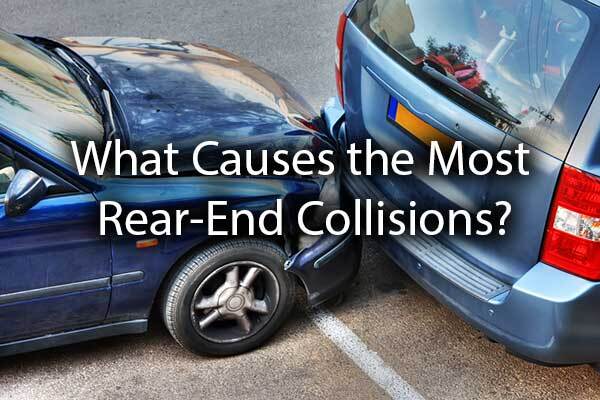
Rear-end collisions are startlingly common on Texas roads, often happening in a split second with little to no warning. While they can range from minor fender-benders to serious, life-altering crashes, the factors leading to them are often quite similar. These incidents are rarely simple “accidents” but are typically the result of a specific action or failure to act by a driver—situations where a car accident lawyer can help injured individuals understand their options.
Key Takeaways about What Causes Rear-End Collisions
- Distracted driving, including texting, eating, or using in-car technology, is a primary factor in many rear-end accidents.
- Aggressive driving behaviors like tailgating and speeding significantly reduce a driver’s reaction time and increase the likelihood of a collision.
- Environmental factors, such as inclement weather and poor road conditions, can contribute to these crashes by affecting a vehicle’s ability to stop.
- While the rear driver is often presumed to be at fault, there are situations where the lead driver’s actions could make them partially or fully responsible.
- Driver impairment from alcohol, drugs, or extreme fatigue slows reflexes and impairs judgment, making it a preventable cause of serious rear-end crashes.
Distracted Driving: The Leading Culprit in Rear-End Collisions
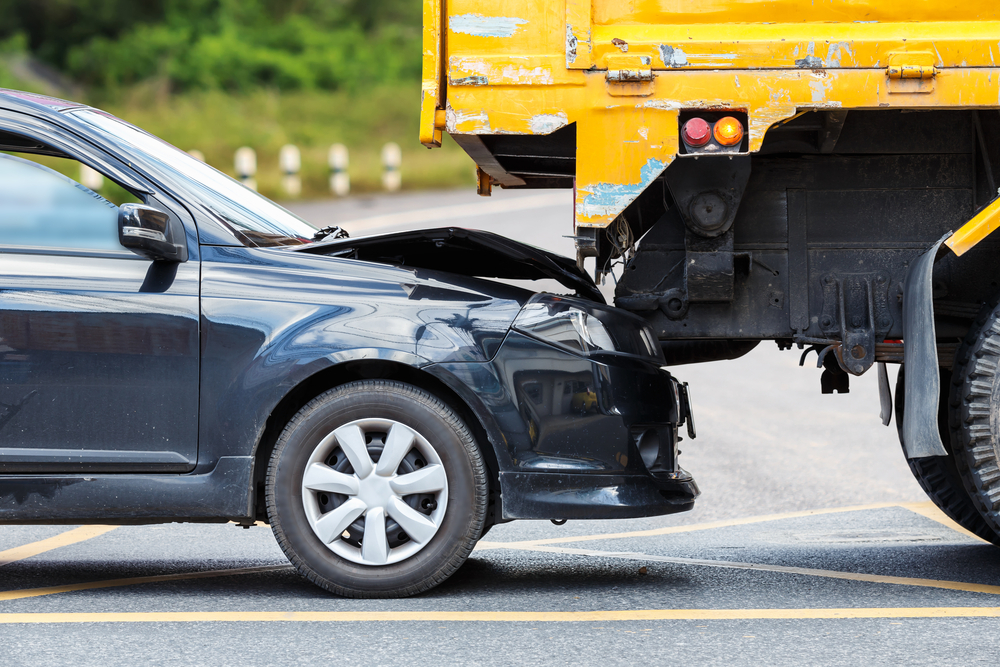
In today’s connected world, the number of potential distractions behind the wheel has grown significantly. Distracted driving is any activity that diverts attention from the primary task of driving. When a driver’s focus is not on the road ahead, they lose precious seconds of reaction time. In traffic, especially on busy Tarrant County highways like I-30 or State Highway 360, those few seconds are often the only thing separating a safe stop from a serious collision.
Thousands of people are killed each year in crashes involving distracted drivers. The common causes of rear-end collisions frequently trace back to one of three types of distraction:
- Visual Distractions: These occur when a driver takes their eyes off the road. Common examples include looking at a GPS, checking text messages, or looking at passengers in the back seat.
- Manual Distractions: This is when a driver takes their hands off the steering wheel. Activities like eating, drinking, adjusting the radio, or reaching for an object that has fallen are all manual distractions.
- Cognitive Distractions: This type of distraction happens when a driver’s mind wanders from the task of driving. Being lost in thought, talking on a hands-free device, or feeling intense emotions can pull mental focus away from the road.
Texting while driving is particularly dangerous because it involves all three types of distraction simultaneously. A driver who is texting is not looking at the road, not holding the wheel properly, and not thinking about their driving. These combined distractions make it one of the most significant factors in rear-end accidents.
Aggressive Driving Behaviors and Their Consequences
A driver’s attitude and choices play a huge role in road safety. Aggressive driving, which includes actions like tailgating and speeding, creates dangerous situations for everyone. These behaviors are not just rude; they are a form of negligence that directly contributes to many of the common causes of rear-end collisions.
The Dangers of Tailgating
Tailgating is the act of following another vehicle too closely. When a driver tailgates, they intentionally reduce the amount of space between their car and the one in front. This leaves them with almost no time to react if the lead driver needs to slow down or stop suddenly. A safe following distance is crucial for avoiding a rear-end crash.
A good rule of thumb is the “three-second rule.” To practice this, watch the vehicle ahead of you pass a stationary object, like a sign or an overpass. Then, begin counting. If you reach that same object before you count to three, you are following too closely. This simple practice provides the necessary buffer to perceive a hazard, react, and bring your vehicle to a safe stop. Tailgating removes this safety margin and turns a routine traffic slowdown into a potential collision.
Speeding and Its Impact on Stopping Distance
Speeding is another major factor in the severity and frequency of rear-end crashes. The faster a vehicle is moving, the longer it takes to stop. This isn’t just a linear increase; the physics of momentum means that even a small increase in speed can dramatically lengthen the total stopping distance.
Several factors influence how long it takes a car to stop completely:
- Perception Time: The time it takes for a driver to see a hazard and recognize the need to stop.
- Reaction Time: The time it takes for the driver to move their foot from the gas to the brake pedal.
- Braking Distance: The distance the vehicle travels after the brakes have been applied.
Speeding affects all of these, but most critically, it drastically increases the braking distance. On a clear day, this is dangerous enough. In stop-and-go traffic near Arlington’s entertainment district, or during rush hour, it makes a rear-end collision almost inevitable if the car ahead brakes suddenly.
How Road and Weather Conditions Contribute to Accidents
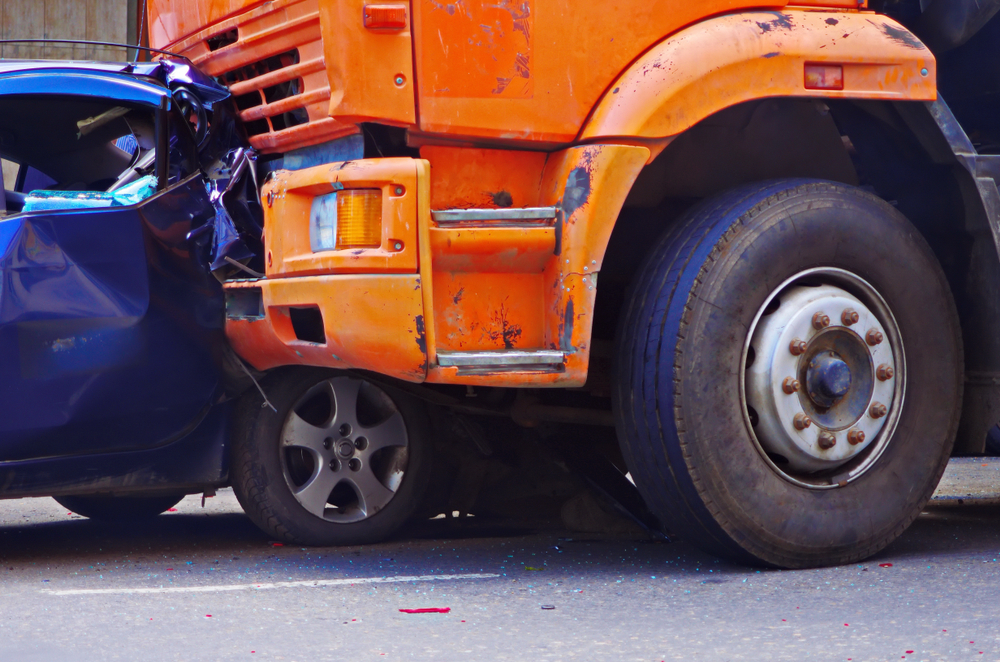
Not all common causes of rear-end collisions are based solely on driver error. Sometimes, the environment itself plays a role. Drivers have a responsibility to adjust their behavior to account for challenging road or weather conditions, and failing to do so can lead to a crash.
Inclement Weather in Tarrant County
Texas weather can be unpredictable. A sunny afternoon can quickly turn into a torrential downpour, making roads slick and dangerous. Rainwater can mix with oil and dust on the road, creating a slippery surface that reduces tire traction. This increases the distance needed to stop and makes it much easier to lose control of a vehicle.
Hydroplaning is another serious risk. This happens when a layer of water builds up between a vehicle’s tires and the road surface, leading to a loss of traction that causes the driver to lose control of steering and braking. In heavy rain, fog, or at night, reduced visibility also makes it harder to see the brake lights of the car ahead, decreasing a driver’s available reaction time. Adjusting speed and increasing following distance are critical for safety in these conditions.
Poor Road Conditions and Maintenance
The physical state of the road can also be a contributing factor. While drivers are expected to be aware of their surroundings, certain hazards can make a rear-end collision more likely.
- Potholes or Debris: A driver might brake suddenly and unexpectedly to avoid a large pothole or debris in the road, catching a following driver by surprise.
- Faded Lane Markings: Unclear lane lines can lead to confusion and sudden lane changes, which can cause another driver to react improperly.
- Malfunctioning Traffic Signals: A broken traffic light can create chaos at an intersection, leading to sudden stops and rear-end crashes.
When poor road maintenance is a factor, it can complicate the question of who is responsible for the accident. A driver must always operate their vehicle with care, but hazardous conditions can create unavoidable dangers.
Driver Impairment: A Preventable Cause of Rear-End Crashes

A driver’s physical and mental state is perhaps the most important element of road safety. When a driver is impaired by alcohol, drugs, or even simple fatigue, their ability to operate a vehicle safely is severely compromised. Impairment is one of the most reckless and preventable of the common causes of rear-end collisions.
Drunk and Drugged Driving
Driving while intoxicated (DWI) is a serious crime in Texas for a reason. Under the Texas Penal Code, operating a motor vehicle in a public place while intoxicated is illegal. Alcohol and many drugs, both illicit and prescription, have a profound effect on the central nervous system.
These substances can:
- Slow a driver’s reaction time.
- Impair judgment and decision-making.
- Reduce coordination and motor skills.
- Blur vision.
An impaired driver may fail to notice that the traffic ahead has stopped or slowed down until it is far too late to brake effectively. Their delayed reactions make them a significant danger to every other person on the road.
The Hidden Risk of Drowsy Driving
Driving while overly tired can be just as dangerous as driving drunk. The NHTSA estimates that drowsy driving leads to thousands of crashes each year because fatigue affects the body in similar ways to alcohol. A drowsy driver experiences slowed reaction times, reduced awareness of their surroundings, and impaired judgment.
In extreme cases, a driver can experience “microsleeps,” which are brief episodes of sleep lasting just a few seconds. At highway speeds, a car can travel the length of a football field during a four- or five-second microsleep. This is more than enough time for a driver to crash into the back of a stopped or slowing vehicle without ever even hitting the brakes.
Understanding Fault in a Rear-End Collision
In most rear-end collisions, there is a general assumption that the driver of the rear vehicle is at fault. The reasoning is that every driver is responsible for maintaining a safe following distance and keeping their attention on the road, which should allow them enough time to stop. However, this is not always the case. There are situations where the lead driver may be partially or even fully responsible for the crash.
This is where the legal concept of negligence comes into play. In simple terms, negligence means that someone had a duty to act with reasonable care, they failed to do so, and their failure caused injury or damage to another person. While the rear driver is often found to have acted negligently, there are exceptions.
Here are a few scenarios where the lead driver might be found at fault:
- Sudden Reversal: If the lead driver unexpectedly puts their car in reverse and backs into the car behind them.
- Broken Brake Lights: If the lead driver’s brake lights were not working, the following driver would have no visual warning that they were slowing down or stopping.
- Unsafe Lane Change: If a driver cuts in front of another car abruptly and then immediately hits their brakes, not leaving the other driver enough time to react.
- Hazardous Stop: If the lead driver stops in the middle of a travel lane for no apparent reason, such as to confront another driver in a road rage incident.
Determining fault requires a careful investigation of all the facts. Evidence like photos of the scene, witness statements, and police reports are all important in building a clear picture of how the collision happened and who was truly responsible.
Rear-End Collision FAQs
Here are some answers to other questions you may have about the common causes of rear-end collisions and what happens after this car accident occurs.
The most frequently reported injury is “whiplash,” which is a soft tissue injury to the neck. It occurs when the head is suddenly and forcefully thrown backward and then forward, straining the muscles and ligaments. Other common injuries include back sprains, herniated discs, and concussions, even in what appear to be low-speed impacts.
Yes, a sudden mechanical failure can lead to a rear-end collision. If a driver’s brakes fail without warning, they may not be able to stop in time. In such cases, the responsibility might lie with the vehicle’s manufacturer if there was a design defect, or with a mechanic who performed faulty repairs. Proving this, however, requires a detailed investigation into the vehicle’s maintenance history.
Even low-speed collisions can cause significant vehicle damage and serious physical injuries. Modern cars are designed to absorb impact, but the force of a crash still transfers to the occupants. Injuries like whiplash can occur in collisions at speeds as low as 5-10 miles per hour, and symptoms may not appear for days or even weeks.
In Texas, a system called “proportionate responsibility” is used. This means that if you are found to be partially at fault for the accident, your ability to recover compensation may be reduced by your percentage of fault. For example, if your brake lights were out, you could be found partially responsible. You can still recover damages as long as you are not found to be 51% or more at fault for the incident.
Let a Tarrant County Car Accident Attorney Stand with You

Dealing with the consequences of a rear-end collision can be a trying experience. Between medical appointments, car repairs, and calls from insurance adjusters, it is easy to feel lost. You need time to focus on your physical and emotional recovery without the added stress of a legal fight. The dedicated personal injury attorneys at Branch & Dhillon, P.C. are here to lift that burden from your shoulders.
We focus our practice on helping people who have been injured, and we understand what you are going through. Our team will handle the legal details, from investigating the crash to communicating with the insurance companies on your behalf. We are committed to being your advocate and working to secure the financial compensation you need to move forward.
Contact Branch & Dhillon, P.C. today at (817) 533-3430 or through our online form for a free, no-obligation consultation to discuss your case.