

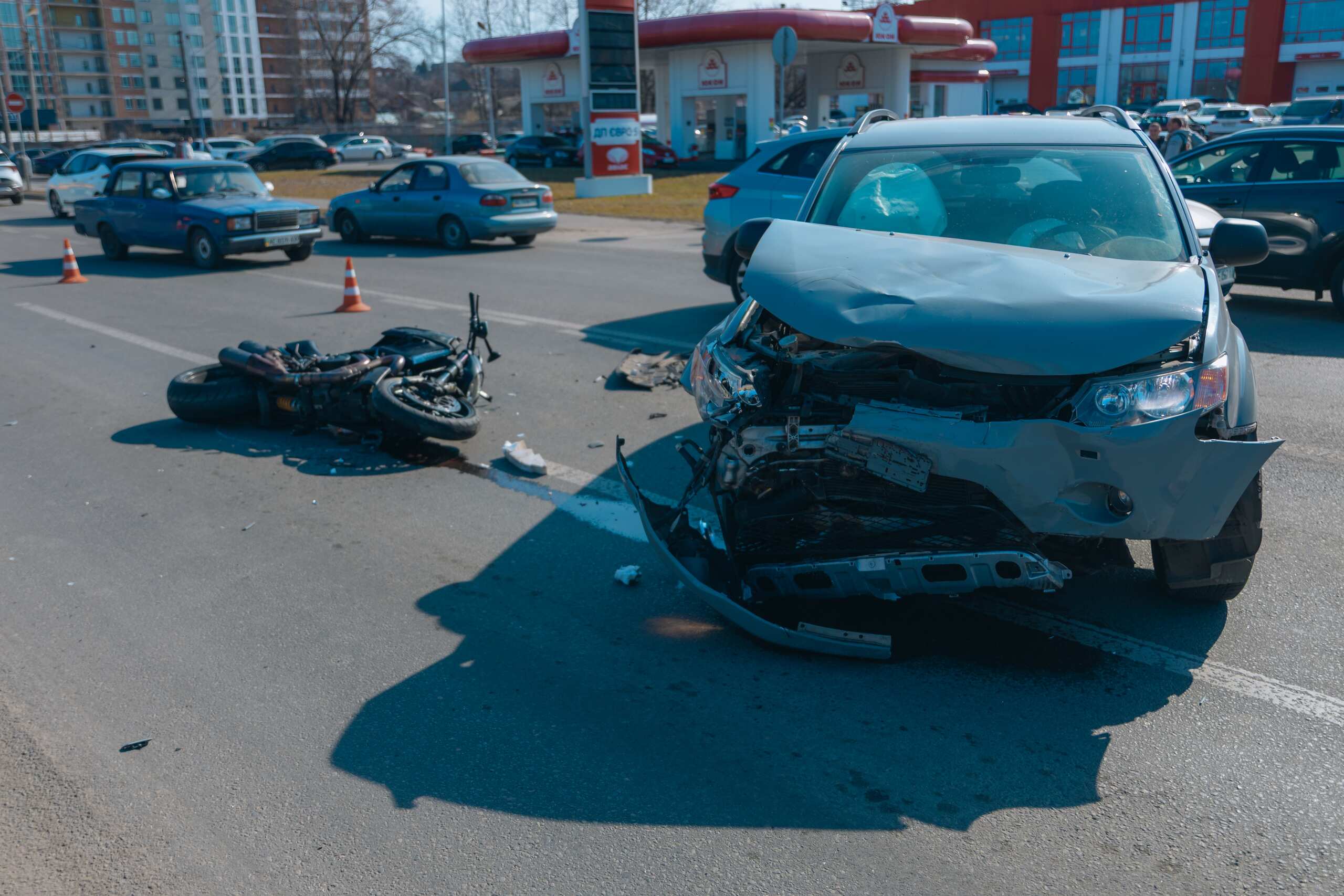
Getting hurt in a crash that someone else caused brings shock, anger, and worry all at once. In Arlington, TX, families deal with sudden medical visits, missed work, and unanswered questions after a collision. Different types of car accidents affect people in different ways, but every crash leaves someone trying to make sense of what happened and what comes next.
If someone caused a crash the hurt you or a close family member, legal guidance helps place responsibility where it belongs and pushes insurance companies or careless drivers to answer for the harm they caused. A Texas car accident lawyer can review what happened and discuss options during a free consultation.
Key Takeaways: Types of Auto Accidents in TX
- Different crashes create different injury patterns, evidence needs, and insurance issues.
- Texas fault rules shape how responsibility and damages get evaluated after a wreck.
- Location, traffic flow, and weather often explain why certain crashes happen in Arlington.
- Medical care and documentation support injury claims from the very beginning.
- Legal representation helps push back when insurers or at-fault drivers refuse accountability.
What Are the Most Common Types of Car Accidents in Texas?
Texas roads see heavy traffic, long commutes, and a mix of local and commercial drivers. Certain crash types appear again and again because of traffic patterns, driver behavior, and road design.
Rear-End Collisions
Rear-end crashes happen when one driver follows too closely or looks away for a moment. Sudden stops along Interstate 20 near Arlington often lead to these wrecks. Neck and back injuries show up frequently, sometimes sending people to Medical City Arlington for imaging and treatment.
Insurance companies often assume the rear driver caused the crash, though road hazards or sudden lane changes sometimes add complications.
Head-On Collisions
Head-on crashes rank among the most dangerous. Wrong-way driving, unsafe passing, or drifting across the center line often cause these collisions.
Vehicles meet with force from opposite directions, leading to severe injuries that require emergency care at places like Texas Health Arlington Memorial Hospital.
Investigations focus on speed, lane markings, and driver impairment.
Side-Impact Crashes (T-Bone Accidents)
Side-impact crashes occur when one vehicle strikes another broadside, often at intersections. Drivers turning left on South Cooper Street sometimes misjudge oncoming traffic.
Limited protection along vehicle sides raises the risk of serious injuries to occupants seated near the impact point.
Sideswipe Accidents
Sideswipe crashes usually happen during lane changes. Congested stretches near AT&T Stadium see drivers merging too quickly or ignoring blind spots.
Damage might look minor at first, yet loss of control can lead to secondary crashes or roadway departures.
Single-Vehicle Accidents
A single-vehicle crash might involve a tree, guardrail, or fixed object. Road defects, debris, or sudden evasive maneuvers often play a role.
Liability sometimes shifts toward a government entity or contractor responsible for road maintenance.
Multi-Vehicle Pileups
Chain crashes involving several vehicles often occur in dense traffic or poor visibility. One mistake ripples outward, creating disputes over who started the sequence.
Each driver’s actions get examined closely to sort out responsibility.
How Do Intersection Accidents Happen?
Intersections combine cross traffic, turning vehicles, and pedestrians. Mistakes multiply when drivers rush or ignore signals.
Failure to Yield Right of Way
Texas traffic laws assign the right of way to keep traffic moving safely. Drivers who ignore yield signs or misjudge gaps cause many intersection crashes, especially near Collins Street during busy hours.
Running Red Lights and Stop Signs
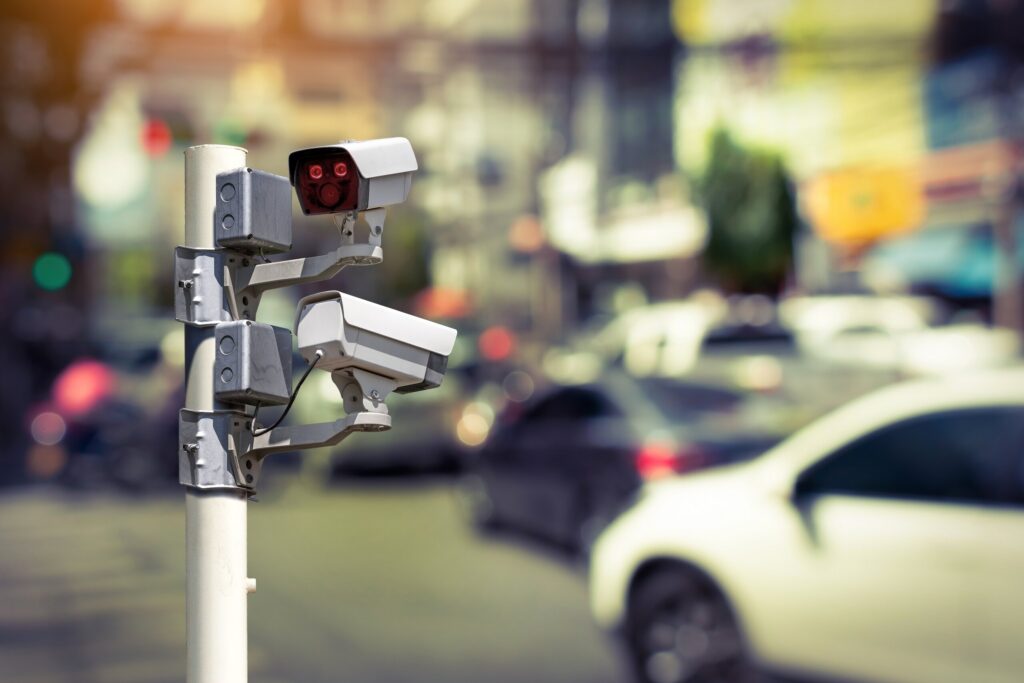
Some drivers push through yellow lights or roll past stop signs. That choice places crossing drivers and pedestrians at risk. Red-light camera footage and witness statements often explain how these crashes unfold.
Improper Left Turns
Left turns demand patience and clear judgment. Drivers turning across traffic without enough space cause many serious wrecks. Impact angles often point directly to the turning vehicle’s decision.
Distracted Driving at Intersections
Phones, dashboards, and conversations pull attention away at the worst time. A distracted driver might miss a signal change or a pedestrian stepping into the crosswalk.
What Causes Highway and Freeway Accidents?
Highways bring higher speeds and tighter margins for error. One poor choice escalates quickly.
High-Speed Collisions
Speed reduces reaction time and increases stopping distance. On State Highway 360, speeding drivers often lose control or strike slower traffic ahead. Injury severity rises sharply as speed climbs.
Merge Accidents
Merging requires timing and awareness. Drivers who force their way into traffic or fail to adjust speed cause sideswipes and rear-end crashes.
Lane Change Accidents
Frequent lane changes in heavy traffic create confusion. Failure to signal or check mirrors often leads to collisions that push vehicles into adjacent lanes.
Truck Accidents on Texas Highways
Commercial trucks require more space to stop and turn. Drivers who cut in front of large trucks place themselves in danger. Truck crashes often involve federal safety rules, driver logs, and company policies.
Understanding common mechanical problems that lead to vehicle failure is a critical part of investigating an Arlington car accident to determine if a manufacturer or maintenance provider is liable for your injuries.
What Are Parking Lot Accidents and Who Is Liable?
Parking lots look slow-paced, yet distractions and blind spots cause many injuries.
Low-Speed Collisions
Drivers backing out or circling for spots often focus on empty spaces instead of moving vehicles. Damage might seem minor, but whiplash and joint injuries still occur.
Pedestrian Accidents in Parking Lots
Pedestrians walking toward stores or cars face risk from drivers scanning for parking. Grocery store lots near Parks Mall at Arlington see frequent foot traffic and limited visibility.
Backing Accidents
Rearview cameras help, yet drivers still miss approaching cars or people. Liability usually falls on the driver reversing without a clear path.
Texas Liability Rules for Private Property Accidents
Texas negligence rules apply even on private property. Property owners also share responsibility when poor design or maintenance contributes to crashes.
How Does Texas Address Rollover Accidents?
Rollovers often stem from a mix of vehicle design, speed, and road conditions.
Vehicle Defects and Rollovers
Defective tires, steering systems, or roof structures increase rollover risk. Product liability claims examine manufacturing choices and safety testing.
Driver Error in Rollover Crashes
Sharp turns, speeding, or overcorrection often trigger rollovers. Crash reconstruction helps show how driver behavior led to loss of control.
SUV and Truck Rollover Risks
Higher centers of gravity raise rollover potential. SUVs and pickup trucks tip more easily during sudden maneuvers.
What Should You Know About Hit-and-Run Accidents in Texas?
Some drivers flee instead of stopping to help or exchange information.
Criminal vs. Civil Consequences
Leaving the scene leads to criminal charges, while injured parties may also pursue civil claims for medical costs and lost income.
Uninsured Motorist Coverage
Texas drivers often rely on uninsured motorist coverage when the at-fault driver disappears. This coverage steps in to address medical bills and other losses.
Steps to Take After a Hit-and-Run
Police reports, witness accounts, and nearby surveillance footage support investigations. Prompt medical care at facilities like Arlington Memorial Urgent Care also documents injuries.
Who Is at Fault in Chain-Reaction Accidents?
Multiple impacts raise questions about shared responsibility.
Determining Multiple Parties’ Liability
Investigators look at following distance, speed, and reaction times. One driver might start the sequence, while others add to the damage.
Texas Modified Comparative Negligence Rule
Texas uses a modified comparative negligence system. A person who bears more than half the blame cannot recover damages, while lesser fault reduces recovery proportionally.
Insurance Claims in Multi-Car Accidents
Each insurer often points fingers elsewhere. Clear evidence helps cut through disputes and assign fault accurately.
How Does Weather Contribute to Car Accidents in Texas?
Weather changes road conditions quickly, especially during storms.
Rain and Wet Road Conditions
Rain creates slick surfaces and standing water. Drivers who fail to slow down during storms on Abram Street often lose control.
Fog and Reduced Visibility
Fog limits sight distance. Drivers must adjust speed and spacing to account for reduced visibility.
Texas Driver’s Duty of Care in Adverse Weather
Texas law expects drivers to adjust behavior based on conditions. Speed limits represent maximums, not safe speeds during storms.
What Are the Legal Implications of Distracted Driving Accidents?
Distraction plays a growing role in crashes statewide.
Texas Texting and Driving Laws
Texas bans texting while driving in many situations. Violations support negligence claims when distractions cause crashes.
Other Forms of Distraction
Eating, adjusting controls, or talking to passengers also divert attention. Phone records and witness statements often reveal these behaviors.
Proving Distraction in Your Case
Evidence such as timestamps, dashcam footage, and eyewitness accounts helps show distraction at the moment of impact.
How Can a Personal Injury Lawyer Help After Any Type of Car Accident?
After a car accident, the legal side of the situation often starts moving before you feel ready. Insurance companies begin their review right away, evidence can disappear, and medical decisions stack up fast.
A personal injury lawyer steps in to protect your interests, organize the details, and push responsibility toward the party who caused the harm.
Investigation and Evidence Gathering
A lawyer starts by building a clear picture of what happened. That work often includes:
- Police reports and crash records: These documents explain where the crash occurred, who was involved, and what officers observed at the scene.
- Medical records: Treatment notes connect your injuries directly to the collision and show how care progressed over time.
- Photos and video: Images of vehicle damage, road conditions, and traffic signals help explain fault.
- Witness statements: Neutral accounts from people who saw the crash often confirm how events unfolded.
By collecting this information early, a lawyer preserves proof that insurance companies might otherwise question or minimize.
Negotiating with Insurance Companies
Insurance adjusters aim to limit payouts. A lawyer handles all communication so you don’t have to respond to recorded statements or settlement offers without guidance.
Through documentation and clear timelines, legal representation pushes insurers to address medical costs, time missed from work, and other losses tied to the crash.
Filing Lawsuits When Necessary
Sometimes, insurers or at-fault drivers refuse to accept responsibility. When that happens, a lawyer prepares and files a lawsuit within Texas deadlines.
Court filings, discovery requests, and motion practice create pressure for accountability and open the door to resolution through the legal system.
Maximizing Your Compensation
A personal injury lawyer evaluates how the accident affected your daily life and future plans. That assessment often includes current medical bills, expected follow-up care, reduced income, and long-term limitations.
With that information, the lawyer pursues financial recovery that reflects documented losses rather than guesswork or quick estimates.
How Our Firm Can Help
Branch & Dhillon represents people hurt in car accidents across Arlington and the surrounding area. Our team listens, investigates, and builds claims designed to hold careless drivers and insurers accountable.
We guide clients through insurance paperwork, medical documentation, and legal deadlines while keeping communication clear and direct.
Families dealing with injuries or loss receive support aimed at restoring stability and securing financial recovery that reflects real losses.
Frequently Asked Questions About Car Accidents in TX
Texas law generally allows two years from the crash date to file a personal injury lawsuit. Missing that deadline often ends the right to pursue damages.
Texas comparative negligence rules reduce recovery based on your share of fault. A person carrying 50 percent or less fault may still recover damages.
Uninsured motorist coverage often fills the gap when the at-fault driver lacks insurance. A lawyer can review available policies and options.
Damages may cover medical expenses, lost income, reduced earning ability, property damage, and pain-related losses tied to the injuries.
Even minor crashes can involve hidden injuries or insurance disputes. Legal advice helps protect your interests and clarify options.
Let Our Experienced Texas Car Accident Attorneys Help
Car accident cases move quickly, and evidence fades with time. Branch & Dhillon focuses on prompt action, detailed investigation, and steady communication with clients.
Our firm works to hold insurers and negligent drivers responsible for the harm they caused. Reach out to Branch & Dhillon for a free consultation and learn how our team can help you move forward.