

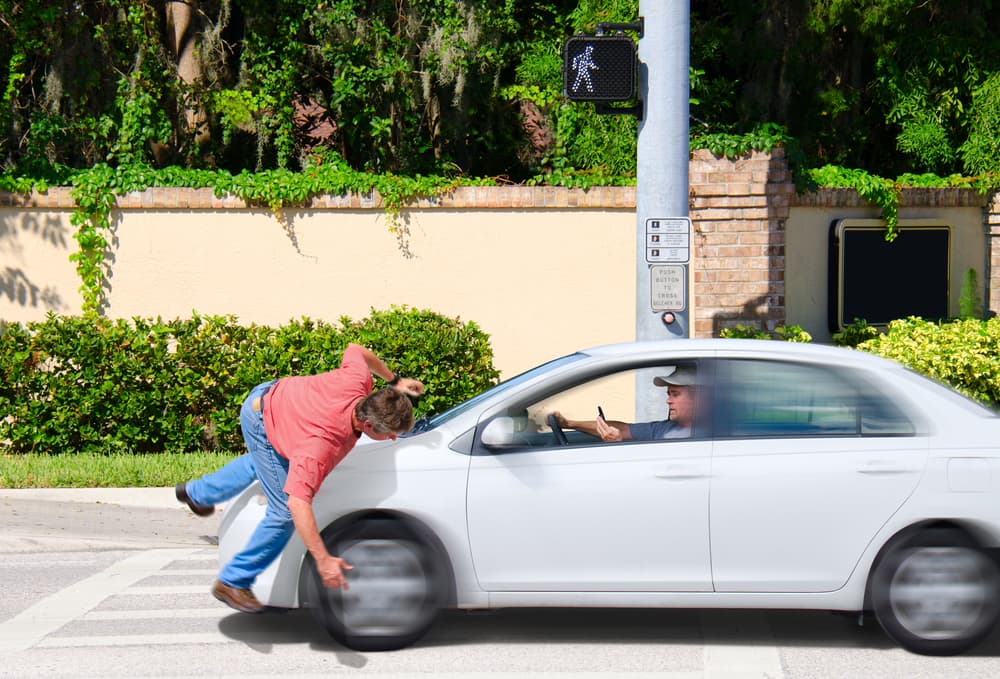
If a driver hit you while you were walking, cycling, or standing on a roadway, sidewalk, crosswalk, or parking lot, you can sue for compensation when their negligence caused your injuries.
Texas law treats pedestrian accidents as personal injury claims where injured parties pursue damages from at-fault drivers for medical expenses, lost wages, pain and suffering, and other losses. The driver’s insurance typically pays these claims, though lawsuits become necessary when insurance companies dispute fault, deny coverage, or offer inadequate settlements.
At Branch & Dhillon, P.C., our pedestrian accident attorneys represent injured victims throughout Arlington, Tarrant County, and the Dallas-Fort Worth metroplex. Contact us for a free consultation.
Key Takeaways for Pedestrian Accident Lawsuits in Texas
- Texas negligence law allows pedestrians to sue drivers who caused injuries through failure to yield, distracted driving, speeding, or other violations
- Pedestrians can recover compensation even when crossing outside crosswalks, though Texas comparative negligence rules reduce recovery proportionally when pedestrians share fault
- Recoverable damages include medical expenses, lost wages, pain and suffering, permanent impairment, and in fatal cases wrongful death compensation for surviving family members
- Punitive damages may be available in limited circumstances when drivers acted with gross negligence, malice, or were intoxicated
- Texas’s two-year statute of limitations requires filing lawsuits within two years of the accident date, making prompt legal consultation critical
When Drivers Are Liable for Hitting Pedestrians
Drivers owe legal duties to pedestrians. When drivers breach these duties through negligence and cause injuries, liability attaches, and pedestrians can pursue compensation:
- Failure to yield right-of-way in crosswalks: Texas law requires drivers to yield to pedestrians in crosswalks, whether marked or unmarked, with unmarked crosswalks existing at any intersection where sidewalks meet, even without painted lines.
- Sidewalk and parking lot accidents: Drivers entering or exiting driveways, parking lots, or alleys must yield to pedestrians on sidewalks, and parking lot drivers must watch for pedestrians walking to and from vehicles or crossing parking aisles.
- Distracted, speeding, or impaired driving: Drivers who hit pedestrians while texting, speeding, or driving under the influence of alcohol or drugs face clear liability, with these violations demonstrating negligence per se through traffic law violations.
- Hit-and-run accidents: Texas law requires drivers involved in accidents causing injury to stop immediately, render reasonable assistance, and provide identification and insurance information, with fleeing drivers facing both criminal charges and civil liability.
Your attorney can help determine liability and build a case showing why the driver is responsible for the accident and your damages.
What If You Weren’t in a Crosswalk?
Pedestrians don’t automatically lose legal rights by crossing outside crosswalks, though liability becomes more complex. Texas law requires pedestrians crossing roadways outside crosswalks to yield right-of-way to vehicles. However, this doesn’t give drivers a free license to hit pedestrians.
Drivers must exercise reasonable care even when pedestrians violate traffic laws. If a driver sees a pedestrian crossing mid-block and has the opportunity to slow or stop but doesn’t, the driver may share liability despite the pedestrian’s violation.
Texas follows modified comparative negligence. When both parties share fault, courts assign fault percentages to each party. However, pedestrians found 51 percent or more at fault recover nothing.
Evidence becomes critical in these cases. Was the pedestrian visible? How much time did the driver have to react? Was the driver speeding, distracted, or impaired? These factors affect comparative fault determinations.
Branch & Dhillon, P.C. investigates thoroughly to establish that even if you weren’t in a crosswalk, the driver’s negligence caused or substantially contributed to the crash, to preserve your right to compensation.
Damages You Can Recover After Being Hit by a Car

Texas law allows pedestrian accident victims to recover compensation for economic and non-economic damages caused by driver negligence.
Medical Expenses
Medical bills form the foundation of pedestrian accident claims. Pedestrians struck by vehicles often suffer severe injuries, including traumatic brain injuries from head impacts with vehicles or pavement, spinal cord injuries and paralysis, multiple fractures throughout the body, internal organ damage, severe road rash and soft tissue injuries, and lacerations requiring stitches or surgical repair.
Recoverable medical expenses include:
- Emergency transport and trauma care
- Hospitalization and surgery
- Diagnostic imaging, including X-rays, CT scans, and MRIs
- Prescription medications
- Physical therapy and rehabilitation
- Assistive devices, including wheelchairs, walkers, and braces
Future medical costs for ongoing treatment and care needs are also recoverable.
Lost Wages and Earning Capacity
Serious pedestrian injuries cause time away from work during hospitalization, recovery, and rehabilitation. Lost wages compensate for the income lost during this period. When injuries create permanent disabilities preventing return to previous employment or requiring reduced hours and modified duties, lost earning capacity damages address these long-term financial impacts.
When warranted, vocational experts can calculate lost earning capacity based on past earnings, career trajectory, remaining work-life expectancy, and how injuries limit employment options. These calculations project income losses over decades for catastrophic injuries.
Pain and Suffering
Non-economic damages compensate for physical pain, emotional distress, mental anguish, loss of enjoyment of life, and diminished quality of life resulting from injuries. Being struck by a vehicle creates not just physical trauma but psychological impacts, including anxiety, depression, post-traumatic stress, and fear of crossing streets or walking near traffic.
Pain and suffering damages acknowledge that injuries affect more than financial ledgers—they change how you experience daily life, relationships, and activities you previously enjoyed.
Permanent Impairment and Disfigurement
Pedestrian accidents frequently cause permanent injuries. Traumatic brain injuries may create lasting cognitive deficits. Spinal cord injuries produce permanent paralysis. Amputations and severe fractures create permanent functional limitations. Scarring and disfigurement from road rash and lacerations affect appearance and self-image.
Permanent impairment damages compensate for the lifelong functional limitations and reduced quality of life these injuries create.
Wrongful Death Damages
When pedestrian accidents prove fatal, surviving family members can file wrongful death claims. These claims allow recovery for funeral and burial expenses, loss of the deceased’s financial support and contributions, loss of companionship, care, and guidance, and mental anguish and emotional suffering from the loss.
Surviving spouses, children, and parents of the deceased may file wrongful death claims in Texas.
Punitive Damages in Pedestrian Accident Cases
Texas law allows punitive damages (also called exemplary damages) when defendants acted with gross negligence, malice, or fraud. Punitive damages punish particularly egregious conduct and deter similar behavior. These damages are awarded in limited circumstances and are rare.
Gross negligence involves acts or omissions that create extreme risks, where the actor is aware of the risk but proceeds with conscious indifference. Drunk drivers who strike pedestrians may be considered to have committed gross negligence. Street racing or excessive speeding in pedestrian zones may also support punitive damages.
Malice involves intentional harm or acting with specific intent to cause substantial injury. Running down a pedestrian intentionally might support punitive damages; these cases are also more likely to involve criminal charges.
Punitive damages require clear and convincing evidence—a higher standard than the preponderance standard for compensatory damages. When established, punitive damages can substantially increase total recovery, though Texas caps punitive damages at the greater of twice economic damages plus non-economic damages up to $750,000, or $200,000.
Evidence That Proves Driver Fault
Pedestrian accident claims succeed or fail based on evidence establishing what occurred and who bears fault:
- Police crash reports: Document officer investigations, witness statements, driver and pedestrian accounts, and preliminary fault determinations that provide important starting points for investigations.
- Witness statements: Independent observers who saw the accident provide crucial accounts when drivers dispute fault, with statements secured before memories fade carrying particular weight.
- Surveillance footage: Video from businesses, traffic cameras, and nearby residences often captures pedestrian accidents, requiring immediate preservation letters to prevent automatic deletion.
- Photographs: Scene documentation including crosswalk markings, traffic control devices, sight distance obstructions, and vehicle damage establishes context and supports liability arguments.
- Medical records: Immediate treatment creates records linking injuries to the accident and documenting severity before insurance companies can argue injuries resulted from other causes.
- Accident reconstruction: Expert analysis establishes vehicle speeds, driver reaction times, sight distances, and other technical factors proving fault when liability is disputed.
The type of evidence available and needed for your claim will depend on the specific facts of your case. Your pedestrian accident injury attorney in Texas can handle the investigation and compiling evidence to support your case.
How Long You Have to File a Lawsuit in Texas

With few exceptions, Texas imposes a two-year statute of limitations for most personal injury claims. This deadline begins on the accident date. Missing this deadline bars you from pursuing compensation in court regardless of how clear liability is or how severe your injuries are.
Two years sounds like sufficient time, but pedestrian accident cases require extensive investigation, medical treatment evaluation, expert consultation, and settlement negotiation. Medical treatment for serious injuries continues for months. Prognosis and permanent impairment determinations can’t be made until reaching maximum medical improvement.
Starting early protects your rights. Early attorney involvement means evidence gets preserved before it disappears, witnesses are interviewed while memories remain fresh, insurance companies can’t use delays against you, and your case is investigated and prepared thoroughly before deadlines become concerns.
Legal Representation and Pedestrian Accident Claims
Insurance companies defend pedestrian accident claims aggressively. They know that pedestrians often suffer severe injuries, generating substantial claims, and they deploy strategies to minimize payouts, including disputing liability, arguing comparative fault, questioning the severity of injuries, and offering lowball settlements before the extent of the injury becomes clear.
At Branch & Dhillon, P.C., we represent pedestrian accident survivors throughout Arlington, Tarrant County, and the DFW metroplex. We thoroughly investigate accidents, preserve evidence, counter insurance company defenses, calculate damages, and negotiate from positions of strength. When insurance companies refuse a fair settlement, we prepare cases for trial.
Our contingency fee structure eliminates financial barriers to representation. You pay no fees upfront and nothing unless we recover compensation.
FAQ for Pedestrian Accident Lawsuits in Texas
When drivers dispute fault, evidence determines liability. Police reports, witness statements, surveillance footage, and accident reconstruction establish what actually occurred versus what drivers claim. Drivers may blame pedestrians to avoid liability, but investigation and strong evidence counter these self-serving claims.
Yes, though hit-and-run cases present additional challenges. If police identify the fleeing driver, you pursue claims against them directly. If the driver remains unidentified, uninsured motorist coverage from your own auto insurance policy or household family members’ policies may cover your injuries, treating hit-and-run drivers as uninsured motorists.
Yes, drivers owe the same duty of care to pedestrians on private property, including parking lots, driveways, and shopping centers, as they do on public roads. Property owners may also share liability if poor lighting, missing crosswalk markings, or obstructed sight lines contributed to the accident.
Generally, no. Initial settlement offers typically come before you complete medical treatment, understand the full extent of your injuries, or calculate lost earning capacity and future medical needs. These early offers rarely reflect actual damages, and accepting them releases all future claims, even if complications develop.
Health insurance companies and medical providers may assert subrogation rights or liens against your settlement, seeking reimbursement for amounts they paid for your treatment. These claims are negotiable, and experienced attorneys routinely negotiate lien and subrogation amounts to preserve more settlement proceeds for you.
Getting Compensation After a Dallas-Fort Worth Pedestrian Accident
Being struck by a vehicle changes everything instantly. Texas law provides clear paths to compensation when driver negligence causes these accidents, but insurance companies make exercising these rights difficult through liability disputes, comparative fault arguments, and settlement offers that don’t reflect your damages.
At Branch & Dhillon, P.C., we represent pedestrian accident survivors throughout Arlington, Tarrant County, and the Dallas-Fort Worth area.
Getting hit by a car doesn’t mean accepting less than what the law allows. Contact us today for a free consultation.