

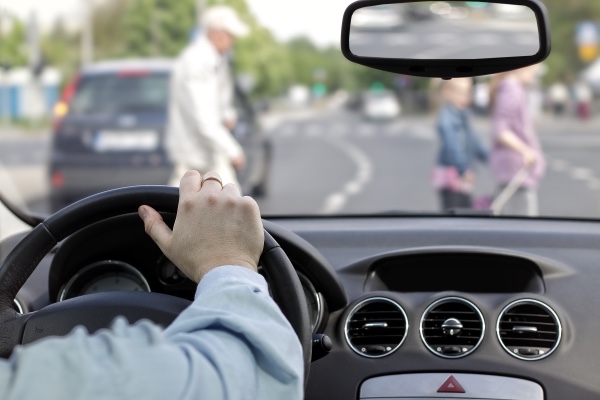
Walking should be a simple, safe way to get around, whether you’re heading to a Texas Rangers game at Globe Life Field or just taking a stroll through your Arlington neighborhood. Unfortunately, a peaceful walk can turn into a life-altering event in seconds.
The primary risk factors for pedestrian accidents are a complex mix of driver decisions, road conditions, and pedestrian awareness. Understanding these dangers is key to promoting safety for everyone on our Tarrant County roads and knowing what to do if an accident occurs, and when it may be time to speak with pedestrian accident attorneys.
Key Takeaways about Risk Factors for Pedestrian Accidents
- Driver behaviors such as distraction, speeding, and impairment are leading contributors to pedestrian collisions.
- Environmental conditions, including the time of day, weather, and poor road design, significantly increase the chances of an accident.
- Pedestrian accidents are more likely to occur at non-intersection locations, especially on roads that lack adequate sidewalks and crosswalks.
- Texas law establishes specific right-of-way rules for both drivers and pedestrians, and understanding these rules is important for determining fault.
- The severity of injuries in a pedestrian accident is often catastrophic, making accountability for negligent drivers a critical component of a person’s recovery.
Understanding the Primary Driver-Related Risk Factors for Pedestrian Accidents

Many pedestrian accidents are not truly “accidents” in the sense that they are random, unavoidable events. More often, they are the direct result of a driver’s choices. This is often referred to in legal terms as negligence.
Negligence is a simple concept: it means a person failed to use reasonable care to avoid harming others. When a driver is negligent, they can be held accountable for the injuries and losses they cause.
Some of the most common forms of driver negligence that create risks for pedestrians include distracted driving, impairment, and aggressive driving.
Distracted Driving
A driver who takes their eyes off the road for even a few seconds is a serious threat. In the time it takes to read a text message, a car can travel the length of a football field. In busy areas of Tarrant County, like near the Arlington Highlands shopping center, a distracted driver can easily fail to see a person crossing the street.
Common driver distractions include:
- Texting or using a smartphone
- Adjusting the GPS or radio
- Eating and drinking
- Talking to passengers
These seemingly small actions can have devastating consequences for an unsuspecting pedestrian. According to the National Highway Traffic Safety Administration (NHTSA), distracted driving claimed 3,275 lives in just one recent year, a figure that includes many vulnerable road users like pedestrians and reflects trends also seen in DFW car accident statistics.
Impaired Driving
Driving under the influence of alcohol or drugs dramatically increases the risk of a pedestrian collision. These substances slow a driver’s reaction time, impair judgment, and can even cause blurred vision. A driver who is impaired may not notice a pedestrian in a crosswalk until it is far too late to stop.
In Texas, it is illegal to operate a motor vehicle while intoxicated. When an impaired driver hits a pedestrian, they are not only breaking the law but also causing immense harm that they can and should be held responsible for.
Speeding and Aggressive Driving
Speed limits exist for a reason. When drivers exceed the speed limit, they have less time to react to unexpected situations, like a person stepping into the road. The consequences of speed are also a matter of physics: the higher the speed at impact, the more severe the injuries will be. A pedestrian hit by a car at 20 mph has a much better chance of survival than one hit at 40 mph.
Aggressive driving behaviors that endanger pedestrians include:
- Following other cars too closely (tailgating)
- Making unsafe lane changes without signaling
- Failing to stop at red lights or stop signs
- Refusing to yield the right-of-way to people in crosswalks
These actions show a disregard for the safety of others and are a significant contributing factor in many pedestrian accidents.
Environmental and Situational Risk Factors
While driver behavior is a major piece of the puzzle, external conditions can also set the stage for a dangerous incident. The environment you are walking in plays a huge role in your safety.
Time of Day and Visibility
It’s no surprise that most pedestrian accidents happen when it is dark. According to the Governors Highway Safety Association (GHSA), over 75% of pedestrian fatalities occur at night. Several factors contribute to this:
- Reduced Visibility: It is simply harder for drivers to see people at night, especially if the pedestrian is wearing dark clothing.
- Poor Lighting: Many local roads and residential streets in the Dallas-Fort Worth area lack sufficient streetlights, creating dark patches where a person could be nearly invisible.
- Driver Fatigue: Drivers are often more tired at the end of the day, which can affect their alertness and reaction times.
Bad weather, like rain or fog, also reduces visibility for everyone, making it even more important for drivers to slow down and pay close attention to their surroundings.
Location and Road Design
Where an accident happens is just as important as when. Unfortunately, many of our roads were designed with only cars in mind, leaving pedestrians with few safe options. Urban sprawl and wide, high-speed roads like Cooper Street in Arlington can be particularly challenging for people on foot.
Dangerous road design features include:
- Lack of Sidewalks: When there are no sidewalks, people are forced to walk on the shoulder of the road or even in the traffic lane itself.
- Long Distances Between Crosswalks: If safe crossing points are too far apart, people may be tempted to cross mid-block, which is statistically more dangerous.
- Poorly Designed Intersections: Intersections with confusing lane configurations or those that allow high-speed turns can be hazardous for pedestrians trying to cross.
Improving infrastructure with features like pedestrian islands, better lighting, and more clearly marked crosswalks is essential for reducing these environmental risk factors for pedestrian accidents.
How Pedestrian Behavior Can Contribute to Accidents
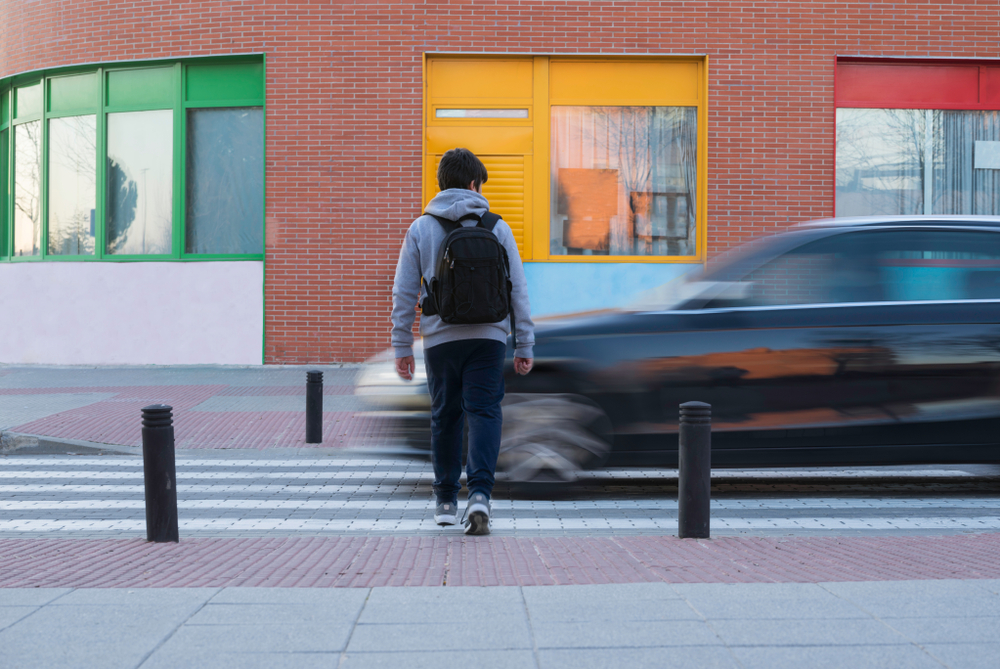
To have a complete picture of safety, it is also important to consider the actions of the pedestrian. This is not about blaming someone who was injured, but about understanding all the elements that can lead to a collision. In Texas, the legal system uses a concept called proportionate responsibility.
This means that if an injured person is found to be partially at fault for their own injuries, their ability to recover compensation may be reduced. However, as long as the pedestrian is 50% or less at fault, they can still hold the more negligent driver accountable.
Pedestrian Distraction
Just as drivers can be distracted by their phones, so can pedestrians. Walking while looking down at a screen or wearing noise-canceling headphones can reduce your awareness of your surroundings. It might prevent you from hearing an approaching car or seeing a vehicle that is not stopping at a crosswalk. Staying alert and aware is a key part of personal safety.
Improper Road Crossing
Crossing the street outside of a designated crosswalk, sometimes called “jaywalking,” can be risky. Drivers are generally more alert and prepared to stop for people at intersections and marked crosswalks. Pedestrians crossing a roadway at any point other than within a marked crosswalk or an unmarked crosswalk at an intersection must yield the right-of-way to all vehicles.
Even so, drivers still have a duty to exercise due care and avoid colliding with any pedestrian. A driver who is speeding or distracted may still be largely at fault, even if the pedestrian was not in a crosswalk.
What to Do After a Pedestrian Accident in Tarrant County
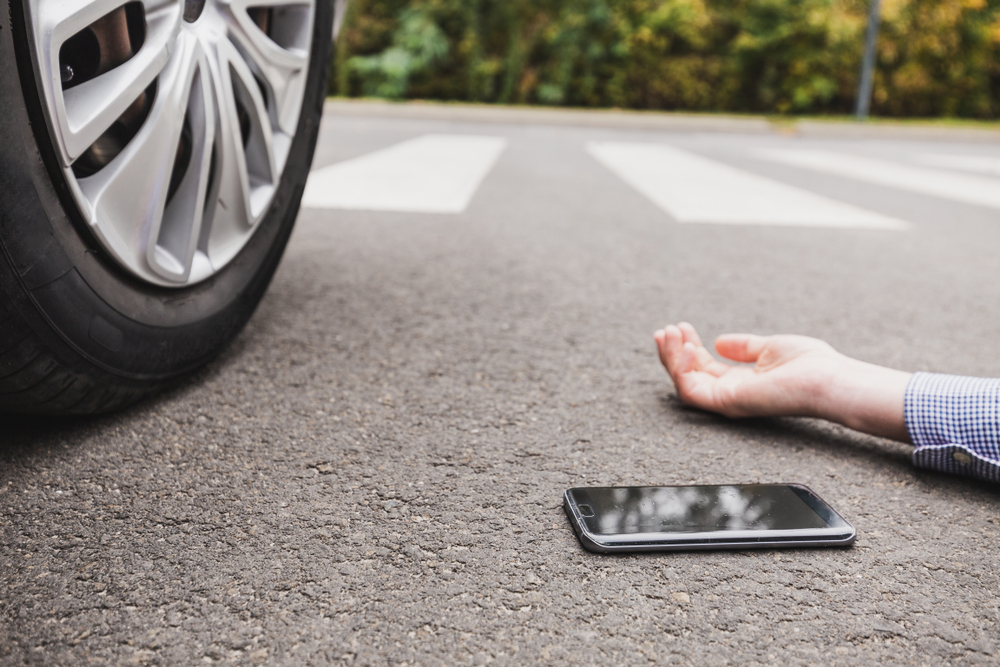
Once you have received emergency medical care, your focus should be on your health and protecting your rights. The steps you take can make a significant difference in your physical and financial recovery.
Document Everything You Can
Your memory of the event is a critical piece of evidence, but memories can fade. As soon as you are able, write down everything you remember about the accident. No detail is too small. In addition, it is wise to start a file to keep track of all accident-related paperwork.
Important documents to gather include:
- A copy of the police report from the responding law enforcement agency.
- The names and contact information of any witnesses who saw what happened.
- All medical bills, receipts for prescriptions, and discharge papers from the hospital or your doctor.
- A written record from your employer showing any time you missed from work and the wages you lost.
Keeping these documents organized will be incredibly helpful as you move forward.
Follow Your Doctor’s Treatment Plan
Your health is the top priority. It is essential to attend all follow-up appointments with your doctors, go to physical therapy sessions, and take all prescribed medications. Following your medical provider’s instructions not only helps your body heal but also creates a clear record of the extent of your injuries and the treatment required. This documentation is crucial for demonstrating the full impact the accident has had on your life.
Be Cautious with Insurance Companies
Shortly after the accident, you will likely receive a call from an insurance adjuster representing the at-fault driver. It is important to remember that the adjuster’s job is to protect their company’s financial interests, which often means paying out as little as possible. They may ask you to give a recorded statement or try to pressure you into accepting a quick, low settlement offer before you know the full extent of your injuries and expenses.
You are not obligated to give a statement, and you should not sign any documents without fully understanding what they mean for your rights.
FAQs: Risk Factors for Pedestrian Accidents
Here are answers to some common questions people have about pedestrian accident risks.
Yes, both children and older adults are considered vulnerable populations. Children may not have a fully developed sense of danger and can act impulsively, such as darting into the street. Older adults may have mobility, vision, or hearing challenges that can make it more difficult to cross roads quickly and safely.
Absolutely. Larger, heavier vehicles like trucks and SUVs are more likely to cause severe or fatal injuries in a collision with a pedestrian. Their higher front-end profile often means the primary point of impact is the person’s torso and head, rather than their legs, leading to more critical harm.
Poorly maintained public property can create serious hazards. Cracked or uneven sidewalks can cause a trip and fall into the street, while large potholes in the road might cause a driver to swerve unexpectedly and hit a pedestrian. In some cases, a government entity could be held responsible for failing to maintain safe conditions.
Yes, there may still be options for financial recovery. The injured pedestrian might be able to file a claim under their own auto insurance policy if they have Uninsured/Underinsured Motorist (UM/UIM) coverage. This coverage is designed to protect you in situations just like this.
The statute of limitations is a legal deadline for filing a lawsuit. In Texas, you generally have two years from the date of the accident to file a personal injury claim. If you miss this deadline, you will likely lose your right to seek compensation through the court system, which makes it important to act promptly.
Let Branch & Dhillon, P.C. Be Your Advocate

Dealing with the physical pain, emotional stress, and financial strain of a pedestrian accident is a difficult journey. You need to be able to focus on healing, not on fighting with insurance companies. At Branch & Dhillon, P.C., our dedicated lawyers focus on personal injury law, and we are passionate about advocating for the rights of injured people in Arlington and throughout Tarrant County.
We understand the challenges you face and are committed to holding negligent parties accountable. We handle the legal complexities of your case so you can concentrate on what matters most: your recovery. Because we work on a contingency fee basis, you will not pay any attorney’s fees unless we win your case. Let us put our experience to work for you. Contact Branch & Dhillon, P.C. today at (817) 533-3430 or through our online form for a free consultation to discuss your case.