


A child sees a backyard swimming pool through a gap in the fence, or spots construction equipment sitting idle at a job site, and curiosity takes over. What looks like an adventure to a young mind can turn into a tragedy in seconds.
Texas law recognizes that property owners bear responsibility for certain hazards that naturally draw children in, even when those children technically shouldn’t be on the property. If your child suffered injuries on someone else’s land in Arlington or Tarrant County, understanding the attractive nuisance doctrine helps determine whether the property owner failed to meet their legal duty.
At Branch & Dhillon, P.C., our premises liability attorneys represent families whose children were hurt by preventable hazards on residential, commercial, and industrial properties throughout the Dallas-Fort Worth metroplex. Contact us for a free consultation. We work on a contingency fee basis, so you pay nothing unless we win.
Key Takeaways for Attractive Nuisance Claims in Texas
- The attractive nuisance doctrine applies to artificial conditions that draw children despite the danger, particularly when children can’t appreciate the risk, and the property owner could have taken reasonable steps to eliminate the hazard or restrict access
- Property owners owe a duty to child trespassers under specific circumstances when they maintain conditions likely to attract children onto their land, creating liability even though the child had no permission to be there
- Common attractive nuisances include unfenced pools, trampolines, construction sites, and abandoned vehicles, each creating distinct injury risks that Texas courts have recognized as triggering heightened landowner duties
- Age and maturity affect whether the attractive nuisance doctrine applies, as older children who can reasonably understand danger may not receive the same legal protection as younger children who lack that capacity
- Texas premises liability claims for child injuries require prompt evidence gathering, including photographs of the hazardous condition, witness statements, and documentation of how the child accessed the property and sustained injuries
What the Attractive Nuisance Doctrine Means in Texas
The attractive nuisance doctrine creates a special legal duty for property owners who maintain artificial conditions that are both dangerous and likely to attract children. Normally, property owners owe limited duties to trespassers. However, Texas courts recognize that children lack the judgment and impulse control to avoid hazards that fascinate them, shifting more responsibility onto landowners.
Courts examine several key factors when determining whether a property owner failed to meet their duty:
- The property owner knew or should have known children would likely trespass in the area where the dangerous condition exists
- The condition poses unreasonable risk of serious injury or death to children who encounter it
- Children because of their age cannot discover or appreciate the danger the condition presents
- The burden of eliminating the danger or adequately protecting children is slight compared to the magnitude of risk
- The property owner failed to exercise reasonable care to eliminate the danger or protect children from harm
Not every dangerous object automatically qualifies. Natural conditions like cliffs, rivers, or trees generally don’t trigger attractive nuisance liability. The doctrine targets artificial conditions, in other words, things property owners created or maintained. Additionally, the doctrine may not apply in cases involving older teens on agricultural land and some utility easements.
Ten Common Attractive Nuisances That Cause Child Injuries
Certain hazards appear repeatedly in Texas premises liability cases involving children. Each example shares common characteristics: they fascinate young minds, pose serious injury risks, and require relatively simple protective measures that many property owners neglect.
Unfenced Swimming Pools
Swimming pools top the list of attractive nuisances in Texas. Drowning remains a leading cause of death for young children, and an accessible pool presents an irresistible draw. A child who wanders through an unlocked gate or climbs over inadequate fencing can drown in minutes.
Many Texas municipalities, including Arlington, require barriers around residential pools. Insurance companies typically demand four-foot fencing with self-closing, self-latching gates before issuing homeowner policies with pool coverage. When property owners skip proper fencing or leave gates propped open, they create substantial liability exposure. Even above-ground pools create liability when ladders remain accessible.
Trampolines Without Enclosures
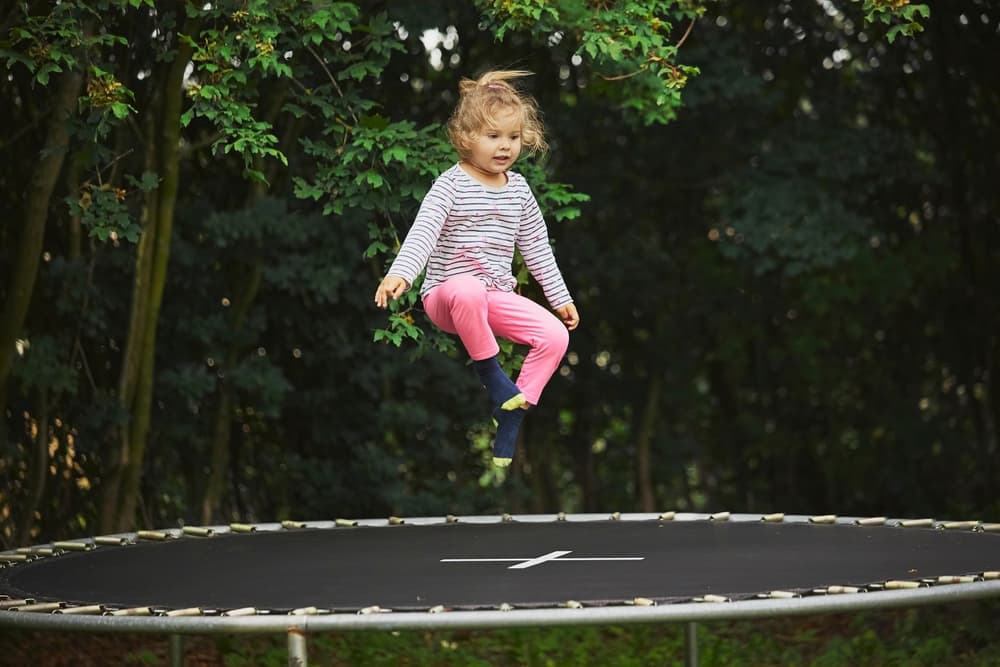
Trampolines generate thousands of injuries annually, from broken bones to spinal cord damage. Children see a trampoline in a neighbor’s yard, and the temptation to jump overwhelms any sense of property boundaries. Trampolines without safety netting, adequate supervision, or secured access create both direct injury risk and attraction liability when neighborhood children sneak onto the property.
Texas courts have found trampolines can constitute attractive nuisances when left accessible and unmonitored. Property owners who place trampolines near property lines without fencing or who fail to secure them when not in use may face liability when children get hurt.
Construction Sites and Open Excavations
Construction sites fascinate children with their heavy equipment, climbing structures, and dirt piles. Scaffolding invites climbing, trenches create fall hazards and cave-in risks, and loose materials pose struck-by dangers. Open excavations present fall risks and entrapment dangers.
Texas premises liability law and local safety rules require contractors and property owners to take reasonable steps to secure construction sites in residential areas. Temporary fencing around active job sites, covering open trenches, and locking equipment when workers leave are standard protective measures. Construction site injury claims require establishing which party controlled the site and proving the injury resulted from the hazardous condition.
Unsecured Heavy Equipment and Machinery
Tractors, forklifts, backhoes, and other heavy equipment look like oversized toys to children. When left accessible with keys in the ignition or easy-to-reach operating controls, they invite experimentation. Children lack the strength, knowledge, and judgment to operate equipment safely, leading to crush injuries, falls, and entrapment accidents.
Texas courts recognize that moving large equipment constantly isn’t practical, but property owners must take reasonable precautions: removing keys, disabling controls, and fencing equipment storage areas. Equipment left running or with keys accessible creates stronger liability.
Abandoned or Accessible Vehicles
Old cars awaiting repair, RVs stored in side yards, and junked vehicles create multiple hazards. Children climb inside to play, getting trapped when doors jam or locks engage. Trunk entrapment poses suffocation risks. Vehicles on blocks create crush hazards if they fall.
Texas property owners must secure abandoned vehicles or remove them from accessible areas. Locking all doors, removing trunks or disabling latches, and fencing storage areas are basic protective steps. When vehicles sit exposed in residential areas where children play, foreseeable trespassing creates potential liability.
Discarded Appliances
Refrigerators, freezers, washing machines, and dryers discarded in yards or alleys create dangerous play spaces. Old refrigerators with latching doors trap children inside, leading to suffocation deaths. Top-loading washers and chest freezers pose similar entrapment risks.
Texas law requires proper disposal of appliances rather than leaving them in accessible areas. Removing doors before disposal eliminates entrapment risk. Wrongful death claims involving appliance entrapment carry particularly strong liability arguments because the danger is well-known and prevention is straightforward.
Unsecured Ladders and Climbing Structures
Ladders leaning against houses, stored in open garages, or left at job sites invite climbing. Children instinctively climb available structures without assessing stability or fall risk. Extension ladders that aren’t properly secured can shift or collapse. Access to roofs via unsecured ladders leads to serious fall injuries.
Property owners should store ladders horizontally or in locked areas when not in use. Contractors must secure ladders at job sites during non-working hours. Falls from significant heights produce severe injuries, like fractures, head trauma, spinal injuries, that generate substantial damages.
Electrical Equipment and Substations
Transformers, electrical boxes, and utility substations generate curiosity despite warning signs. Children don’t fully grasp electrocution risk. Climbing on equipment, inserting objects into openings, or contacting exposed wiring can cause severe burns, cardiac arrest, or death.
Utility companies bear responsibility for securing electrical equipment in residential areas. Locked enclosures, adequate fencing height, and tamper-resistant designs are standard protective measures.
Ponds, Fountains, and Water Features
Decorative ponds, fountains, and retention basins attract children just as pools do. Even shallow water poses drowning risk for young children. Decorative rocks and structures around water features create additional slip and fall hazards.
Property owners should fence water features or install protective barriers that prevent unsupervised child access. Apartment complexes and HOA common areas with water features require particular attention because children from multiple families may encounter them.
Unsecured Tools and Hazardous Materials
Power tools, chemicals, pesticides, and similar materials stored in unlocked sheds, open garages, or accessible job sites create poisoning and injury risks. Children experiment with tools they don’t understand or ingest chemicals they mistake for beverages.
Property owners must secure hazardous materials and tools in locked storage. This applies to residential homeowners, landlords maintaining common areas, and contractors working in residential settings. Claims require showing that the materials were stored negligently, and the child accessed them because of inadequate security.
Who Bears Liability for Attractive Nuisance Injuries
Multiple parties may share responsibility depending on property ownership and control. Potentially liable parties include:
- Residential homeowners who maintain hazardous conditions on their property
- Landlords and property management companies responsible for common areas in multi-family housing
- General contractors and subcontractors who control construction sites and must secure them during non-working hours
- Business owners who must protect children from hazards on commercial property in areas where children might reasonably be present
- Municipal entities or utility companies responsible for maintaining infrastructure like electrical substations or retention ponds
Texas follows modified comparative negligence. If the child’s actions contributed to the injury, damages are reduced proportionally. Recovery may be barred if the child’s or parent’s fault was 51% or more.
However, proving young children were negligent is challenging because they lack the capacity to appreciate danger. That’s why attractive nuisance doctrine exists. Parents may face comparative negligence arguments if they failed to supervise adequately, but that doesn’t eliminate property owner liability when an attractive nuisance existed.
What Compensation Covers in Child Injury Claims

Texas premises liability claims for child injuries address both immediate and long-term consequences. Recoverable damages include:
- Medical expenses: Emergency treatment, hospitalization, surgery, rehabilitation, and ongoing care for permanent injuries
- Lost parental wages: Compensation for parents who missed work caring for an injured child
- Pain and suffering: Acknowledgment of the child’s physical pain, emotional trauma, and psychological impact
- Permanent impairment and disfigurement: Long-term effects on quality of life, particularly when scars, disabilities, or limitations persist into adulthood
Severe attractive nuisance injuries like drowning, electrocution, or traumatic brain injury may result in permanent disability or death. Wrongful death claims allow parents to pursue compensation for funeral expenses, loss of companionship, and the emotional devastation of losing a child.
Evidence That Strengthens Attractive Nuisance Claims
At Branch & Dhillon, P.C., our legal team builds successful Texas premises liability claims through thorough documentation. This includes investigating and photographing the hazardous condition comprehensively:
- Multiple angles showing how the hazard appeared at the time of injury
- The child’s access route and any gaps in fencing or barriers
- The distance from the hazard to areas where children commonly play or pass through
- Any warning signs present or the absence of warnings where they should exist
Witness statements matter significantly. We gather testimony from other parents who saw the hazard, neighbors who observed children near the property, and anyone who witnessed the injury incident.
Medical records documenting the injury mechanism, treatment course, and prognosis establish damages.
When warranted, we work with expert witnesses, including safety professionals, child development specialists, and life care planners, to strengthen causation and damages arguments.
When to Contact an Arlington Premises Liability Attorney
As soon as possible.
Texas imposes a two-year statute of limitations for personal injury claims, including attractive nuisance cases. This deadline begins on the injury date. When the injured party is a minor, the statute of limitations is generally tolled until the child turns 18, then the two-year period begins. For wrongful death claims, the deadline runs from the date of death, which may differ from the injury date if the child survived initially.
Evidence disappears quickly after accidents. Property owners repair hazards, witnesses move away, and memories fade. Early attorney involvement preserves evidence before conditions change. Our Arlington personal injury lawyer works with investigators to document scenes, interview witnesses while events remain fresh, and secure expert opinions on liability and damages.
Insurance adjusters contact families quickly after incidents, seeking recorded statements and offering quick settlements. These early offers rarely reflect full damages, particularly when injuries require ongoing treatment or create permanent limitations. Consulting an attorney before accepting any settlement or signing release forms protects your child’s right to full compensation.
FAQ for Attractive Nuisance Claims in Texas
Yes, attractive nuisance doctrine exists specifically to address situations where children trespass because a dangerous condition drew them onto the property. The property owner’s duty depends on whether they knew or should have known children would likely trespass and whether reasonable precautions could have prevented injury.
Texas courts evaluate whether the specific child, given their age and maturity, could appreciate the danger involved. Younger children generally receive more protection because they can’t understand risks. Older teenagers who can reasonably grasp danger may not qualify. Each case depends on the individual child’s capacity and the hazard’s nature.
Seek medical attention first, then document everything: photograph the hazard and how your child accessed it, get contact information from any witnesses, save all medical records and bills, and avoid discussing fault with the property owner or their insurance company before consulting an attorney.
Texas attractive nuisance cases flip the usual trespasser rules by creating a higher duty of care when the property owner maintains artificial conditions that draw children onto the property. Regular premises liability typically limits landowner responsibility to trespassers, but the attractive nuisance doctrine recognizes that children lack the judgment to resist fascinating hazards, holding property owners accountable for failing to secure dangerous conditions.
When multiple children suffer injuries from the same hazardous condition, each family may pursue separate claims, and the pattern of injuries strengthens arguments that the property owner knew or should have known about the danger. Multiple incidents may demonstrate that the hazard was both attractive to children and inadequately secured.
Moving Forward After a Preventable Tragedy
No parent expects a trip to a neighbor’s house or a shortcut through an apartment complex to end with their child in the emergency room. The medical decisions come first, but questions about who pays and whether this could have been prevented don’t take long to follow.
Texas attractive nuisance law exists because children explore the world differently than adults, drawn to things that look interesting without recognizing what makes them dangerous. When property owners leave those hazards accessible despite knowing better, they’re violating a legal duty that protects the most vulnerable people in our community.
At Branch & Dhillon, P.C., we handle premises liability claims for children injured throughout Arlington, Tarrant County, and the Dallas-Fort Worth area. We investigate what happened, who knew about the hazard, and what simple steps could have kept your child safe.
Your child’s medical needs matter more than a property owner’s excuses. Contact us now for a free consultation.