

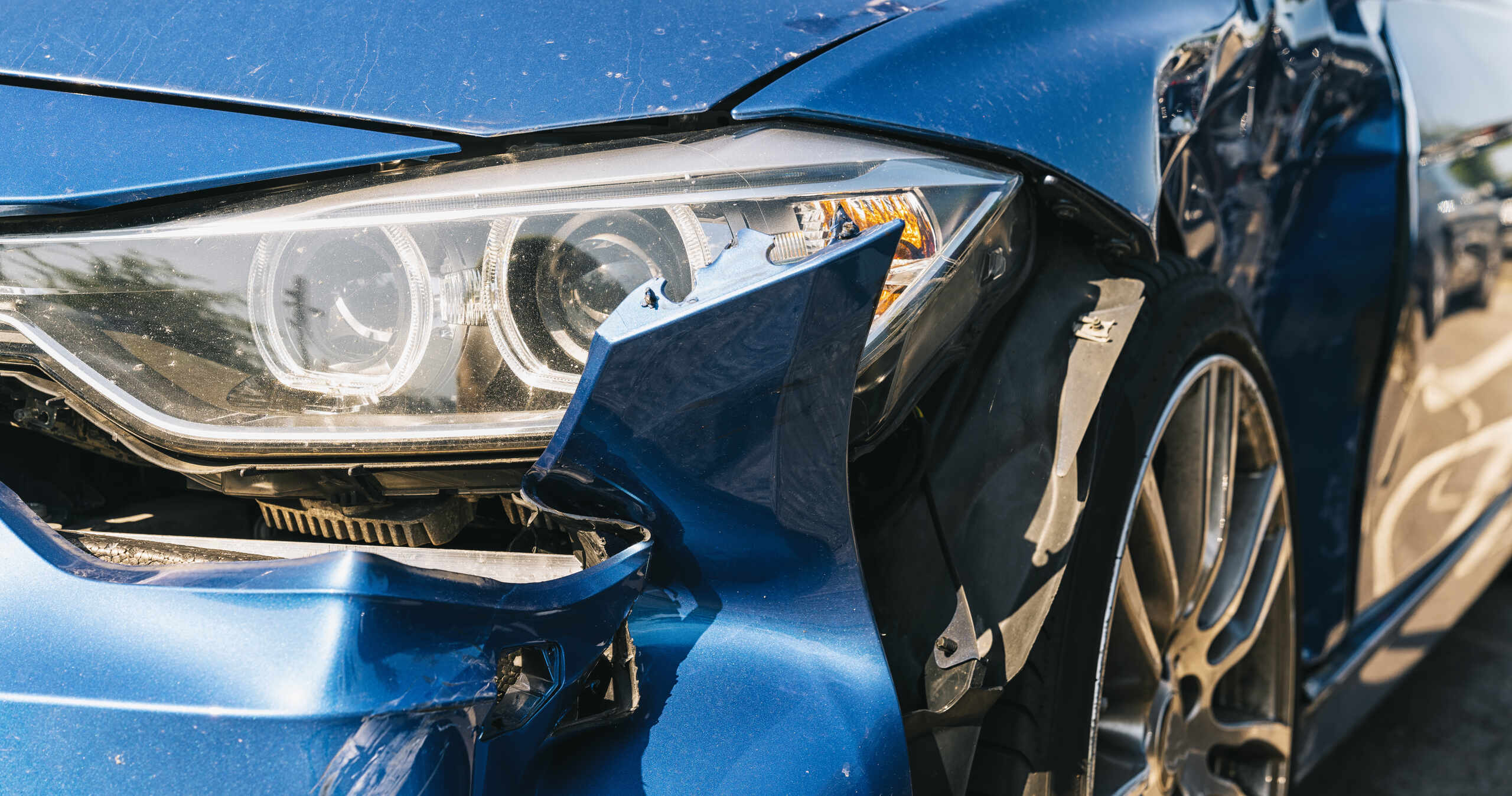
A hit and run crash in Texas leaves you with more questions than answers. If you’re asking, what do I do after a hit and run accident, you can rest easy knowing that Texas law gives you options, even when the other driver flees.
A knowledgeable Texas car accident lawyer can take steps to protect your claim, gather proof, and deal with insurance companies.
Key Takeaways: Hit and Run Car Accidents in TX
- Leaving the scene can lead to criminal charges and serious penalties.
- Fast reporting helps protect your right to pursue payment for your losses.
- Your own policy often becomes the main source of recovery when the driver cannot be identified.
- Photos, witness names, and vehicle details increase the odds of finding the driver.
- You may seek payment for medical care, lost income, property damage, and pain and suffering.
What Should I Do Immediately After a Hit and Run Accident?
The minutes after a crash matter. Your safety and your ability to prove what happened both depend on what you do right away.
Check for Injuries and Call 911
First, check yourself and anyone in your vehicle for injuries. Even if you feel fine, adrenaline can hide pain. Call 911 so police and medical teams can respond.
Paramedics may transport you to Texas Health Arlington Memorial Hospital or Medical City Arlington for evaluation. A medical record created that same day connects your injuries directly to the crash.
Move to a Safe Location if Possible
If your vehicle still runs and you can move it safely, pull to the side of the road. Turn on your hazard lights. Staying in traffic puts you at risk of another collision.
If the crash happened near Globe Life Field during a busy event, traffic may move quickly and unpredictably. Prioritize safety before anything else.
Document the Scene with Photos and Videos
Use your phone to take clear photos and short videos. Capture:
- Vehicle damage: Photograph all sides of your car.
- Road conditions: Include traffic signals, skid marks, and debris.
- Your injuries: Visible bruises or cuts may fade quickly.
Images freeze the scene in time. Insurance companies often rely on these details when reviewing claims.
Gather Information from Witnesses
Bystanders may have seen the fleeing vehicle or recorded it on a dash cam. Ask for names and phone numbers. A short voice memo describing what they saw can also help.
For example, someone leaving The Parks Mall at Arlington might remember the color or direction of the car that sped away.
Note Any Details About the Fleeing Vehicle
Even small details matter. Write down anything you remember:
- Color and make of the car
- Partial license plate numbers
- Damage to the other vehicle
- Direction of travel
Your memory fades faster than you think. Record details as soon as possible.
Why Is It Important to Report a Hit and Run to Police Right Away?
Quick reporting sets the foundation for both a criminal investigation and your insurance claim.
Texas Law Requires Accident Reports
Texas law requires drivers to stop and exchange information after a crash. A hit and run driver breaks that law. Police create an official accident report, which becomes a key document in your case.
An accident report includes:
- Date and time of the crash: Establishes when the incident occurred.
- Location details: Identifies exactly where it happened.
- Officer observations: Notes damage, injuries, and witness statements.
How Do I File a Hit and Run Claim with My Insurance Company?
After contacting police, notify your insurance company. Many policies require prompt notice of any crash.
Understanding Your Coverage Options
Auto policies often include different types of coverage:
- Liability coverage: Pays for damage you cause to others.
- Uninsured motorist coverage: Covers you when the at fault driver lacks insurance or cannot be identified.
- Collision coverage: Pays for damage to your own vehicle, regardless of fault.
Your policy language determines what applies.
Uninsured Motorist Coverage in Texas
Uninsured motorist coverage, often called UM coverage, steps in when a driver leaves the scene. This coverage may pay for medical bills, lost wages, and pain and suffering.
Texas requires insurers to offer UM coverage, though drivers may reject it in writing. If you carry this coverage, your own insurer handles the claim.
Collision Coverage for Vehicle Damage
Collision coverage pays for repairs to your car after a crash with another vehicle or object. You usually pay a deductible first. The insurer then covers repair costs up to your policy limit.
Deadlines for Notifying Your Insurer
Most policies require prompt notice. Delays may lead to disputes. Contacting your insurer soon after the crash helps avoid arguments over late reporting.
What If the Police Find the Hit and Run Driver?
Sometimes, officers identify the fleeing driver through license plate fragments, surveillance footage, or witness tips.
Criminal Penalties for Hit and Run in Texas
Texas treats hit and run seriously. Penalties depend on the harm caused:
- Property damage only may result in misdemeanor charges.
- Injury or death may lead to felony charges, fines, and prison time.
A criminal case punishes the driver. It does not automatically pay your losses.
Your Right to Pursue a Civil Claim
You may file a civil claim, which is separate from any criminal case. A civil claim seeks payment for your medical care, lost income, and other losses.
Collecting Compensation from the At-Fault Driver
If the driver carries insurance, you may file a claim against that policy. If the driver lacks insurance, you may rely on your own UM coverage or seek payment directly from the individual.
Can I Get Compensation If the Driver Is Never Found?
Many hit and run cases never identify the driver. Texas law still provides options.
Using Your Own Insurance Policy
Your uninsured motorist coverage often becomes your main path forward. You file a claim with your insurer, provide evidence, and document your losses.
Uninsured Motorist Bodily Injury Coverage
Uninsured motorist bodily injury coverage pays for:
- Medical treatment
- Rehabilitation
- Lost wages
- Pain and suffering
This coverage treats the unknown driver as if they carried no insurance.
Property Damage Claims When the Driver Escapes
Uninsured motorist property damage coverage or collision coverage may pay for vehicle repairs. Review your policy to confirm deductibles and limits.
Texas Crime Victims’ Compensation Program
In severe cases, families may apply to the Texas Crime Victims’ Compensation Program. This state program helps certain victims of violent crimes, including serious hit and run cases. The program may assist with medical costs and funeral expenses.
What Damages Can I Recover After a Hit and Run?
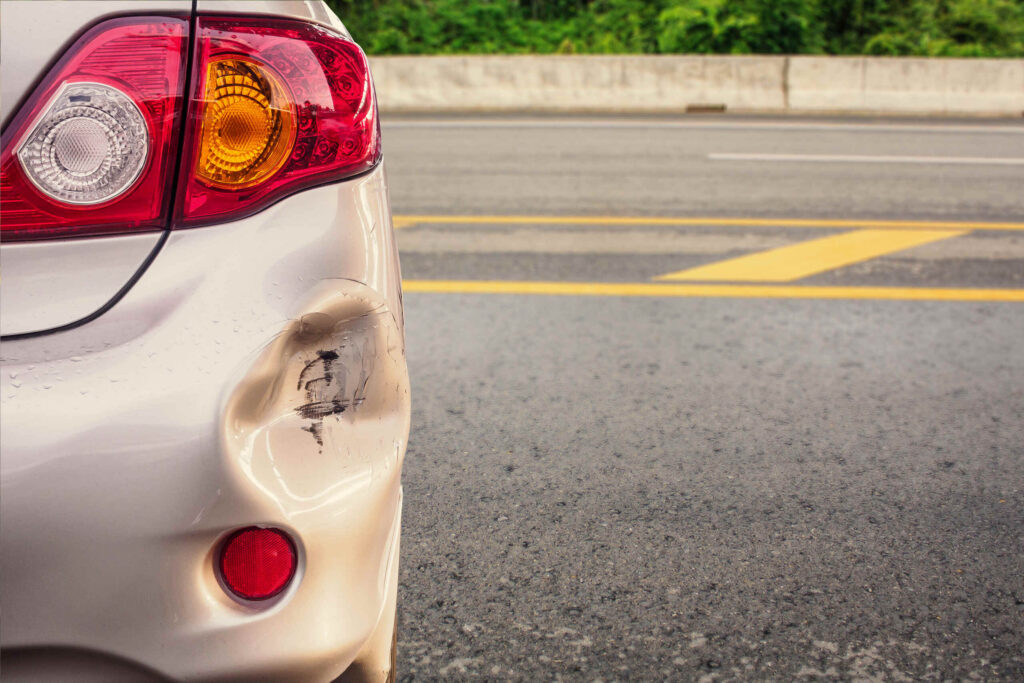
A hit and run can leave you with more than a damaged car. Texas law allows recovery for a range of losses.
Medical Expenses and Future Treatment Costs
Emergency room visits, surgery, physical therapy, and medication all add up. Doctors at Baylor Scott & White Orthopedic and Spine Hospital in Arlington often treat crash-related injuries such as fractures and back injuries.
Future treatment also counts. If a doctor expects ongoing care, your claim may include those projected costs.
Lost Wages and Loss of Earning Capacity
Time away from work reduces your income. Pay stubs and employer letters document those losses.
Serious injuries may affect your ability to return to the same job. Loss of earning capacity refers to reduced ability to earn income in the future.
Vehicle Repair or Replacement Costs
Repair estimates, body shop invoices, and photos prove vehicle damage. If repairs exceed the car’s value, the insurer may declare it a total loss and pay its fair market value.
Pain and Suffering
Pain and suffering refers to the physical discomfort and mental strain caused by the crash. Texas law allows recovery for these non-economic losses, which do not come with receipts but still affect daily life.
Property Damage Beyond Your Vehicle
Personal items inside your car, such as laptops or car seats, may also qualify for reimbursement if damaged in the crash.
What Evidence Do I Need to Support My Hit and Run Claim?
Strong proof supports a strong claim. Collecting and preserving evidence helps build your case.
Police Reports and Accident Documentation
Police reports create a timeline and record witness accounts. Request a copy as soon as it becomes available.
Medical Records and Bills
Medical records connect your injuries to the crash. Bills show the cost of treatment. Follow all recommended care, because gaps in treatment may raise questions.
Witness Statements and Contact Information
Witnesses can confirm how the crash occurred. Written or recorded statements strengthen your position during negotiations.
Photos and Video of the Accident Scene
Photos show damage patterns and road conditions. Nearby businesses, such as those around River Legacy Parks, may have security cameras that captured the fleeing vehicle.
Proof of Vehicle Damage and Repair Estimates
Keep repair estimates and invoices. These documents show the financial impact of the crash.
How Long Do I Have to File a Hit and Run Claim in Texas?
Texas generally allows two years from the date of the crash to file a personal injury lawsuit. Missing that deadline may prevent you from pursuing a court case.
Insurance Policy Deadlines and Requirements
Insurance policies often require quicker notice. Review your policy carefully and submit required forms on time.
Why Acting Quickly Protects Your Rights
Early action preserves evidence. Witness memories fade, and surveillance footage may be deleted within days. Quick steps protect your ability to pursue payment for your losses.
How Our Firm Can Help
Branch & Dhillon represents Arlington residents injured in hit and run crashes. We understand how sudden collisions disrupt work, family life, and health. Our team works to protect your claim from start to finish.
Investigating Your Hit and Run Accident
We gather police reports, request surveillance footage, and speak with witnesses. Our investigation aims to identify the driver whenever possible.
Dealing with Insurance Companies on Your Behalf
Insurance adjusters may question the extent of your injuries or the value of your claim. We communicate directly with insurers, submit documentation, and respond to their requests.
Maximizing Your Compensation
We calculate medical costs, lost income, and other losses to present a detailed demand. Careful preparation strengthens your claim and supports fair negotiations.
Pursuing All Available Sources of Recovery
We review every possible source of payment, including uninsured motorist coverage and other applicable policies. When an insurer refuses to offer a reasonable amount, we prepare to take the case to court.
Handling Your Case on a Contingency Fee Basis
Our firm handles hit and run cases on a contingency fee basis. You pay no upfront attorney’s fees. We receive payment only if we secure a financial recovery for you through settlement or verdict.
Frequently Asked Questions About Hit and Run Car Accident Claims
Texas follows a modified comparative fault rule. This rule reduces your recovery by your percentage of fault. If you hold more than 50 percent of the blame, you cannot recover damages. A lawyer can review the evidence and challenge unfair fault claims.
Insurance companies consider many factors when setting premiums. Filing an uninsured motorist claim does not automatically mean your rates will increase. Your insurer should not treat you as the at fault driver when someone else caused the crash and fled.
Follow the same steps as any other hit and run. Call the police, take photos, and look for cameras. Parking lots near Six Flags Over Texas often have surveillance systems that may capture useful footage.
Yes. Even minor crashes can lead to hidden injuries, such as whiplash. Seek medical care and document all damage. Small property damage claims still qualify under many policies.
Report the incident to the police immediately. Provide the fake information and any handwriting samples. Your uninsured motorist coverage may still apply if the information turns out to be false.
Contact Our Experienced Hit and Run Car Accident Attorneys in Texas Now
Hit and run cases move quickly. Evidence disappears, and insurance companies begin reviewing claims soon after notice. Acting promptly protects your rights and preserves proof.
Branch & Dhillon stands ready to help Arlington families pursue payment for medical bills, lost income, and other losses after a hit and run crash. We approach every case with care, preparation, and a commitment to client advocacy.
Contact us now for a free consultation. We’re here to listen, answer your questions about what to do after a hit and run accident, and help you take the next step forward.