

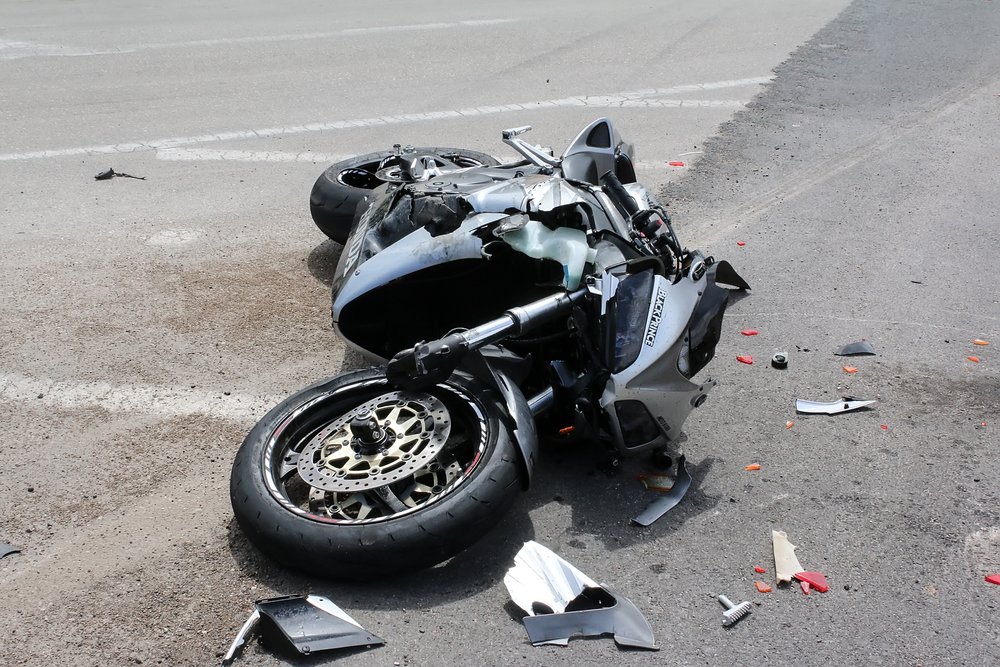
The days and weeks after a motorcycle accident can feel strange. The chaos of the crash scene is behind you, but the road ahead can seem unclear. The most important first steps after a motorcycle accident involve focusing on your health, carefully organizing information, and understanding how to protect your rights. Speaking with a motorcycle accident lawyer can also help you understand what to expect next and how to safeguard your claim. This process is about giving yourself the space and support you need to heal while laying the groundwork for your physical and financial recovery.
Key Takeaways about What to Do After a Motorcycle Accident
- Seeking and continuing medical treatment after returning home is crucial, as some serious injuries may not show symptoms immediately.
- Gathering and preserving all documents related to the accident, such as the police report, medical records, and receipts, is a fundamental step.
- Communicating with insurance companies requires caution; it is often advisable to limit the information shared before seeking legal guidance.
- Documenting the accident’s full impact on daily life, including lost income and physical pain, helps in assessing the total damages.
- Understanding the legal process, including the concept of negligence and state-specific deadlines, is important for protecting one’s rights.
Your First Priority at Home: Continued Medical Care
Even after you’ve been seen by emergency responders or at the hospital, your health journey is just beginning. The adrenaline from a crash can hide the true extent of your injuries. It is essential to schedule a follow-up appointment with your primary care physician as soon as possible. They can assess your condition away from the urgency of an emergency room and create a long-term treatment plan.
Some injuries, particularly soft tissue damage or traumatic brain injuries (TBIs), can have delayed symptoms. What feels like simple soreness one day could develop into a more serious issue. Paying close attention to your body is your most important job right now.
Keep an eye out for any new or changing symptoms, including:
- Headaches, dizziness, or confusion
- Numbness or tingling in your limbs
- Increased pain, stiffness, or swelling
- Difficulty sleeping or changes in mood
Starting a simple health journal to track your symptoms, pain levels, medical appointments, and prescribed medications can be an invaluable tool for both you and your doctors. This detailed record provides a clear timeline of your recovery process.
Gathering and Organizing Important Documents
While you focus on your health, setting aside a little time to gather paperwork can make a significant difference later. Having all your information in one place helps create a clear picture of what happened and the consequences of the accident. It’s best to keep everything in a dedicated folder or digital file.
This is not about building a legal case yourself; it’s about responsible record-keeping that can support your claim down the line. Start by collecting:
- The Police Report: The official crash report contains key details. In Texas, this is often called a CR-3 report, and you can typically request a copy from the law enforcement agency that responded or through the Texas Department of Transportation (TxDOT) Crash Report Online Purchase System.
- Contact and Insurance Information: Gather the details you exchanged with the other driver(s), as well as contact information for any witnesses.
- Photos and Videos: If you or someone else took pictures of the accident scene, your motorcycle, the other vehicles, or your injuries, keep them together.
- Medical Records and Bills: Keep a running file of every bill, prescription receipt, doctor’s summary, and any other communication from healthcare providers.
This collection of documents provides a factual foundation and helps illustrate the financial and physical impact the accident has had on your life.
Understanding How to Handle Insurance Company Calls
Soon after the accident, you will likely receive a call from the other driver’s insurance adjuster. It’s important to understand their role. The adjuster works for the insurance company, and their objective is to resolve the claim for the lowest possible amount. They may seem friendly and helpful, but their professional responsibility is to their employer, not to you.
You are not required to provide them with a recorded statement, and it is often wise not to do so without first seeking legal guidance. Statements can be taken out of context and used to challenge your claim later. When an adjuster calls, you can remain polite but firm.
Here are a few things to keep in mind for that initial conversation:
- Provide only basic facts: You can confirm your name, contact information, and the date and location of the accident.
- Do not discuss fault: Avoid any speculation about who caused the crash or what you think happened. Simply state the facts as you know them.
- Do not discuss your injuries in detail: You can say you are receiving medical treatment, but avoid describing your injuries. Your medical condition is still evolving, and an early statement might not reflect the full extent of your injuries.
- Do not accept a quick settlement offer: The first offer is rarely the best one and is often made before the full cost of your medical care and other losses is known.
Remember, you are in control of the conversation. You can end the call at any time if you feel uncomfortable or pressured.
Documenting the Full Impact on Your Life

The consequences of a motorcycle accident extend far beyond the repair shop and the hospital. They can affect your ability to work, your family life, and your ability to enjoy the things you love. From a legal perspective, these non-economic damages are just as real as your medical bills.
Think about how the accident has changed your daily routine. Perhaps the injuries prevent you from enjoying a weekend ride through the beautiful River Legacy Parks in Arlington or make it difficult to perform your job. Keeping a private journal can be a powerful way to document these changes.
Note things like:
- Days missed from work: Track any time you were unable to work, including partial days for doctor’s appointments.
- Physical pain and limitations: Describe your pain levels and any activities you can no longer do, from household chores to hobbies.
- Emotional and mental state: It’s normal to experience frustration, anxiety, or sadness after a traumatic event. Documenting these feelings is a valid part of your story.
This record helps to paint a complete picture of your experience, ensuring that the full impact on your quality of life is not overlooked.
The Role of a Texas Motorcycle Accident Attorney
While you are recovering, a personal injury attorney can take on the complex tasks of investigating the crash and dealing with the insurance companies on your behalf. Their job is to advocate for your best interests, allowing you to concentrate on getting better. An attorney will work to establish negligence—a legal term meaning that another party failed to use reasonable care, and that failure caused your injuries.
An attorney can help your case in several ways:
- Conducting a Thorough Investigation: They can gather evidence, talk to witnesses, and work with accident reconstruction professionals to determine exactly how the crash occurred.
- Handling All Communications: A lawyer will manage all phone calls, emails, and paperwork from insurance companies, protecting you from saying or doing something that could harm your claim.
- Calculating Your Total Damages: They will work with you and your doctors to understand the full, long-term costs of your injuries, including future medical needs, lost earning capacity, and pain and suffering.
It’s also important to be aware of the statute of limitations. In Texas, you generally have two years from the date of the accident to file a personal injury lawsuit. Missing this deadline can mean losing your right to seek compensation forever.
Common Causes and Complications in Motorcycle Crashes

Motorcycle accidents often happen because other drivers simply fail to see the rider. Unfortunately, there is sometimes an unfair bias that motorcyclists are reckless, but the reality is that most riders are extremely careful.
Common situations that lead to motorcycle crashes include:
- Drivers Making Left-Hand Turns: A frequent cause of accidents is when a car turns left in front of an oncoming motorcycle at an intersection.
- Unsafe Lane Changes: Drivers who fail to check their blind spots before changing lanes can easily collide with a smaller motorcycle.
- Distracted Driving: A driver who is texting, talking on the phone, or otherwise not paying attention is a danger to everyone on the road, especially motorcyclists.
These crashes can result in severe injuries, including traumatic brain injuries (TBI). Motorcyclists are significantly more likely to be injured or killed in a crash than occupants of passenger cars. An experienced attorney understands how to combat the biases riders face and present the facts of what really happened.
FAQs: What Should I Do After a Motorcycle Crash
Here are answers to some common questions that arise after a motorcycle crash in Texas.
If the at-fault driver has no insurance or not enough to cover your damages, you may be able to make a claim through your own Uninsured/Underinsured Motorist (UM/UIM) coverage. This is an optional part of your own motorcycle insurance policy that is designed to protect you in this exact situation.
It is generally best to wait before starting repairs on your motorcycle. The bike itself is important evidence. An insurance adjuster will need to inspect the damage, and your legal team may want their own professionals to examine it as part of their investigation.
Texas is a modified comparative fault state. This means that fault can be shared between the parties involved. As long as you are found to be 50% or less at fault for the accident, you can still recover damages. However, your compensation will be reduced by your percentage of fault. Fault is determined by examining the police report, witness statements, physical evidence, and traffic laws.
Yes, you may still have a case. While Texas law requires riders under 21 to wear a helmet, those 21 and over can ride without one if they meet certain health insurance requirements. Even if you were required to wear a helmet and did not, the other driver can still be held responsible for causing the crash. The lack of a helmet may affect the amount of compensation you can receive for a head injury, but it does not prevent you from holding a negligent driver accountable.
The timeline for a motorcycle accident case varies widely depending on the complexity of the crash, the severity of your injuries, and whether the case settles or proceeds to a trial. Simple cases might resolve in a few months, while more complex ones can take a year or more. The priority is to ensure you reach maximum medical improvement before resolving the claim, so the full extent of your damages is known.
Contact a Dedicated Personal Injury Attorney Today

The steps you take in the days and weeks after a motorcycle accident can have a lasting impact on your future. You deserve time to focus on your recovery without the added stress of legal procedures and insurance negotiations. The personal injury lawyers at Branch & Dhillon, P.C. focus their practice on personal injury cases and are passionate about advocating for those who have been wrongfully injured.
We handle every case on a contingency fee basis, which means you pay no fees unless we successfully recover compensation for you. Let us handle the legal details so you can put your energy where it matters most—on healing.
If you or a loved one has been injured in a motorcycle accident in Arlington or anywhere in Tarrant County, contact Branch & Dhillon, P.C. at (817) 533-3430 or through our online form for a free, no-obligation consultation to discuss your options.