

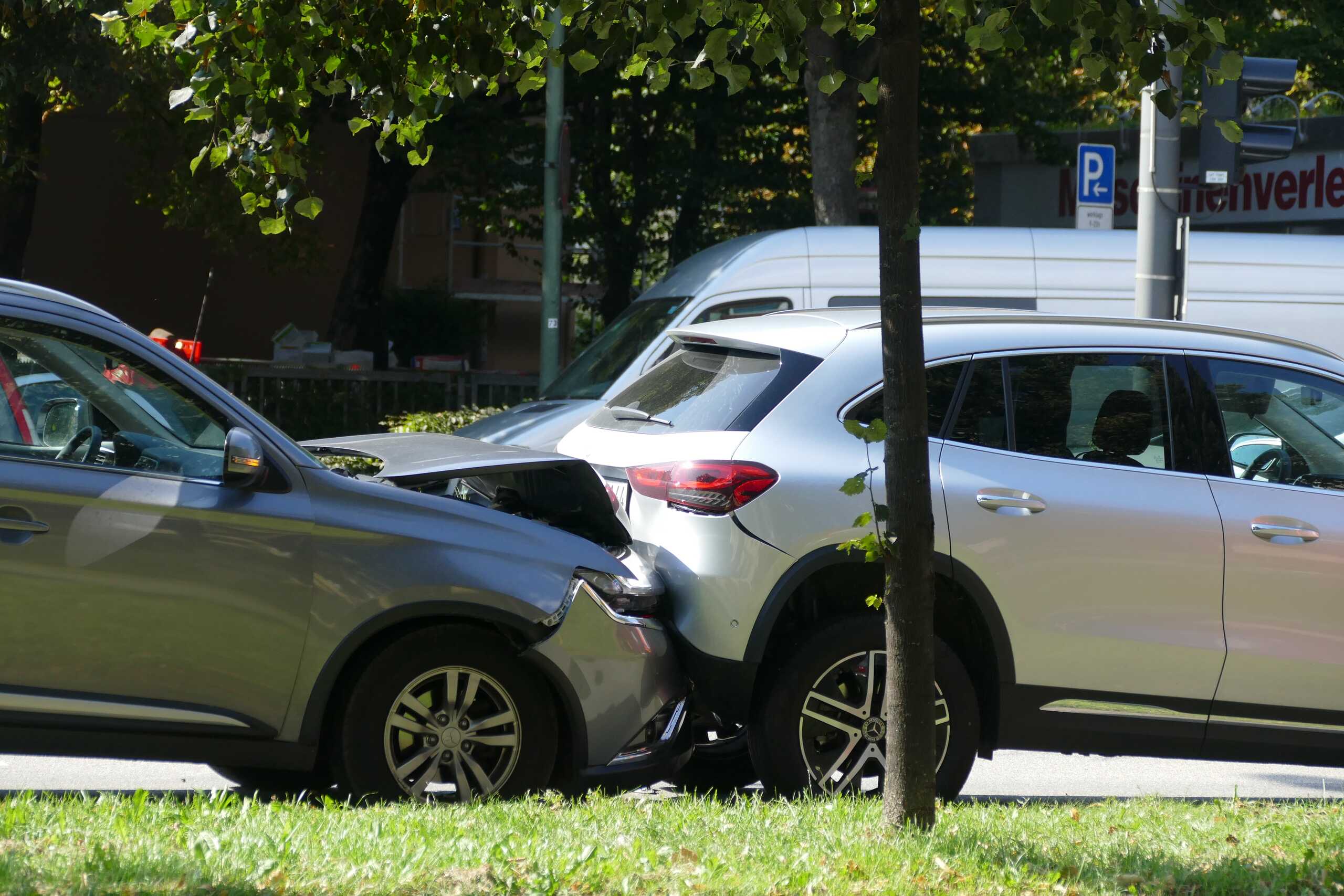
If you were driving down a street in Arlington and another driver suddenly pulled out in front of you, leaving you no time to stop, you may be wondering if you’re at fault if someone pulls out in front of you? In most cases, the answer is no, but the full picture depends on the details of your crash.
Texas traffic laws place a clear duty on drivers entering a roadway to wait until it is safe to do so. When someone ignores that duty and causes a collision, they generally carry the legal responsibility for the resulting injuries and losses. That said, insurance companies don’t always hand out fair settlements just because the facts are on your side.
If you suffered injuries or losses in a crash that someone else caused, speaking with a car accident attorney for a free consultation is a smart first step.
Key Takeaways: Who’s At Fault When Someone Pulls Out in Front of You
- The driver who pulls out in front of another vehicle typically carries fault for failing to yield the right of way under Texas law.
- Texas’s modified comparative fault rule allows fault to be split between drivers, but you can still recover compensation as long as you are not more than 50 percent responsible.
- Insurance companies may try to shift blame onto you, even when the other driver clearly caused the crash.
- Evidence, including witness statements, traffic camera footage, and police reports, plays a significant role in establishing fault after a pull-out accident.
- A skilled car accident attorney can help you build a strong claim and protect your right to fair compensation.
Quick Answer: Am I at fault if someone pulls out in front of me?
Generally, no. If another driver pulled out in front of you without warning, that driver is likely at fault for failing to yield the right of way.
- The driver who pulled out typically bears fault because they had a legal duty to wait for a safe gap in traffic before entering the roadway.
- If you were driving at a legal speed and had no opportunity to stop, your liability is usually limited or nonexistent.
- Texas follows a modified comparative fault rule, meaning fault can be shared, but the driver who pulled out is most often the primary at-fault party.
Talking with a car accident attorney after this type of crash can help you understand where fault falls in your specific situation.
What Does Right of Way Mean in a Car Accident?
Right of way is the legal rule that determines which driver has the duty to yield and which driver has the right to proceed. When someone violates that rule and causes a crash, it becomes a central factor in assigning fault.
A driver who fails to yield and causes a crash is typically considered at fault under Texas traffic law. Right of way rules exist to create a predictable order of movement on the road, so drivers know who should proceed and who should wait.
These rules apply in several common situations:
- A driver pulling out of a parking lot or driveway must wait until the road is clear before entering traffic.
- A driver at a stop sign must yield to vehicles already moving through the intersection.
- A driver making a left turn must yield to oncoming traffic unless a green arrow permits the turn.
- A driver merging onto a highway must yield to vehicles already traveling in the lane they are entering.
When a driver ignores these rules and a collision follows, the failure to yield becomes a central factor in determining who bears legal responsibility.
Who Is Liable When a Car Pulls Out in Front of You?
Liability in a pull-out accident most often falls on the driver who entered the roadway without a safe gap. Who is liable when a car pulls out in front of you depends on whether that driver had enough time and space to yield, and whether you, as the approaching driver, had any reasonable opportunity to avoid the crash.
If you were traveling at or below the speed limit and the other driver pulled out without warning, courts and insurance adjusters will typically find that driver responsible. However, if evidence suggests you were speeding or distracted, the analysis shifts.
What If You Were Speeding When Someone Pulled Out?
If you were exceeding the speed limit at the time of the crash, that fact may affect how fault is assigned. Texas follows the modified comparative fault rule, which means fault can be divided between drivers based on each party’s percentage of responsibility.
If you were 20 percent at fault for speeding, your compensation is reduced by 20 percent. As long as your share of fault stays at or below 50 percent, you can still recover damages. If you are found more than 50 percent at fault, you cannot recover any damages under Texas law.
This rule matters because insurance companies will look for any reason to reduce their payout. They may argue that a reasonable driver going the speed limit could have stopped in time, even if that argument stretches the facts.
Having legal representation helps ensure that your actions are evaluated fairly.
What If the Other Driver Claims You Had Enough Time to Stop?
The other driver’s insurance company may argue that you had time to brake and avoid the collision. Reconstruction experts, skid mark analysis, and dashcam footage can all help clarify what actually happened and how much time you realistically had to respond.
A driver who pulls out from a side street, parking lot near Collins Street, or a shopping center entrance along Pioneer Parkway gives approaching drivers very little time to react, and the evidence often reflects that reality.
How Does Failure to Yield Affect Accident Responsibility?
When a driver who is legally required to yield fails to do so and causes a crash, that failure is generally considered negligence. Negligence, in plain terms, means a driver did not act with the care a reasonable person would exercise in the same situation.
To establish that the other driver was negligent, your attorney would typically need to show four things:
- The other driver owed you a duty of care, which all drivers owe one another on public roads.
- The driver breached that duty by failing to yield.
- That breach caused the collision.
- You suffered actual injuries or losses as a result.
Pull-out accidents that occur near high-traffic areas like Interstate 20 or along Division Street often involve clear duty-of-care violations, because drivers entering busy roadways carry an obvious responsibility to wait for safe conditions.
Does a Police Report Help Establish Fault?
A police report does not automatically determine legal fault, but it carries significant weight. Officers who respond to the scene often note which driver received a citation and describe what they observed.
If the other driver was ticketed for failure to yield, that notation strengthens your claim considerably. Keep a copy of the report and share it with your attorney as soon as possible.
What Evidence Supports Your Claim After a Pull-Out Accident?
Physical evidence, witness accounts, and records from nearby businesses or traffic cameras can all contribute to a clearer picture of what happened.
Consider the following types of evidence that could support your claim:
- Traffic or surveillance camera footage from nearby businesses or city-installed cameras can show exactly how the crash unfolded.
- Witness statements from bystanders or other drivers who saw the other vehicle pull out can corroborate your account.
- Photographs of vehicle damage, skid marks, and road conditions help establish the positions of vehicles and the force of impact.
- Your medical records connect your injuries directly to the crash, which matters both for liability and for calculating your damages.
- Phone records may show whether the other driver was distracted at the time of the incident.
Crashes that happen near busy spots like the intersections around Abram Street or on South Cooper Street sometimes involve footage from nearby businesses that proves invaluable.
Should You Seek Medical Care Right Away?
Yes. Seeking medical care promptly after a pull-out accident protects both your health and your legal claim. Injuries like whiplash, soft tissue damage, and even mild traumatic brain injuries don’t always produce immediate symptoms. If you delay treatment, the insurance company may argue that your injuries were not caused by the crash.
Local facilities like Texas Health Arlington Memorial Hospital and Medical City Arlington are equipped to evaluate and treat crash-related injuries. Getting checked out soon after the accident creates a medical record that links your condition to the collision.
What Steps May Help Strengthen My Claim?
After an accident, the actions you take in the days that follow can make a meaningful difference in your claim. While every case is different, some general steps tend to support a stronger outcome.
- Keeping copies of all medical records and bills creates a paper trail that documents the scope and cost of your injuries.
- Saving receipts for out-of-pocket expenses, such as prescription costs, physical therapy co-pays, or rideshare fares to medical appointments, helps establish your economic losses.
- Writing down how your injuries affect your daily life, including disruptions to work, sleep, and normal activities, can support claims for pain and suffering.
Bring as much information as you can to your initial consultation with your lawyer. That will help them paint a clearer picture of what happened so they can begin building your claim.
What Damages Can I Recover After a Pull-Out Accident?
Texas law allows injured drivers to seek compensation for both economic and non-economic losses.
Economic damages cover measurable financial losses:
- Past and future medical expenses, including hospital stays, imaging, surgery, and rehabilitation.
- Lost wages from time missed at work during recovery.
- Reduced earning capacity if your injuries limit your ability to work long-term.
- Property damage to your vehicle and personal belongings.
Non-economic damages address losses that don’t come with a price tag but are just as real. Pain and suffering, loss of enjoyment of life, and emotional distress are examples of damages that reflect the human cost of what you’ve been through.
In rare cases involving especially reckless conduct, Texas courts may also award punitive damages, which are designed to punish the at-fault driver rather than compensate you.
Frequently Asked Questions About Fault in a Car Accident
How long will it take to resolve my claim?
The time it takes to resolve a car accident claim varies widely depending on factors like the severity of your injuries, whether liability is disputed, and how cooperative the insurance company is. Some straightforward claims settle within a few months, while cases involving serious injuries or contested fault can take a year or longer.
An attorney can give you a more realistic timeline once they review the details of your specific situation.
How long do I have to file a car accident claim in Texas?
Texas law generally gives injured drivers two years from the date of the crash to file a personal injury lawsuit. Missing that deadline typically means losing the right to pursue compensation through the courts. Consulting an attorney soon after the crash helps ensure you don’t miss key legal deadlines.
What if the driver who pulled out in front of me didn’t have insurance?
If the at-fault driver was uninsured, your own uninsured motorist coverage may apply, depending on your policy. Texas does not require drivers to carry uninsured motorist coverage, but many policies include it.
An attorney can review your policy and help you identify every available source of compensation.
Can a passenger in my car make a claim after a pull-out accident?
Yes. Passengers injured in a pull-out accident generally have the right to seek compensation from the at-fault driver’s insurance policy. In some cases, passengers may also have claims under other insurance policies involved in the crash.
Each passenger’s situation is individual, so separate legal guidance often makes sense.
What if the accident happened in a parking lot instead of on a public road?
Parking lot accidents involve the same basic fault principles as road crashes. The driver who failed to yield or entered a travel lane without checking for oncoming vehicles is typically at fault.
However, parking lots sometimes create more ambiguity about who had the right of way, which makes documenting the scene and gathering witness accounts especially valuable.
Branch and Dhillon, P.C. Is Focused on Helping Injured Drivers in Arlington
At Branch and Dhillon, P.C., we know how much a serious car accident can disrupt your life. Medical appointments, insurance calls, and missed work pile up quickly, and the stress of dealing with all of it while recovering from injuries is a heavy burden to carry. We are here to take that weight off your shoulders.
Our team is experienced in handling car accident claims across Arlington and the surrounding areas. We work hard to build strong cases for our clients, challenge unfair fault assessments, and pursue every dollar of compensation our clients deserve. We don’t collect fees unless we recover for you.
If you suffered injuries or losses in a crash someone else caused, contact us today for a free consultation by calling +1-817-533-3430. We’re ready to listen to your story and help you understand your options.