

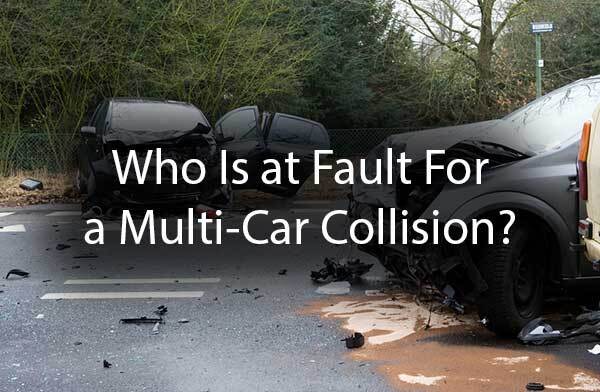
Multi-car collisions often leave drivers facing conflicting accounts, scattered evidence, and insurance companies eager to shift blame. Determining responsibility in these situations is rarely simple and requires a careful look at how each driver’s actions contributed to the crash.
At Branch & Dhillon, we investigate every detail, from vehicle positions to witness statements, to build a clear picture of what happened. Our car accident attorneys focus on holding all responsible parties accountable and pursuing the maximum recovery available under Texas law.
If you were injured in a multi-car accident in Arlington or Tarrant County, call Branch & Dhillon at (817) 533-3430 for a free consultation with an experienced car accident attorney.
Key Takeaways About Fault in Multi-Car Collisions
- Texas comparative fault laws allow recovery from multiple drivers based on their percentage of responsibility for causing the multi-car accident.
- The first impact doesn’t always determine primary fault, as subsequent drivers who followed too closely or drove recklessly may share liability.
- Each driver’s insurance company typically bears responsibility only for damages their insured caused, making fault allocation vital for compensation.
- Evidence from multiple sources including witness statements, traffic cameras, and vehicle damage patterns helps reconstruct the collision sequence.
- Chain reaction accidents often involve shared fault among several drivers rather than placing all blame on the initiating vehicle.
How Branch & Dhillon Investigates Multi-Vehicle Accidents in Arlington
Branch & Dhillon applies advanced investigative resources and proven strategies to multi-car accident cases. These complex collisions demand attorneys who understand accident reconstruction, comparative fault principles, and strategies for dealing with multiple insurance companies simultaneously.
Our attorneys carefully analyze each driver’s actions to determine their role in the crash, fighting against insurance companies that try to shift excessive blame onto our clients. Multi-vehicle accidents on Interstate 20, Highway 360, and congested Arlington surface streets require immediate investigation before evidence disappears and stories solidify.
Our team responds quickly to accident scenes. We document vehicle positions, interview witnesses, and preserve evidence that reveals how the chain reaction unfolded.
Initial police reports often oversimplify fault in complex pile-ups, missing important details about driver behaviors that contributed to the collision.
Comprehensive Fault Analysis for Maximum Recovery
Branch & Dhillon employs accident reconstruction specialists who analyze physical evidence to determine each vehicle’s role in multi-car collisions. We examine impact patterns, vehicle rest positions, skid marks, and debris fields to understand the sequence of events.
This evidence-based approach uncovers fault allocations that insurers often downplay in pursuit of quick settlements. Our investigation goes beyond the immediate crash to identify contributing factors like dangerous road conditions on Cooper Street, malfunctioning traffic signals, or construction zones that created hazards.
When government negligence or third-party actions contribute to multi-vehicle accidents, we pursue all responsible parties to maximize compensation sources for injured victims.
Understanding Chain Reaction Accident Dynamics
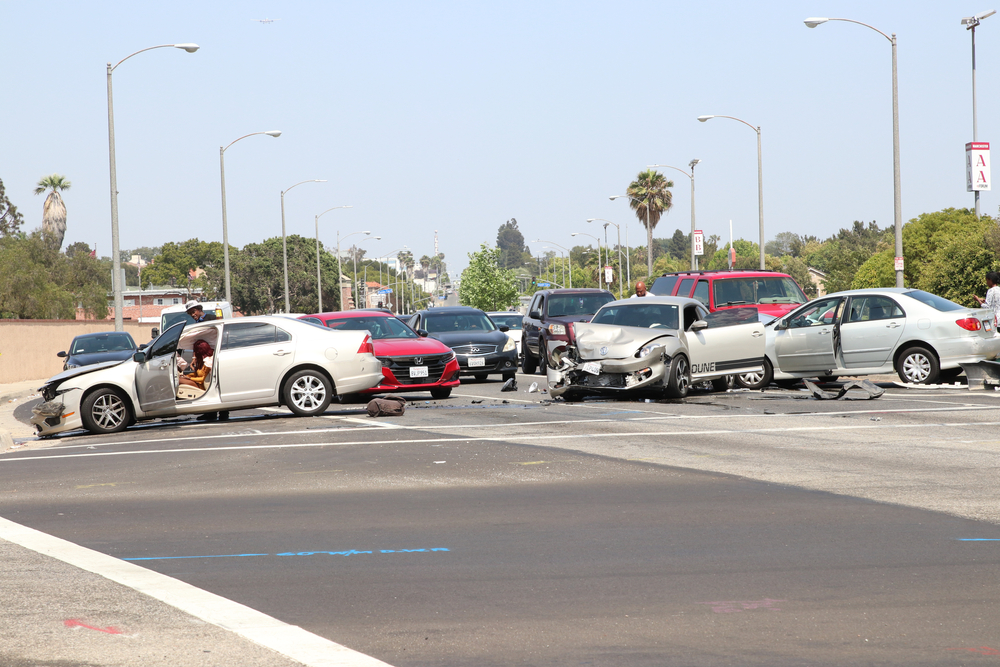
Chain-reaction collisions usually begin with a single triggering event that sets off a cascade of crashes when following drivers cannot stop in time. The initial impact may result from distracted driving, mechanical failure, or hazardous weather conditions.
Subsequent collisions often involve additional negligence by other drivers. Because of this, responsibility for a chain-reaction crash rarely falls solely on the first vehicle. An experienced car accident attorney can help identify each party’s role and ensure accountability.
On Arlington highways and roads, following too closely is one of the biggest contributors to pile-up severity. Tailgating on I-30 during rush hour or crowding vehicles through construction zones leaves drivers with no chance to avoid becoming part of a chain reaction. Even if they were not involved in the first collision, these drivers may still bear partial responsibility.
Texas Transportation Code §545.062 requires motorists to maintain an assured clear distance to prevent rear-end collisions. When drivers violate this duty on I-30 or Highway 360 and contribute to multi-vehicle crashes, the statute provides a clear legal basis for assigning fault.
A skilled car accident attorney can use this statutory duty to protect victims’ rights and pursue fair compensation.
The Domino Effect Versus Independent Negligence
Not every driver in a multi-car accident is free of responsibility. Some drivers contribute to the severity of the crash through negligent actions that worsen the collision or trigger additional impacts.
Under Texas law, violations of safety statutes such as speeding or following too closely can amount to negligence per se. This means that a driver who breaks these traffic laws is automatically considered negligent, which simplifies fault determinations in complex pile-up cases.
The distinction between unavoidable involvement and negligent contribution plays a crucial role in how fault is allocated. Common negligent behaviors in multi-vehicle accidents include:
- Distracted driving that delays brake application when traffic stops ahead
- Excessive speed that increases impact force and pushes vehicles into others
- Aggressive lane changes during the collision sequence that strike additional vehicles
- Failing to move disabled vehicles from travel lanes after initial impacts
These actions create independent fault rather than mere participation in an unavoidable chain reaction, affecting how insurance companies and courts allocate responsibility among multiple parties involved in the collision.
Texas Comparative Fault Laws in Multi-Car Crashes
Texas follows a modified comparative fault system under Civil Practice and Remedies Code Chapter 33 that allows injured parties to recover different types of damages even when partially at fault. In multi-vehicle accidents, this system becomes particularly important as fault percentages get distributed among several drivers.
As long as your share of fault does not exceed 50%, you may still recover compensation, though your damages will be reduced by your percentage of responsibility. In multi-car accidents, liability is often divided among several drivers, but even if you’re found partly at fault, you can still seek recovery from other negligent parties.
How Fault Percentages Affect Your Recovery
The practical impact of comparative fault in multi-vehicle collisions means you might recover from several insurance policies simultaneously. If three drivers share fault for your car accident injuries, each of their insurance companies owes compensation based on their insured’s percentage of responsibility.
Because insurers often dispute percentages to limit payouts, it’s wise to call an attorney before contacting any insurance company. A lawyer can coordinate claims and protect you from tactics designed to reduce your recovery.
Evidence That Determines Fault in Multi-Vehicle Accidents
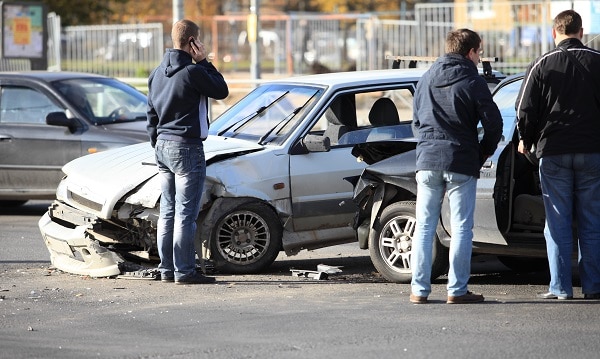
Establishing accurate fault in multi-car collisions requires comprehensive evidence gathering that captures the complete sequence of events. Physical evidence from crash scenes provides objective data about vehicle movements, impact forces, and driver actions.
Unlike witness testimony that may be confused or biased, physical evidence tells an impartial story. Modern vehicles contain event data recorders that capture pre-crash information including speed, brake application, steering input, and seatbelt use. This black box data proves invaluable for multi-vehicle accidents where drivers give conflicting accounts.
When five drivers each blame others for causing a pile-up, electronic data reveals who actually caused various impacts.
Witness Testimony and Video Evidence
Independent witnesses provide perspectives that involved drivers cannot offer due to their limited viewpoint and potential bias. Witnesses observe the entire collision sequence, seeing which vehicle initiated contact and how others responded.
Their testimony helps establish whether following drivers had opportunity to avoid the pile-up or were truly helpless victims. Traffic cameras along Arlington highways and surveillance from nearby businesses capture multi-vehicle accidents on video.
The Texas Department of Transportation maintains cameras at major intersections and highway segments that often record chain reaction collisions. This footage definitively shows vehicle movements, following distances, and driver behaviors that caused or contributed to crashes.
Common Scenarios in Arlington Multi-Car Collisions
Multi-vehicle accidents follow patterns based on road conditions, traffic flow, and common driver behaviors throughout Arlington and Tarrant County.
Recognizing these scenarios helps predict fault allocation and identify responsible parties. Weather-related pile-ups during North Texas storms often involve multiple drivers who failed to adjust speed for conditions. Highway merge areas where US-287 meets I-20 create natural congestion points where multi-car accidents occur frequently.
Even if driving below the speed limit, §545.351 requires motorists to adjust speed for traffic, weather, and road conditions. Failing to slow down in a storm can amount to negligence per se when it contributes to multi-car collisions.
Aggressive merging combined with following vehicles traveling too fast creates collision chains. Fault gets distributed among aggressive mergers, speeding drivers, and those following too closely to react safely.
Rush Hour Pile-Ups on Major Arlington Roads
Dense traffic during morning and evening commutes increases multi-vehicle accident frequency and severity. Stop-and-go traffic on Division Street and Abram Street creates situations where one driver’s momentary inattention triggers extensive pile-ups.
Multiple drivers often share fault for following too closely in congested conditions. Construction zones throughout Arlington present unique multi-car accident risks through:
- Sudden lane shifts that confuse drivers and cause sideswipes
- Narrow lanes that leave no room for error when avoiding accidents
- Stopped traffic in unexpected locations catching drivers unprepared
- Reduced visibility from dust and equipment blocking sightlines
These conditions don’t absolve drivers of responsibility but can lessen their share of fault.
Dealing With Multiple Insurance Companies After Pile-Ups
Multi-car accidents involve numerous insurance companies, each protecting their own interests while trying to shift liability onto others.
This creates a complex claims environment where injured victims face aggressive tactics from multiple directions simultaneously. Each insurer conducts separate investigations designed to minimize their client’s fault percentage. Conflicting settlement offers arise when insurance companies disagree about fault allocation.
One insurer might offer settlement based on their driver being 20% at fault while another claims your damages resulted entirely from different drivers. These disputes delay compensation while insurers fight among themselves rather than fairly compensating victims. Without experienced legal representation, accident victims get caught between insurance companies pointing fingers at each other.
A car accident attorney manages communications with all involved insurers, presenting consistent evidence supporting accurate fault allocation. This coordinated approach prevents insurers from exploiting confusion to avoid payment.
FAQs for Car Accident Attorneys
Fault is determined through a detailed investigation. Police reports provide initial assessments, but thorough investigation including accident reconstruction, witness interviews, and physical evidence analysis establishes accurate fault percentages. Each driver’s contribution gets evaluated independently.
Being in the middle doesn’t automatically absolve you of fault. Your following distance, speed, and attention level affect whether you contributed to the pile-up or were truly an innocent victim. If you maintained safe distances and tried to avoid impact, your fault may be minimal or zero.
Texas comparative fault laws allow recovery as long as your fault doesn’t exceed 50%. Your damages get reduced by your fault percentage, but you may still recover from other negligent drivers. Multiple at-fault drivers mean multiple sources for compensation based on their respective liability.
Impaired or distracted drivers frequently carry a larger share of responsibility because their negligence is especially severe. Even if another motorist technically initiated the chain reaction, reckless conduct such as drunk driving or texting can shift primary liability to the impaired driver. In some cases, this behavior may also justify claims for punitive damages.
When intoxication is involved, responsibility may extend beyond the driver. Under the Texas Dram Shop Act, bars and restaurants that overserve visibly intoxicated patrons can also be held liable for the harm those drivers cause in multi-vehicle collisions.
Uninsured drivers complicate recovery but don’t eliminate it. You may recover from other at-fault drivers’ insurance and your own uninsured motorist coverage. The uninsured driver’s fault percentage gets removed from insured drivers’ liability, potentially increasing their payment obligations.
Protect Your Rights After a Multi-Vehicle Collision Today
Multi-car accidents create complicated liability issues, with multiple insurance companies working to limit their payouts at your expense.
Without experienced legal representation, you risk being unfairly blamed and left with inadequate compensation while insurers shift responsibility onto one another. Our personal injury lawyers at Branch & Dhillon work to establish clear fault and pursue the maximum recovery from every responsible party.
The hours and days after a multi-vehicle collision are critical. Evidence can be lost, witnesses may become unavailable, and insurers quickly shape narratives to protect their own interests. Acting promptly with knowledgeable legal representation ensures your rights are protected and your claim reflects the true circumstances of the accident.
Take the steps now to protect your health and your financial recovery. Call Branch & Dhillon at (817) 533-3430 for a free consultation with a dedicated car accident attorney serving Arlington and Tarrant County.