

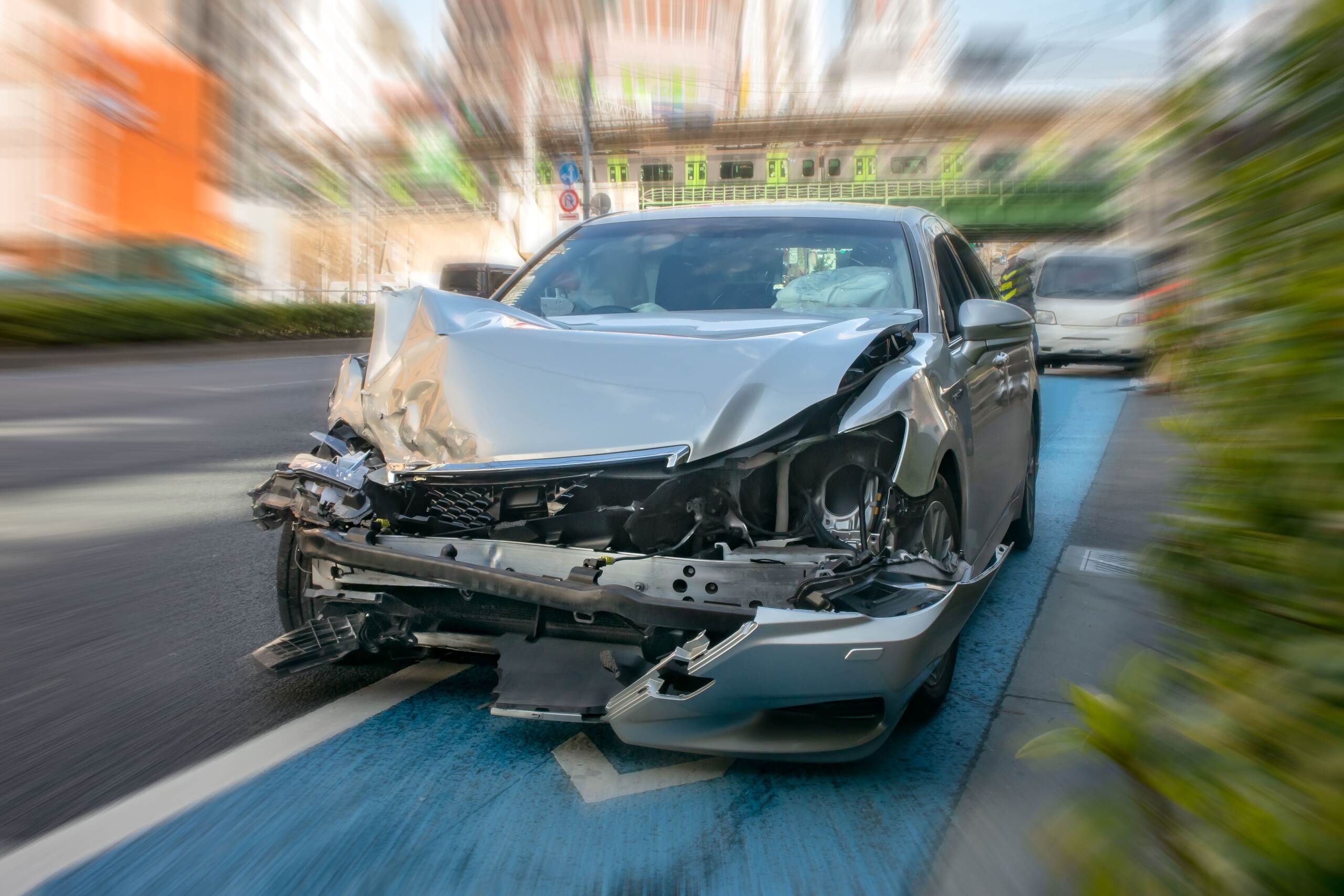
Finding out the driver who hit you doesn’t carry insurance feels like getting hit twice, once by the crash itself and again by the realization that the person responsible has nothing to offer you. Uninsured driver injury compensation in Oklahoma usually comes from a source most people forget they’re even paying for every month, their own auto insurance policy.
Oklahoma City sees this scenario more often than you’d expect, since Oklahoma consistently ranks among the states with higher percentages of uninsured drivers on the road.
If you got hurt by someone who skipped their legal obligation to carry coverage, an Oklahoma City car accident attorney can review your own policy with you at no cost and tell you plainly what’s actually available.
Key Takeaways: Who Pays When Uninsured Driver Causes an Accident
- Your own uninsured motorist coverage typically becomes the primary path to compensation when the at-fault driver carries no insurance.
- Oklahoma law requires insurers to offer uninsured motorist coverage, though drivers can decline it, which makes checking your own policy essential.
- Uninsured motorist claims still require proving the other driver’s fault, even though you’re technically filing against your own insurer.
- Health insurance and MedPay coverage can help bridge the gap in treatment costs while a claim moves through the process.
- Insurance companies sometimes treat uninsured motorist claims adversarially, despite the fact that you’ve paid premiums for this exact protection.
What Happens if the At-Fault Driver Has No Insurance?
What happens if the at-fault driver has no insurance depends almost entirely on what coverage you personally carry, since Oklahoma law doesn’t provide a state fund to cover victims of uninsured drivers directly.
Your own policy, specifically the uninsured motorist portion of it, becomes the mechanism through which you seek payment.
Why Does Oklahoma Have So Many Uninsured Drivers?
Oklahoma has a higher than average rate of uninsured drivers largely because enforcement of the state’s mandatory insurance law hasn’t kept pace with the number of drivers who let coverage lapse or never purchase it at all. Estimates from insurance industry sources have placed Oklahoma among the top states nationally for uninsured motorists on the road at any given time.
This reality affects Oklahoma City drivers directly, particularly on higher traffic corridors where crash frequency runs higher and the odds of encountering an uninsured driver increase along with it.
Does the Uninsured Driver Face Any Consequences?
The uninsured driver does face consequences, including license suspension, fines, and potential personal liability for your damages even without insurance backing them.
However, pursuing an uninsured individual directly for a judgment often proves difficult, since a driver without insurance frequently lacks meaningful assets to collect against as well.
How Does Uninsured Motorist Coverage Work in Oklahoma?
Uninsured motorist coverage works by allowing you to file a claim against your own insurance policy when the at-fault driver carries no insurance at all. This coverage exists specifically to protect you from situations exactly like this one, where the responsible party has no policy to pursue.
What Does Uninsured Motorist Coverage Actually Pay For?
Uninsured motorist coverage pays for your medical bills, lost wages, and pain and suffering up to the limits you selected when you purchased your policy. It functions almost identically to how the at-fault driver’s liability coverage would have worked, had they carried any.
Am I Required to Carry Uninsured Motorist Coverage in Oklahoma?
You are not required to carry uninsured motorist coverage in Oklahoma, since insurers must offer it, but drivers can reject it in writing when purchasing their policy. Many drivers decline this coverage without fully understanding what they’re giving up, often to save a small amount on their monthly premium.
Checking your own declarations page, or calling your insurer directly, confirms whether you have this protection in place. If you’re not certain, this is one of the first things worth clarifying before assuming you have no path to compensation.
Do I Still Need to Prove the Other Driver Was at Fault?
You still need to prove the other driver was at fault, even though your claim technically gets filed against your own insurance company rather than the uninsured driver directly.
Your insurer essentially steps into the shoes of the at-fault driver’s insurer, requiring the same kind of fault evidence a standard liability claim would need.
What Evidence Supports an Uninsured Motorist Claim?
Police reports, witness statements, photos from the scene, and any available camera footage all support an uninsured motorist claim the same way they would support a claim against a standard liability policy.
Your own insurer reviews this evidence just as carefully, sometimes more so, since they’re the ones who’ll ultimately pay if fault gets established.
Why Do Insurers Sometimes Resist Paying Uninsured Motorist Claims?
Insurers sometimes resist paying uninsured motorist claims because paying out under this coverage comes directly from their own bottom line, creating a financial incentive to dispute fault or minimize your damages.
This can feel like a strange betrayal, since you’re the one who paid premiums specifically for this protection. Even so, your own company can still push back against your claim just as hard as any other insurer would.
What Other Coverage Can Help After an Uninsured Driver Accident?
Several other coverage types can help after an uninsured driver accident, particularly while your uninsured motorist claim works its way through the review and negotiation process.
These sources often provide faster initial relief for medical costs.
What Does Medical Payments Coverage Provide?
Medical payments coverage, known as MedPay, provides payment for medical treatment regardless of fault, up to the limit you purchased on your policy. This coverage typically pays faster than an uninsured motorist claim, since it doesn’t require the same fault investigation before funds become available.
Can Health Insurance Cover My Treatment in the Meantime?
Health insurance can cover your treatment in the meantime, though your health insurer may later seek reimbursement from any settlement you eventually receive through a process called subrogation. Using health insurance early can prevent medical bills from piling up while your uninsured motorist claim gets resolved.
Recovering compensation after an uninsured car accident often means juggling multiple coverage sources simultaneously, rather than waiting on a single claim to resolve before addressing your immediate medical needs.
What if I Was a Passenger When an Uninsured Driver Caused the Crash?
You can still pursue uninsured motorist coverage as a passenger, either through the driver’s policy if they carry this coverage, or through your own auto policy if you carry one yourself. Passengers frequently have more than one potential source of coverage available, depending on the policies held by everyone involved in the crash.
Whose Policy Applies When You’re a Passenger?
The policy that applies when you’re a passenger typically starts with the vehicle you were riding in, then extends to your own auto policy if additional coverage becomes necessary.
Reviewing every policy connected to the people and vehicles involved often reveals coverage a passenger wouldn’t think to check on their own.
How Do Uninsured Motorist Coverage Claims Actually Get Resolved?
Uninsured motorist coverage claims get resolved once your insurer reviews the fault evidence, evaluates your damages, and either agrees to a settlement or the dispute moves toward arbitration or litigation against your own policy. This process can feel unusual, since you’re negotiating against the company you’ve paid for years to protect you.
What Happens If My Insurer Denies the Claim?
Your insurer denying the claim doesn’t end your options, since Oklahoma law allows you to challenge that denial through arbitration or, in some cases, a lawsuit against your own insurance company for breach of contract. Insurers know this, which sometimes makes them more willing to negotiate once they understand you’re prepared to pursue those options if necessary.
What Steps Help Strengthen an Uninsured Motorist Claim?
Several steps can help strengthen an uninsured motorist claim once you’ve received medical attention and reported the crash to police.
Document the Crash Thoroughly
Requesting a copy of the police report early confirms how officers documented the at-fault driver’s lack of insurance at the scene. This report often becomes the foundation your insurer reviews first when evaluating whether to accept your version of events.
Review Your Own Policy Details
Reviewing your policy declarations page clarifies exactly what uninsured motorist limits you carry before negotiations begin. Many people assume a certain coverage amount without ever confirming it, only to find out the actual limit is lower than expected.
Track Every Medical and Financial Detail
Keeping copies of all medical records, bills, and receipts for out-of-pocket costs creates a paper trail documenting the extent of your injuries and losses. This documentation matters just as much here as it would in a claim against another driver’s insurer.
Preserve Any Contact from the Other Driver
Saving any communication from the at-fault driver, if they reach out directly, can provide additional context supporting your account of what happened and who was responsible.
| Action | Why It Matters |
|---|---|
| Secure Official Documentation | Obtaining a police report verifies the other driver’s lack of insurance, serving as essential proof for your insurer. |
| Verify Policy Limits | Checking your declarations page confirms your actual coverage amounts, preventing surprises during negotiations. |
| Organize Financial Records | Compiling medical bills, treatment logs, and receipts creates a clear trail of your damages and expenses. |
| Keep Communications | Saving any correspondence from the at-fault driver provides additional context regarding the accident and liability. |
Why Does Working with an Attorney Matter When the Other Driver Has No Insurance?
Working with an attorney matters when the other driver has no insurance because you’re essentially negotiating against your own insurance company, and that company has just as much incentive to minimize your payout as any other insurer would.
An attorney who knows how Oklahoma uninsured motorist claims work can identify every policy that might apply, including coverage through a household member or an umbrella policy you might not think to check.
This kind of claim often gets treated with less urgency by insurers precisely because there’s no opposing driver’s insurance company applying external pressure. Having someone push back on your behalf changes that dynamic and helps ensure your claim gets the same serious review any standard liability claim would receive.
Frequently Asked Questions About Uninsured Driver Claims in OK
Can I sue the uninsured driver directly instead of filing an uninsured motorist claim?
Yes, you can pursue a lawsuit directly against the uninsured driver, though collecting on any judgment often proves difficult if that driver lacks meaningful assets or income. Most claimants find their uninsured motorist coverage provides a more realistic path to actual payment.
Does filing an uninsured motorist claim raise my insurance rates?
Generally, no, since Oklahoma insurers typically don’t raise rates for claims where you weren’t at fault, though practices can vary between companies. Reviewing your policy or speaking with your agent directly confirms how your specific insurer handles these situations.
What if the other driver had insurance that had already lapsed?
A lapsed policy at the time of the crash functions the same as having no insurance at all for purposes of your claim, meaning your uninsured motorist coverage would still apply. Confirming the exact lapse date sometimes requires requesting records directly from the other driver’s former insurer.
Can I still recover compensation if I don’t know who caused the accident, like a hit and run?
Yes, uninsured motorist coverage typically extends to hit and run accidents as well, treating an unidentified driver similarly to a known driver without insurance. Reporting the incident to police promptly matters significantly in these cases, since documentation of the hit and run supports your claim.
How long do I have to file an uninsured motorist claim in Oklahoma?
Oklahoma generally allows you two years to pursue this type of claim, though your own policy may include separate notice requirements worth confirming early. Reviewing your policy language or speaking with an attorney soon after the crash protects your ability to recover.
Talk to Branch & Dhillon, P.C. About Your Uninsured Driver Claim
If an uninsured driver caused your injuries in Oklahoma City and you’re not sure where compensation will actually come from, call Branch & Dhillon, P.C. at 405-237-8107 for a free case evaluation.
We’ll review your policy, identify every coverage source available to you, and push back against an insurer that’s slow to take your claim seriously, and you won’t owe us anything unless we recover money for you.
Branch & Dhillon, P.C. 201 Robert S. Kerr Ave Ste 905, Oklahoma City, Oklahoma 73102