

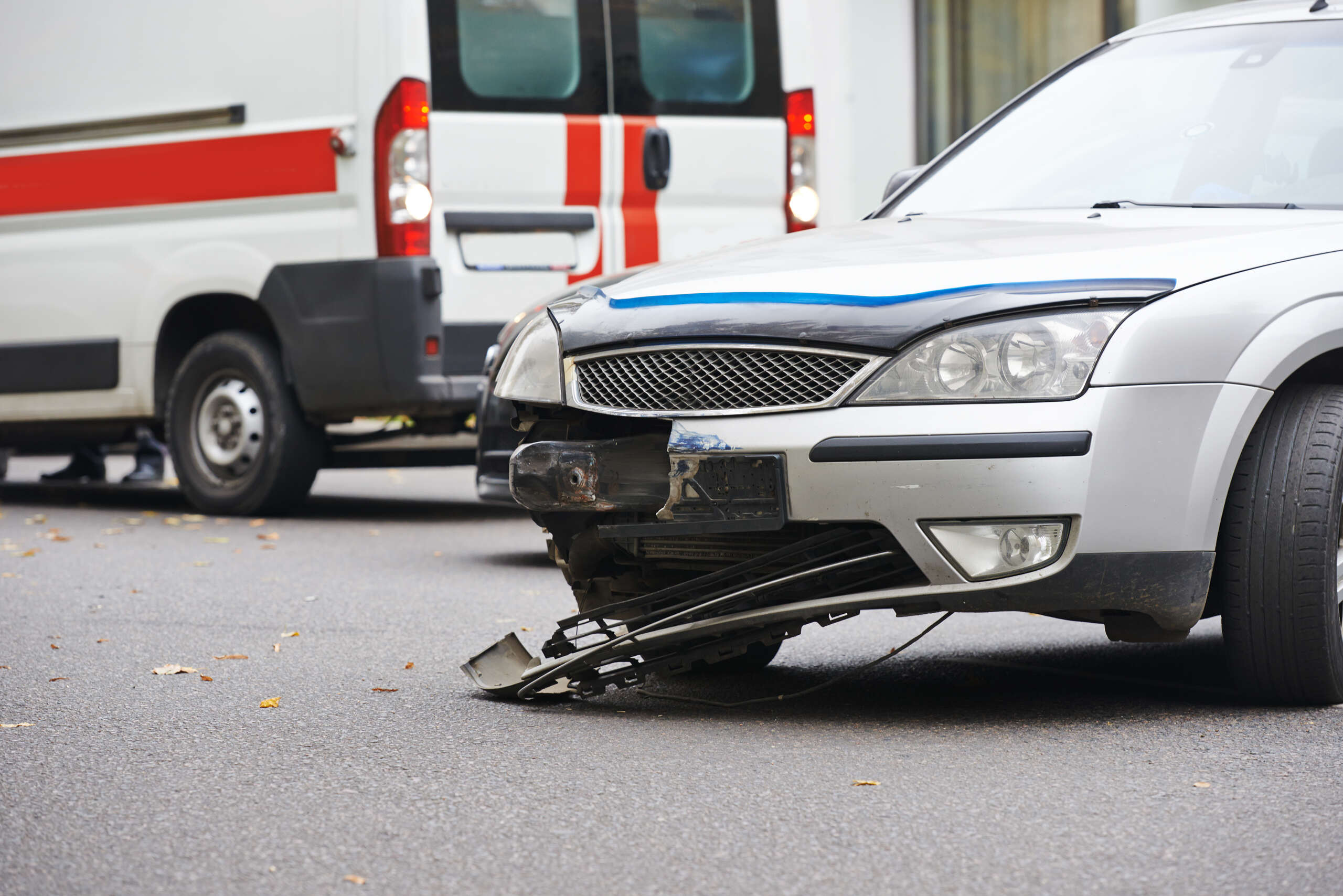
Getting hit by a driver who speeds off leaves you with more than injuries and a damaged car. A hit and run accident claim in Oklahoma comes with its own set of obstacles, since you’re not just proving fault against a known driver, you’re often trying to recover compensation when nobody’s even identified who hit you yet.
Oklahoma City sees its share of hit and run crashes, particularly late at night along entertainment corridors and on residential streets where a driver might assume nobody saw the plate.
If someone fled the scene after hitting you, and you’re left wondering how you’ll pay for medical bills or vehicle repairs, an Oklahoma City car accident attorney can review what evidence exists and what coverage might apply to you at no cost.
Key Takeaways: Hiring a Lawyer After a Hit and Run in OK
- Hit and run cases often depend on your own uninsured motorist coverage rather than the fleeing driver’s insurance, since that driver may never get identified.
- Evidence like traffic camera footage, witness statements, and vehicle debris deteriorates or disappears quickly, making an early investigation valuable.
- Oklahoma law still allows you to pursue compensation even when the at-fault driver is never caught or identified.
- Reporting the crash to police promptly creates documentation that supports both a criminal investigation and any insurance claim you later file.
- Insurance companies sometimes treat hit and run claims with more scrutiny, since there’s no opposing driver’s insurer to help establish what happened.
Why should I hire a hit and run accident attorney?
You should hire a hit and run accident attorney because tracking down an unidentified driver and securing payment through your own insurance both require evidence gathering most people don’t know how to handle alone.
- An attorney can request traffic camera footage and police investigation records before they disappear.
- Uninsured motorist coverage often becomes your main path to compensation, and insurers don’t always process these claims fairly without pushback.
- Building a claim against an unknown driver requires different evidence than a standard crash with two identified parties.
Getting legal guidance early protects both the investigation into the driver and your ability to recover what you’re owed.
Why Does a Hit and Run Accident Claim Require Different Steps Than a Regular Crash?
A hit and run accident claim requires different steps than a regular crash because you’re missing the one thing most claims depend on, a second driver to hold responsible.
Oklahoma law still provides paths to compensation, but they run through different channels than a standard two-car collision claim.
What Makes These Cases Harder to Resolve?
These cases prove harder to resolve because there’s no at-fault driver’s insurance company to file against initially, which shifts the entire claim toward your own policy and whatever evidence law enforcement can gather.
Without a name attached to the crash, everything from proving what happened to identifying a source of payment takes more legwork.
The absence of an opposing insurer also removes a piece of the process most injured drivers never think about, the built-in incentive that normally pushes two insurance companies to negotiate against each other.
In a standard crash, each side’s insurer has some motivation to settle reasonably, since both companies know a dispute could end up in front of a judge or jury. In a hit and run, that dynamic disappears entirely, and you’re left negotiating with your own insurer, who has every incentive to keep the payout as low as possible.
Does It Matter If the Driver Never Gets Identified?
It doesn’t ultimately prevent you from recovering compensation if the driver never gets identified, since Oklahoma law and most auto policies account for exactly this scenario through uninsured motorist coverage. The driver walking away without consequence doesn’t mean you walk away without options.
How Does Uninsured Motorist Coverage Apply to Hit and Run Accidents?
Uninsured motorist coverage for hit and run accidents typically treats an unidentified driver the same way it would treat a driver who carries no insurance at all. This coverage exists specifically for situations where you can’t pursue the responsible party directly.
What Does This Coverage Actually Pay For?
This coverage pays for your medical bills, lost wages, and pain and suffering up to the limits you carry on your own policy, filed against your own insurer rather than the driver who fled. It functions as your primary path to compensation after a hit and run accident claim goes nowhere with an unidentified driver.
Do I Need to Prove the Crash Actually Happened the Way I Described It?
You do need to prove the crash happened as described, even when filing against your own insurer, since uninsured motorist claims still require evidence supporting your account of the accident.
What Evidence Typically Supports Your Account
Police reports, witness statements, and physical evidence from the scene all support this requirement. Insurers review these materials closely before agreeing to pay out under an uninsured motorist claim.
Why Some Insurers Require Physical Contact Evidence
Some insurers go a step further and require what’s called physical contact evidence, meaning some proof the fleeing vehicle actually made contact with yours, particularly in cases where no witness saw the crash happen.
Paint transfer, dents matching another vehicle’s bumper height, or debris left at the scene can all serve this purpose.
Why This Requirement Exists
This requirement exists to prevent fraudulent claims, but it also means a driver who swerves off the road avoiding a phantom vehicle that never actually touched them may face a tougher path to recovery than someone who suffered a direct impact.
Documenting every detail from the scene, even ones that seem minor, helps address this hurdle before an insurer raises it.
What Should You Do Immediately After a Hit and Run Accident?
What to do after a hit and run accident starts with reporting it to police as quickly as possible, since that report becomes the foundation for both a potential criminal investigation and your insurance claim.
The steps you take in the first hours matter more in these cases than in a standard crash with an identified other driver.
Why Does Filing a Police Report Matter So Much Here?
Filing a police report matters immensely in hit and run cases because it creates the official documentation your insurer will require before processing an uninsured motorist claim tied to an unidentified driver.
Without that report, insurers have little basis to accept that a hit and run actually occurred.
Can Witnesses or Nearby Cameras Help Identify the Driver?
Witnesses or nearby cameras can absolutely help identify the driver, and canvassing the area for either becomes one of the most valuable early steps in these cases. Businesses along Oklahoma City streets frequently run security cameras that catch far more than intended, sometimes including a fleeing vehicle’s plate or distinguishing features.
How Long Does Camera Footage Typically Stay Available?
Camera footage typically stays available for a short window, often just days to a couple of weeks, before many systems automatically overwrite older recordings. This is exactly why requesting footage quickly, ideally within the first few days after a hit and run, gives an investigation its best chance of finding something useful.
What Compensation Can You Recover After a Hit and Run Accident?
Compensation after a hit and run accident generally includes medical treatment, lost wages, vehicle repair costs, and pain and suffering, paid primarily through your own uninsured motorist coverage.
Oklahoma law doesn’t reduce what you’re entitled to simply because the at-fault driver was never caught.
What if My Injuries Require Long-Term Treatment?
Long-term treatment needs can still get covered under your uninsured motorist policy, provided your coverage limits are sufficient to address the full scope of your medical costs. Reviewing your policy limits early helps you understand whether additional coverage sources, like an umbrella policy or a household member’s coverage, might also apply.
Does Vehicle Damage Get Covered Too?
Vehicle damage from a hit and run typically gets covered through your own collision coverage, assuming you carry it, since uninsured motorist coverage in Oklahoma often applies primarily to bodily injury rather than property damage.
Reviewing your specific policy terms clarifies which coverage applies to your vehicle repairs.
Keep in mind that collision coverage usually comes with its own deductible, meaning you’ll pay a set amount out of pocket before your insurer covers the remaining repair cost. Some drivers carry a separate endorsement that waives this deductible specifically for hit and run incidents, though this varies significantly by insurer and policy.
Checking your declarations page for this detail before assuming you’ll owe a deductible can save you an unwelcome surprise during the repair process.
What if the Driver Gets Identified Later?
The driver getting identified later opens up the option to pursue a claim against their own liability insurance instead of, or in addition to, your uninsured motorist coverage. Police sometimes make an arrest weeks or months after a hit and run, particularly when camera footage or a witness tip eventually leads to an identification.
What Steps Can Strengthen a Hit and Run Investigation?
Several steps can help strengthen a hit and run investigation and support your claim, regardless of whether the driver ever gets identified.
Record What You Remember Right Away
Writing down every detail you remember about the fleeing vehicle, including color, approximate make, damage, or partial plate information, while memory is still fresh. Details tend to fade quickly, so capturing them within the first day matters.
Stay in Contact with Police
Requesting the police report number and following up periodically to check on the status of the investigation keeps you informed and shows continued interest in the case. Investigations sometimes move slowly, and following up can occasionally prompt renewed attention.
Document Physical Evidence
Photographing your own vehicle damage and any debris left at the scene, since paint transfer or vehicle parts sometimes help identify the make and model involved. This evidence can matter later even if it seems minor at the time.
Check for Nearby Camera Coverage
Asking nearby businesses whether they have security camera coverage of the street or parking area where the crash happened often turns up footage most people wouldn’t think to request on their own.
| Summary: Strengthening Your Investigation | |
|---|---|
| Action Step | Strategy |
| Immediate Recall | Write down details such as vehicle color, make, and partial plate numbers while your memory remains clear. |
| Police Liaison | Secure a report number and follow up regularly with officers to ensure the investigation stays active. |
| Evidence Preservation | Take clear photos of your vehicle damage and any scene debris, as these are vital for identification. |
| Surveillance Search | Ask local businesses for security camera footage promptly, as these systems often overwrite files quickly. |
Why Does Working with an Attorney Matter in a Hit and Run Case?
Working with an attorney matters in a hit and run case because pursuing your own insurer for uninsured motorist benefits often turns more adversarial than people expect, given that your insurance company has a financial interest in minimizing what they pay.
An attorney knowledgeable in how these claims typically unfold can push back when an insurer questions whether the hit and run actually happened as described.
An attorney can also help track down evidence that most people wouldn’t think to request, including subpoenaing traffic camera footage from city intersections or following up directly with police on the status of an investigation that’s gone quiet.
This kind of persistent follow-through often makes the difference between a stalled case and one that eventually identifies the responsible driver or secures a fair settlement through your own coverage.
Frequently Asked Questions About Hit and Run Accident Claims in OK
Do I still need to file a police report if I don’t think the driver will ever be found?
Yes, filing a police report matters regardless of whether the driver gets identified, since your insurance company will require that documentation before processing any uninsured motorist claim. The report also keeps the door open in case new evidence surfaces later.
Can I recover compensation if I was a pedestrian or cyclist hit by a driver who fled?
Yes, pedestrians and cyclists can pursue uninsured motorist coverage after a hit and run, either through their own auto policy or a household member’s policy if one is available. Coverage details vary depending on the specific policy language, so reviewing your options early matters.
What if the hit and run happened in a parking lot and there were no witnesses?
Parking lot hit and run cases without witnesses still qualify for uninsured motorist claims, provided you report the incident to police and document the scene as thoroughly as possible. Store security footage sometimes fills in gaps that witnesses would have otherwise provided.
Will my insurance rates go up after filing an uninsured motorist claim for a hit and run?
Generally, no, since Oklahoma insurers typically don’t raise rates for claims where the policyholder wasn’t at fault, though practices vary by company. Confirming this with your specific insurer or agent provides clarity for your situation.
How long do I have to file a hit and run accident claim in Oklahoma?
Oklahoma generally allows two years from the date of the crash to pursue a personal injury claim, though your own insurance policy may include separate notice requirements worth confirming early. Reporting the crash and contacting your insurer promptly protects your ability to recover under these deadlines.
Talk to Branch & Dhillon, P.C. About Your Hit and Run Accident Claim
If a driver hit you and fled the scene in Oklahoma City, and you’re not sure how you’ll cover medical bills or vehicle repairs, call us at 405-237-8107 for a free case evaluation.
We’ll review the evidence available, identify what coverage applies to your situation, and follow through on tracking down the responsible driver where possible. You won’t owe us anything unless we recover money for you.
Branch & Dhillon, P.C. 201 Robert S. Kerr Ave Ste 905, Oklahoma City, Oklahoma 73102