

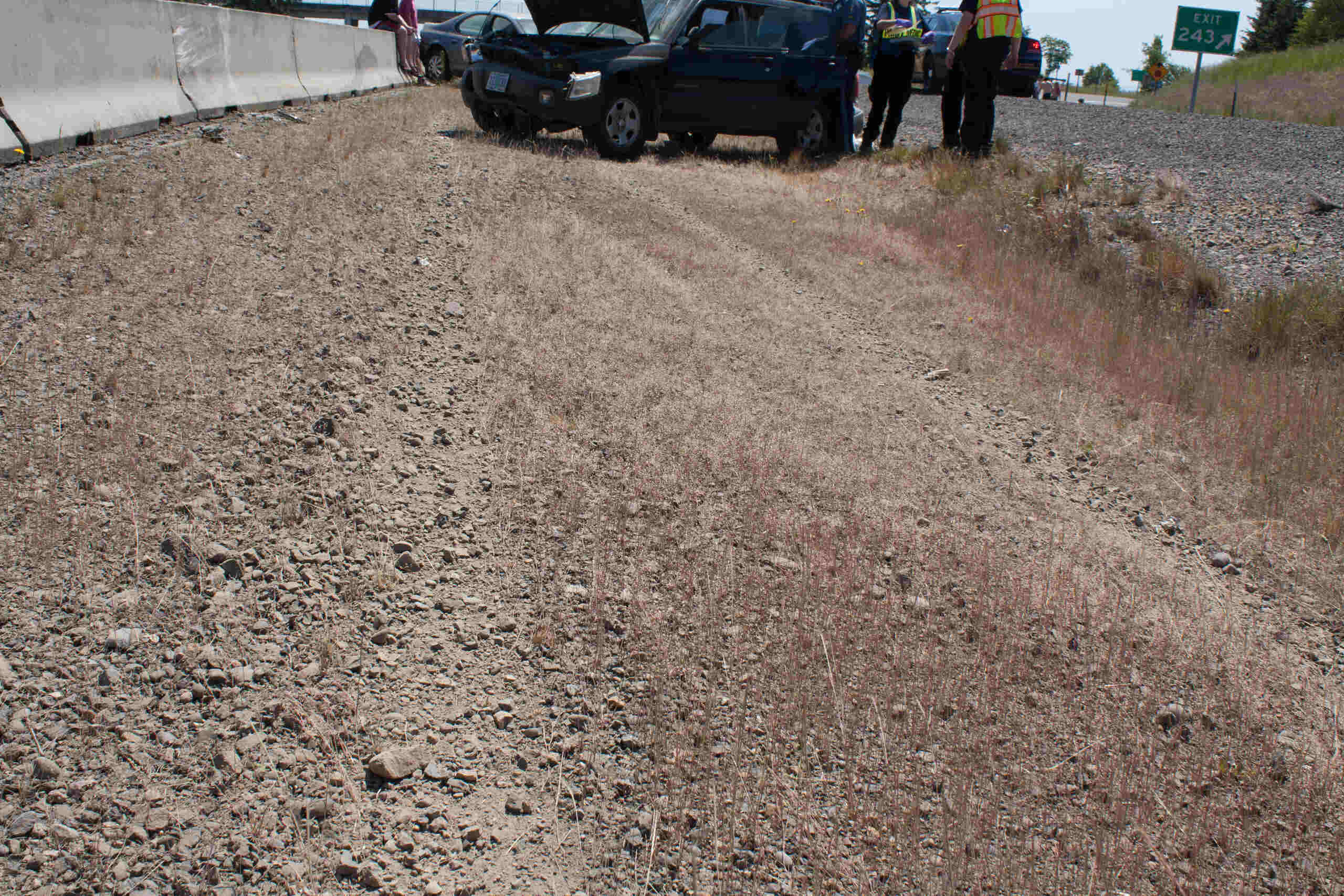
A pothole doesn’t announce who’s responsible for it, and neither does a chunk of tire debris sitting in the middle of I-40. Road hazard car accident liability in Oklahoma often depends on facts most drivers never think to investigate, like how long a hazard existed before it caused a crash and who had a legal duty to fix it.
If a road hazard caused your crash and you’re now wondering who actually owes you compensation, an Oklahoma City car accident attorney can review the hazard and the responsible parties with you at no cost.
Key Takeaways: Car Accidents Caused by Road Hazards in OK
- Government entities can be held liable for road hazards, but Oklahoma’s notice requirements for these claims are stricter and shorter than standard deadlines.
- Proving a government entity knew about a hazard, rather than just that it existed, is usually the central issue in these claims.
- Contractors working on road construction can carry separate liability for hazards created by their own work zones.
- Other drivers can be responsible when their vehicle drops debris or unsecured cargo that causes a crash.
- Weather-related hazards like ice or flooding don’t automatically shift liability away from an entity that failed to address a known dangerous condition.
Who is Liable for a Road Hazard Accident in Oklahoma?
Liability for a road hazard accident depends on who owns, maintains, or created the hazard that caused your crash. This requires identifying the specific responsible party before you can pursue compensation. These cases differ from most car accident cases, where liability usually points to another driver right away.
Can You Sue a City or State Agency for a Pothole?
You can sue a city or state agency for a pothole or similar road hazard, provided you can show the agency knew about the hazard and failed to address it within a reasonable time. This standard, called constructive or actual notice, forms the center of most claims against a government entity.
Oklahoma City’s older residential streets and certain stretches of state highway tend to generate more of these disputes than newer roadway, simply because aging pavement develops potholes and surface breaks faster than a maintenance schedule can always keep up with.
A hazard on a road that’s already known for surface problems can actually work in your favor, since a documented history of complaints in that area makes it harder for an agency to claim they had no idea a dangerous condition existed.
What Does It Mean to Prove the Government Knew About a Hazard?
Proving the government knew about a hazard means showing they either received a complaint about it, generated an internal report noting it, or that the hazard existed long enough that reasonable maintenance practices should have caught it. Simply proving a pothole existed isn’t enough on its own.
Road hazard car accident liability against a government entity often hinges on maintenance logs, prior complaint records, or 311 service requests filed by other drivers before your crash happened. These records sometimes reveal a hazard sat unaddressed for weeks or months, which significantly strengthens a claim.
Learn which high-traffic highways and busy local intersections account for the majority of vehicle crashes in Oklahoma City.
How Are Government Claims Different from Regular Injury Claims?
Government claims work differently from regular injury claims because Oklahoma’s Governmental Tort Claims Act requires written notice within a much shorter window than the standard two-year statute of limitations for other injury cases. This distinct process trips up more people than almost any other part of a road hazard case.
What is the Governmental Tort Claims Act?
The Governmental Tort Claims Act is Oklahoma’s law governing how and when you can sue a government entity, requiring formal written notice of your claim well before you can file a lawsuit. This notice period is typically measured in months, not years, making early action essential if a government-maintained road caused your crash.
The law exists partly to give government agencies a chance to investigate and respond to claims before facing a lawsuit, and partly to limit the financial exposure taxpayers face from these kinds of cases.
Whatever the underlying reasoning, the practical effect is the same for an injured driver, the clock moves faster than most people expect. Treating a government road hazard claim the same way you’d treat a claim against another driver’s insurance can cost you your entire case.
What Happens if You Miss the Notice Deadline?
Missing the notice deadline for a government claim generally bars you from pursuing compensation from that agency altogether, regardless of how strong your evidence of negligence might otherwise be.
This makes confirming the applicable deadline one of the very first things worth doing after a road hazard accident involving a public roadway.
Who is Liable for a Road Hazard Accident Caused by Construction?
Who is liable for a road hazard accident caused by construction typically comes down to the contractor performing the work, since construction companies carry a duty to properly mark, barricade, and maintain safe conditions around their work zones.
This liability exists separately from any government agency that hired the contractor.
What Duties Do Construction Companies Owe Drivers?
Construction companies owe drivers a duty to use proper signage, barriers, and lighting around any hazard created by their work, along with promptly repairing surfaces they’ve disturbed. Missing cones, inadequate lighting at night, or an unmarked drop off from unfinished paving work all point toward contractor negligence.
Can Both the Contractor and the Government Share Liability?
Both the contractor and the government agency can share liability for a construction-related road hazard, particularly when the agency failed to properly oversee the contractor’s work or approved unsafe conditions.
This layered liability often requires reviewing contracts between the agency and contractor to determine how responsibility gets divided.
What if Road Debris from Another Vehicle Caused Your Crash?
Road debris car accident claims typically point to the vehicle owner or driver whose cargo, tire, or unsecured load caused the hazard on the roadway. This scenario shifts liability away from a government entity entirely and back toward a standard driver-versus-driver framework.
How Do You Identify the Vehicle That Dropped the Debris?
Identifying the vehicle that dropped debris often requires witness accounts, nearby traffic camera footage, or physical evidence from the debris itself, such as a company logo or identifying marks on cargo. Without this identification, pursuing compensation becomes considerably more difficult.
Trucking and commercial vehicles carry a heightened duty to secure their loads properly, and Oklahoma law holds companies responsible when improperly secured cargo falls and causes a crash. Requesting a commercial carrier’s loading and securement logs, if identifiable, can support this type of claim.
Does Weather Change Who is Liable for a Road Hazard?
Weather doesn’t automatically shift liability away from an entity responsible for maintaining a road, even when ice, flooding, or debris from a storm contributed to the hazard. Liability for accidents caused by unsafe road conditions still depends on whether the responsible party had reasonable time to address the danger before your crash happened.
What if Ice Formed on a Bridge or Overpass?
Ice forming on a bridge or overpass doesn’t excuse a government agency from liability if they knew about a pattern of icing at that location and failed to apply proper treatment or warning signage.
Bridges and overpasses freeze faster than surrounding roadway, a well known phenomenon that maintenance crews are expected to account for during freezing weather.
Can Flooding on a Roadway Create a Liability Claim?
Flooding on a roadway can create a liability claim if the responsible agency knew about a drainage problem or low water crossing prone to flooding and failed to install adequate warning signs or barricades. Oklahoma’s heavy spring rains make this a recurring issue on certain low lying roads throughout the Oklahoma City area.
What Steps Help Support a Road Hazard Accident Claim?
Several steps can help support a road hazard accident claim once you’ve received medical attention and are safely away from the scene.
Photograph the Hazard Right Away
Photographing the hazard itself, along with the surrounding road conditions, signage, or lack of signage, as soon as safely possible after the crash. Road crews often repair hazards within days, so this window matters.
Request the Police Report
Requesting a copy of the police report matters, since officers often note the specific hazard that contributed to the crash in their initial assessment. This documentation becomes a foundation for identifying what caused your accident.
Check for Prior Complaints
Checking for prior complaints or 311 service requests about the same hazard, which can sometimes be found through public city records, helps establish how long the danger existed before your crash.
Note the Exact Location
Writing down the exact location, including nearby landmarks or mile markers, since road hazards get repaired quickly and the physical evidence may not last. Precise location details help connect your claim to any prior records tied to that same spot.
| Action | Why It Matters |
|---|---|
| Document with Photos | Captures essential evidence of the hazard and its surroundings before quick road repairs can destroy the scene. |
| Obtain Official Police Report | Provides an authoritative record of the incident and officially identifies the hazard that contributed to the crash. |
| Research Prior Complaints | Identifies if the hazard was previously flagged through public records (e.g., 311 requests), which can prove the entity knew of the danger. |
| Record Precise Location | Ensures your claim can be accurately tied to existing maintenance logs and historical complaints before physical evidence is lost. |
Why Does Working with an Attorney Matter in Road Hazard Cases?
Working with an attorney matters in road hazard cases because identifying the correct responsible party, and meeting strict government notice deadlines, requires moving quickly and knowing exactly which records to request.
Meeting Government Notice Deadlines
An attorney knowledgeable in Oklahoma’s Governmental Tort Claims Act can file the required notice within the applicable window, something that’s easy to miss without knowing this deadline exists separately from the standard statute of limitations.
Missing this window can end a valid claim before it ever gets a fair look.
Requesting Records Most People Wouldn’t Know to Ask For
An attorney can also request maintenance records, prior complaint logs, and contractor agreements that most people wouldn’t know how to obtain on their own. This kind of documentation often makes the difference between a claim that gets dismissed for lack of proof and one that clearly establishes how long a hazard existed before it caused your crash.
Sorting Out Multiple Responsible Parties
Road hazard claims also frequently involve more than one potentially responsible party working together, a government agency that owns the road, a private contractor performing maintenance, and possibly a separate entity responsible for inspections.
Sorting out how liability divides between these parties, rather than assuming only one of them bears responsibility, often changes both the strength of a claim and the total compensation available.
Avoiding Overlooked Defendants
An attorney reviewing contracts and jurisdictional boundaries early helps ensure no responsible party gets overlooked simply because they weren’t the most obvious one at first glance.
Frequently Asked Questions About Road Hazard Car Accident Claims
Can I still file a claim if the pothole that caused my crash has since been repaired?
Yes, a repaired hazard doesn’t prevent you from pursuing a claim, since photographs, the police report, and any prior complaint records can still establish what the road condition looked like at the time of your crash. Documenting the hazard as soon as possible after your accident matters precisely because repairs often happen quickly.
What if the road hazard was on a private parking lot rather than a public street?
A road hazard on private property, like a poorly maintained parking lot, generally falls under premises liability rather than the Governmental Tort Claims Act, meaning different deadlines and procedures apply. Identifying whether a hazard sits on public or private property is one of the first things worth confirming in these cases.
Does it matter if I was speeding when I hit the road hazard?
Your speed at the time of the crash can factor into an Oklahoma comparative negligence analysis, potentially reducing your compensation if you were found partly at fault. This doesn’t eliminate a legitimate claim against a negligent government agency or contractor, but it can affect the final settlement amount.
Can I pursue a claim if debris fell from a commercial truck rather than a regular vehicle?
Yes, commercial trucking companies carry specific legal duties to secure their cargo properly, and Oklahoma law holds them responsible when improperly secured loads cause road hazards. These claims often involve additional insurance coverage beyond what a standard driver would carry.
How long do I have to file a claim if a government agency’s road hazard caused my crash?
Claims against Oklahoma government entities require formal written notice much sooner than the standard two-year deadline for other injury claims, sometimes within just a few months of the incident. Confirming this specific deadline as soon as possible protects your ability to pursue compensation at all.
Talk to Branch & Dhillon, P.C. About Your Road Hazard Accident Claim
If a pothole, construction hazard, or road debris caused your crash in Oklahoma City, call Branch & Dhillon, P.C. at 405-237-8107 for a free case evaluation.
We’ll identify who’s actually responsible, meet any applicable notice deadlines, and pursue every available source of compensation, and you won’t owe us anything unless we recover money for you.
Branch & Dhillon, P.C. 201 Robert S. Kerr Ave Ste 905, Oklahoma City, Oklahoma 73102