

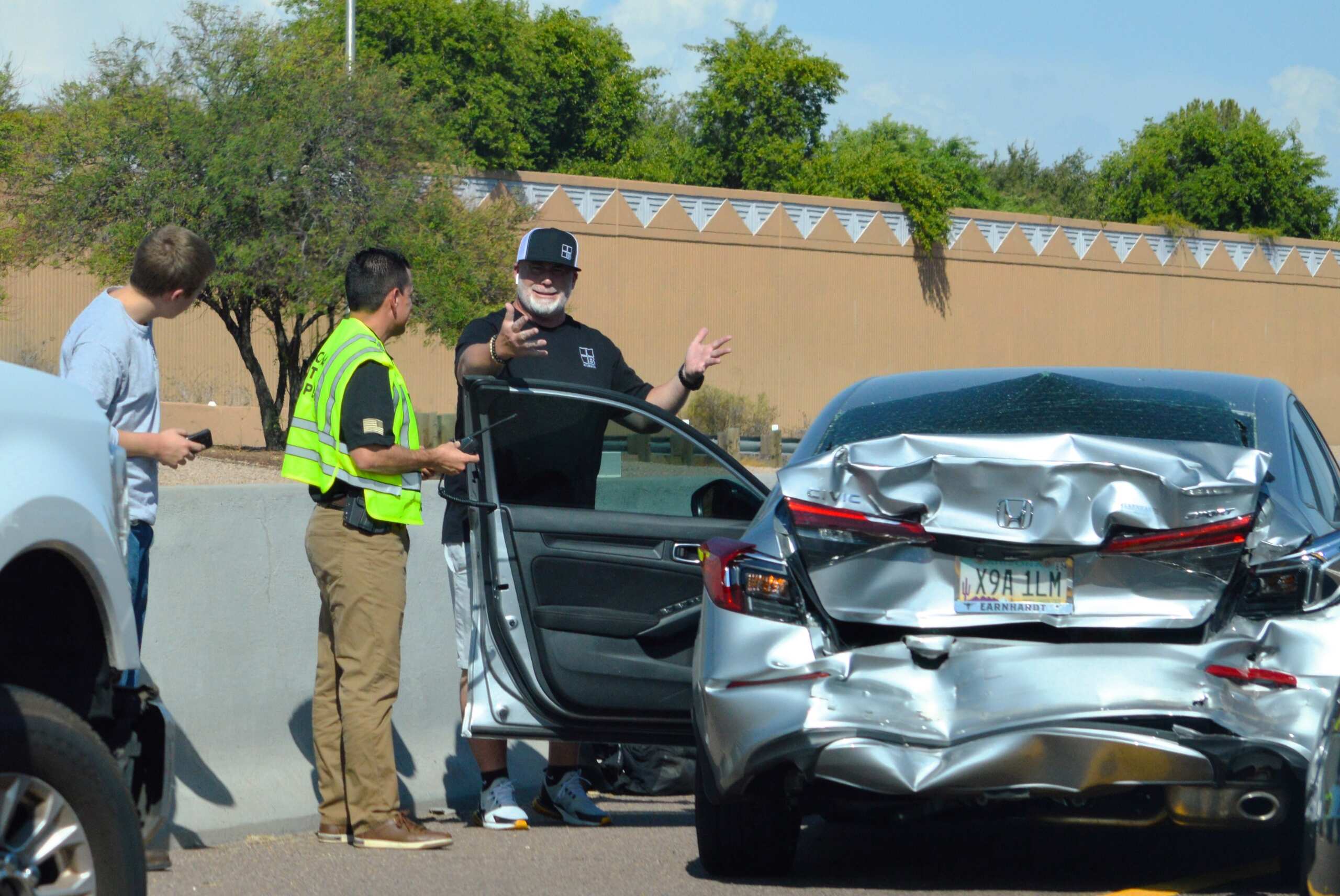
Feeling fine right after a crash doesn’t mean your body came through it unharmed. A medical exam after a car accident catches what adrenaline is currently hiding from you, whether that’s a mild concussion, a herniated disc, or bleeding that hasn’t caused pain yet.
If someone else caused your crash and you’re now dealing with symptoms that showed up later, or you’re simply unsure whether you should have gotten checked out, an Oklahoma City car accident attorney can walk through your situation with you at no cost.
Key Takeaways: Getting Medical Care After a Car Accident in OK
- Adrenaline and shock can suppress pain signals for hours after a crash, creating a false sense of being unharmed.
- Soft tissue injuries, concussions, and certain internal injuries commonly produce delayed symptoms rather than immediate ones.
- A prompt medical exam creates a timestamped record linking your condition directly to the crash, which matters if symptoms worsen later.
- Waiting to seek treatment can give an insurance company grounds to argue your injury came from something other than the accident.
- Even a normal-feeling recovery benefits from a baseline medical evaluation, since some injuries only reveal themselves through imaging or specialist testing.
Why Do I Need a Medical Exam After a Car Accident If I Feel Fine?
You need a medical exam after a car accident even if you feel fine because your body’s stress response can hide injury symptoms for hours or days after the crash. This isn’t a hypothetical caution, it’s how the human nervous system actually responds to sudden trauma.
How Does Adrenaline Hide Injuries?
Adrenaline hides injuries by flooding your system with chemicals that block pain signals and heighten alertness, both of which helped your ancestors survive dangerous situations by pushing through pain temporarily. That same response now works against you after a car crash, masking symptoms your body would otherwise flag immediately.
This is why so many people climb out of a wrecked car, look at the damage, and say they feel completely normal, only to feel stiff, sore, or foggy the following morning once that adrenaline wears off.
The chemical flood involved, mostly adrenaline and cortisol, can stay elevated for several hours after a crash, which explains why that first conversation with a police officer or the other driver often happens while you’re still operating on a kind of biological autopilot.
By the time your body settles back into its normal rhythm, hours or even a full day may have passed, and that’s often exactly when stiffness, headaches, or sharp pain finally announce themselves.
What Injuries Commonly Show Delayed Symptoms?
Whiplash, concussions, and certain spinal injuries commonly show delayed symptoms rather than appearing immediately after impact.
- Whiplash: Whiplash, a neck injury caused by rapid back and forth movement, often doesn’t produce stiffness or pain until 24 to 48 hours after the crash.
- Concussions: Concussions can present as mild headache or fogginess at first, then progress to more concerning symptoms like confusion or nausea over the following days.
- Herniated Discs: Herniated discs sometimes cause only mild discomfort initially, worsening gradually as inflammation builds around the injured area.
- Soft Tissue Injuries: Soft tissue injuries to muscles and ligaments can feel like minor stiffness at first, then tighten into sharper pain once swelling sets in over the following day or two.
This delayed pattern is exactly why a same-day medical exam matters, since it catches injuries before they’ve had a chance to fully announce themselves.
Can Internal Injuries Really Go Unnoticed at First?
Internal injuries can genuinely go unnoticed at first, since organs and internal bleeding don’t always produce immediate, obvious pain the way a visible cut or broken bone would.
Hidden injuries after a car accident sometimes involve exactly this kind of internal trauma, which is part of why emergency room evaluations often include imaging even when a patient reports feeling okay.
A seatbelt that prevented a more catastrophic outcome can still cause bruising to internal organs from the force of sudden deceleration, and that bruising doesn’t always announce itself with pain right away.
Spleen and kidney injuries in particular can bleed slowly over several hours, sometimes not producing noticeable abdominal pain until blood loss has already become significant.
This is one of the main reasons emergency room providers take seatbelt bruising, steering wheel impact, or any reported abdominal discomfort seriously, even when a patient insists they feel fine walking in the door.
What Happens During a Post-Accident Medical Exam?
A post-accident medical exam typically involves a physical evaluation, a review of your symptoms and crash details, and often imaging like X-rays or a CT scan depending on what the examining provider observes. This process looks different depending on where you seek care and how the crash occurred.
What Should I Expect at the Emergency Room or Urgent Care?
You should expect a physical exam, a discussion of how the crash happened, and possibly imaging tests at the emergency room or urgent care, particularly if you mention any head impact, neck pain, or loss of consciousness. Providers in these settings are trained specifically to catch injuries that patients themselves might dismiss as minor.
Expect the provider to ask specific questions about the direction of impact, whether your airbags deployed, and whether you briefly lost consciousness or felt disoriented, even for a moment. These details help a doctor decide which imaging or specialist referrals make sense, since a rear impact tends to raise different concerns than a T-bone or head-on collision.
Answering these questions as completely as possible, rather than downplaying what happened, gives the provider the clearest picture to work from.
Why Does Timing Matter for a Medical Exam?
Timing matters for a medical exam because getting checked out soon after the crash creates a clear, contemporaneous record linking any diagnosed injury directly to the accident date.
Why you need a medical exam after a car accident becomes obvious the moment an insurance adjuster starts questioning whether your pain actually came from the crash or from something else entirely.
Waiting several days or weeks to seek treatment gives an insurer room to argue that your injury developed independently, from work, from another incident, or simply from normal wear and tear. A same-day or next-day exam removes much of that argument before it can even start.
Additionally, Oklahoma allows you only two years from the date of the accident to file an injury claim in court. Missing this deadline bars you from recovering compensation.
What if I Don’t Have Health Insurance?
Not having health insurance doesn’t mean you should skip a post-accident medical exam, since many providers work on a lien basis for accident-related injuries, deferring payment until a claim resolves.
This arrangement lets you get evaluated without paying out of pocket immediately, though the specific terms vary by provider.
How Do Delayed Symptoms Affect an Injury Claim?
Delayed symptoms after a car accident can complicate an injury claim if there’s a long gap between the crash date and your first medical visit, since that gap gives an insurance company an opening to dispute causation. Addressing this reality early protects the value of your claim down the road.
Why Do Insurance Companies Question Delayed Symptoms?
Insurance companies question delayed symptoms because a time gap between the crash and your first treatment creates uncertainty about what actually caused your injury.
Adjusters are trained to look for exactly this kind of gap, since it gives them a reasonable basis to argue your condition resulted from something unrelated to the accident.
This doesn’t mean a delayed diagnosis destroys your claim, but it does mean the medical documentation surrounding that delay becomes especially important. A doctor’s notes explaining that your symptoms are consistent with a crash injury, even though they appeared later, can address this concern directly.
What if My Symptoms Started a Week After the Crash?
Symptoms starting a week after the crash don’t automatically disqualify your claim, but they do require clear medical documentation connecting the delayed onset back to the accident itself. Seeking care as soon as symptoms appear, rather than waiting to see if they resolve on their own, strengthens that connection considerably.
What Practical Steps Should I Take After Feeling Fine Following a Crash?
A few practical steps can help protect both your health and your ability to pursue compensation if it turns out you were injured after all.
Get a Baseline Evaluation Early
Scheduling a medical evaluation within a day or two of the crash, even without obvious pain, establishes a record close to the incident date. This baseline matters later if symptoms develop, since it shows exactly how you presented right after the crash.
Document the Crash Details While They’re Fresh
Writing down details about the crash itself, including impact speed, direction, and any brief symptoms noticed at the scene, helps a doctor connect your evaluation to the specific event. Memory fades quickly, so capturing this soon after the crash matters.
Stay Alert to New Symptoms
Following up with your doctor if any new symptom appears in the days or weeks after your initial exam keeps your medical record current and connected to the crash.
Keep Every Record Organized
Keeping copies of every medical record, bill, and imaging result related to the crash creates documentation that supports a claim if one becomes necessary later.
Bring this documentation to an attorney consultation, since a fuller medical picture makes it easier to understand what a case might actually be worth.
| Step | Action | Why It Matters |
|---|---|---|
| Baseline Evaluation | Schedule a medical exam within 24 to 48 hours. | Creates a timestamped record linking health to the crash date. |
| Document Details | Record impact speed, direction, and scene symptoms. | Helps providers connect the evaluation to specific crash events. |
| Monitor Symptoms | Alert your doctor if any new symptoms surface later. | Maintains an updated record tied to the original incident. |
| Organize Records | Save all bills, medical reports, and imaging. | Provides evidence for a claim and aids in assessing case value. |
Discover how courts and insurance companies calculate non-economic compensation for physical pain, emotional distress, and reduced quality of life after an accident.
Why Does Working with an Attorney Matter Even When Injuries Seem Minor?
Working with an attorney matters even when injuries seem minor because insurance companies routinely use an early feeling of being fine against injured drivers later, once symptoms surface and a claim gets filed.
An attorney who knows how these delayed injury disputes typically unfold can help make sure your medical documentation tells a complete, connected story from the crash date forward.
This becomes especially relevant if your symptoms worsen weeks after the crash, since insurers sometimes argue that a person who didn’t seek treatment right away couldn’t have been seriously hurt in the first place.

Having legal guidance early, even before you know the full extent of an injury, helps protect your position if that argument comes up later in negotiations. This kind of guidance also helps with a separate problem that comes up constantly in these cases, deciding when to accept a settlement offer versus waiting until your treatment has run its full course.
Settling too early, before doctors know whether your injury has fully resolved or will require ongoing care, risks accepting far less than a claim is ultimately worth. An attorney familiar with how these delayed presentation cases typically resolve can help you judge that timing rather than guessing at it alone.
Frequently Asked Questions About Medical Care Following a Car Crash
Should I still see a doctor if the police didn’t think anyone was hurt at the scene?
Yes, an officer’s on-scene assessment isn’t a medical diagnosis, and plenty of injuries simply aren’t visible or apparent within minutes of a crash. Seeking a medical exam regardless of what was noted at the scene protects both your health and your documentation.
What if the other driver’s insurance says I waited too long to see a doctor?
An insurer raising this argument doesn’t automatically defeat your claim, particularly if your doctor can explain that your symptoms are medically consistent with a delayed presentation common to certain injury types. Documentation explaining the medical reasoning behind a delayed diagnosis often addresses this dispute directly.
Can a chiropractor count as the medical exam I need after a crash?
A chiropractor can be part of your care, but an initial exam from a medical doctor, urgent care provider, or emergency room is generally more thorough for ruling out concussions, internal injuries, or fractures. Many people combine both types of care depending on what symptoms develop over time.
What if I already told the insurance company I was fine before symptoms appeared?
An early statement that you felt fine doesn’t prevent you from pursuing a claim once symptoms develop, since insurers understand that initial statements often reflect the adrenaline-driven moments right after a crash. Documenting the timeline of when symptoms actually appeared helps clarify this discrepancy if it comes up later.
How soon after a crash should I get checked out if I feel completely normal?
Seeking a medical evaluation within 24 to 72 hours of a crash is generally recommended, even without noticeable pain, since this window covers when many delayed symptoms typically emerge. Getting checked sooner rather than later gives you the clearest possible medical record tied to the incident.
Talk to Branch & Dhillon, P.C. If Symptoms Showed Up After Your Crash
If you felt fine after a car accident in Oklahoma City and now you’re dealing with pain, stiffness, or symptoms that didn’t show up until later, call Branch & Dhillon, P.C. at 405-237-8107 for a free case evaluation.
We’ll review your medical records, help you understand what your documentation actually supports, and make sure a delayed diagnosis doesn’t get used against you, and you won’t owe us anything unless we recover money for you.
Branch & Dhillon, P.C. 201 Robert S. Kerr Ave Ste 905, Oklahoma City, Oklahoma 73102