

Many drivers misunderstand how fault is determined in rear-end collisions, which can lead to costly mistakes that affect their right to compensation. While the trailing driver is often presumed responsible for keeping a safe distance, liability in Texas can be more complicated.
Factors such as sudden stops, multiple vehicles, or mechanical issues often play a role. An experienced car accident attorney can carefully investigate these circumstances and challenge assumptions about fault.
If you were injured in a rear-end collision in Arlington or Tarrant County, Branch & Dhillon is ready to build your case and pursue maximum compensation. Call (817) 533-3430 for a free consultation about your accident.
Key Takeaways About Rear-End Collision Liability
- Under Texas law, drivers must maintain a safe following distance, and while courts often presume the rear driver is negligent if this rule is broken, that presumption can be challenged.
- Multiple factors including brake light failures, sudden lane changes, and chain reactions create shared liability scenarios requiring thorough investigation.
- Comparative fault rules in Texas allow recovery even when partially at fault, as long as your responsibility doesn’t exceed 50% of the accident.
- Evidence from witnesses, traffic cameras, and vehicle damage patterns proves vital for establishing actual fault versus assumed responsibility.
- Insurance companies often accept presumed fault without investigating exceptions, making legal representation important for fair compensation.
How Our Arlington Car Accident Lawyers Prove Fault in Rear-End Collisions

Branch & Dhillon brings aggressive investigation and deep knowledge of Texas traffic laws to rear-end collision cases throughout Arlington and Tarrant County.
Our car accident attorneys understand that insurance companies rely on presumptions rather than facts, often assigning fault incorrectly to minimize their payouts. We challenge these assumptions through detailed accident reconstruction, witness testimony, and evidence that reveals the true cause of rear-end crashes.
Every rear-end collision deserves a careful investigation that goes beyond the usual assumptions about fault. Our team examines factors insurance adjusters ignore, from road conditions on Interstate 20 to visibility issues at Arlington intersections.
We know that establishing accurate fault determinations affects not just compensation amounts but also insurance rates and driving records for years to come.
How to Challenge Rear-End Collision Fault Presumptions With Evidence in Texas
Branch & Dhillon employs comprehensive strategies to uncover actual fault in rear-end accidents rather than accepting default assumptions. We obtain traffic camera footage from TxDOT and Arlington traffic management systems, analyze vehicle computer data showing brake application timing, and document road hazards or construction zones affecting stopping distances.
Our investigation often reveals contributing factors that shift or share liability. When lead drivers cut off others on Highway 360 or slam brakes without cause on Cooper Street, their negligence contributes to accidents. We build cases showing how these actions violate Texas traffic laws and create unavoidable collision scenarios for following drivers.
The Basic Presumption of Fault in Texas Rear-End Accidents
Texas law establishes a rebuttable presumption that rear drivers cause rear-end collisions by following too closely or failing to maintain proper lookout. The Texas Transportation Code Section 545.062 requires drivers to maintain assured clear distances between vehicles, allowing sufficient space to stop safely when traffic slows. This presumption exists because rear drivers have the last clear chance to avoid collisions by maintaining appropriate following distances.
Courts apply this presumption because trailing drivers are responsible for keeping a safe distance and adjusting to changing traffic conditions. The vehicle ahead might stop for numerous legitimate reasons including traffic signals, pedestrians, or emergencies. Rear drivers must anticipate these possibilities and maintain distances allowing safe stops regardless of why leading vehicles brake.
When the Front Driver Is at Fault in a Texas Rear-End Collision
The presumption that the rear driver is at fault serves only as a starting point and not an absolute rule for determining liability. Texas courts allow rear drivers to rebut this presumption by presenting evidence that the lead driver’s negligence was the proximate cause of the collision.
To succeed, the evidence must show more than sudden braking. It must establish that the lead driver engaged in unreasonable or unlawful conduct.
Insurance companies often rely on the simplicity of this presumption instead of investigating more complex questions of fault. They quickly assign blame to rear drivers without considering whether the lead driver’s negligence contributed to the accident.
This practice reduces costs for insurers but unfairly denies compensation to victims in cases involving shared fault or lead driver misconduct.
Exceptions Where the Front Driver Bears Fault
In some situations, lead drivers bear primary or shared responsibility for rear-end collisions despite the general presumption favoring them. Understanding these exceptions helps accident victims recognize when they have stronger cases than insurance companies suggest. A skilled car accident attorney investigates these possibilities rather than accepting default fault assignments.
Sudden lane changes without signaling create unavoidable collision scenarios for drivers maintaining safe distances in their original lanes. When vehicles merge into spaces too small for their size or speed, following drivers have no opportunity to create safe distances. These aggressive maneuvers on Arlington highways and surface streets violate Texas traffic laws and create front driver liability.
How Brake Light Failures and Vehicle Malfunctions Affect Rear-End Accident Liability
Non-functioning brake lights prevent following drivers from receiving adequate warning when vehicles slow or stop. Texas law requires maintaining working brake lights precisely because they provide vital communication between vehicles.
When these safety devices fail and cause collisions, vehicle owners bear responsibility for resulting accidents. Common front driver negligence scenarios include:
- Reversing suddenly at intersections or in parking lots without checking behind
- Stopping in active traffic lanes for non-emergency reasons
- Failing to move disabled vehicles from travel lanes when possible
- Road rage brake checking to intimidate following drivers
These actions violate Texas traffic laws and create liability, even in situations where rear drivers are usually presumed at fault.
Who Is Liable in Texas Chain Reaction Rear-End Collisions?
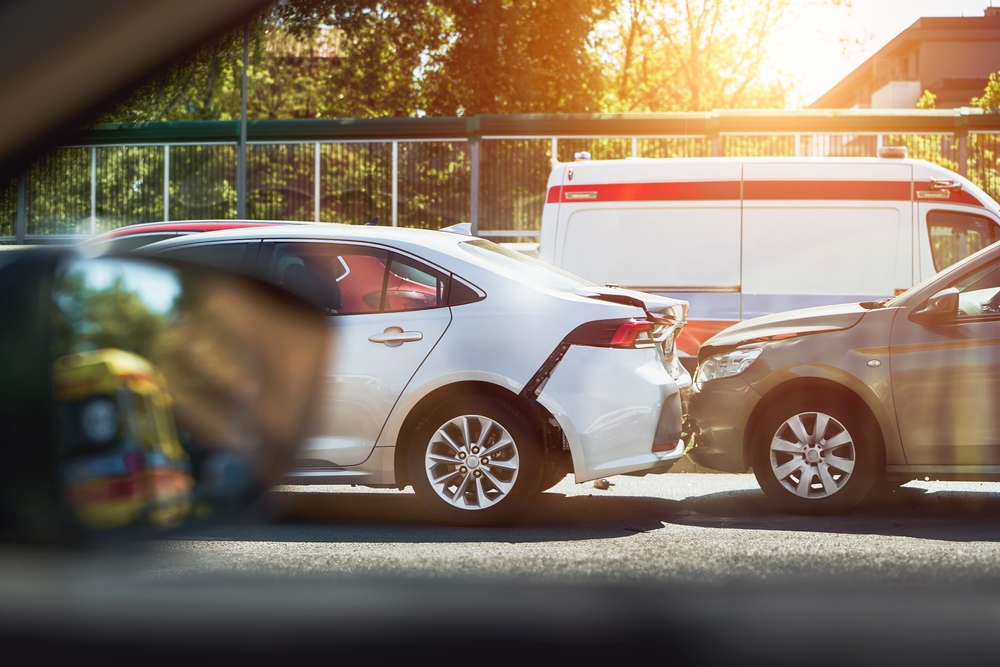
Chain reaction crashes involving three or more vehicles create complex fault scenarios requiring detailed investigation to determine each driver’s contribution. The initial impact often triggers subsequent collisions as vehicles get pushed into others ahead, making it difficult to establish who caused which damages. Arlington’s congested highways see frequent chain reactions during rush hour when traffic moves in dense formations.
Each driver in a chain reaction may bear different levels of responsibility based on their actions before and during the collision sequence. The first rear driver might bear primary fault for starting the chain reaction, but other drivers who followed too closely contributed by not leaving adequate space to avoid joining the pile-up.
Determining Fault in Multi-Vehicle Rear-End Accidents in Texas
Determining fault in multi-vehicle accidents requires analyzing each impact separately while understanding how they relate to each other. Physical evidence like damage patterns, skid marks, and debris fields helps reconstruct the sequence of events. Witness testimony provides vital perspective on which vehicles struck others and in what order.
Insurance companies often try to shift blame in chain reaction claims to protect their policyholders from liability. Without proper legal representation, accident victims may accept unfair fault assignments that reduce their compensation.
A skilled car accident attorney protects against these tactics by building clear evidence of each party’s actual contribution to the collision sequence.
Texas Comparative Fault Laws in Rear-End Car Accidents
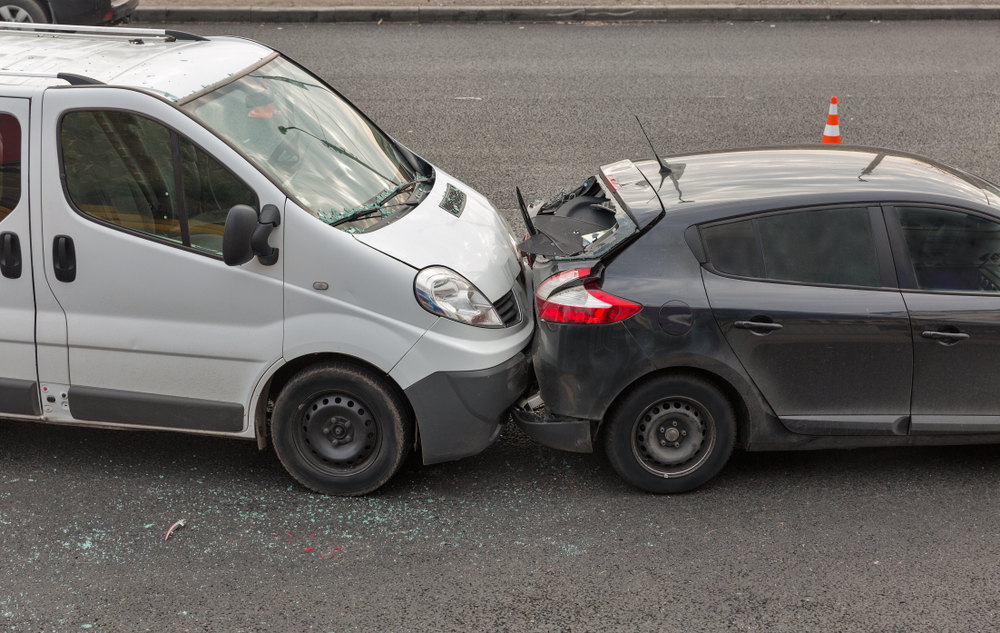
Texas follows modified comparative fault rules under Civil Practice and Remedies Code Chapter 33 that allow recovery even when accident victims bear partial responsibility. As long as your fault doesn’t exceed 50%, you may still recover damages reduced by your percentage of responsibility. This system recognizes that accidents often result from multiple parties’ combined negligence rather than single causes.
Understanding comparative fault becomes particularly important in rear-end collisions where both drivers may have contributed. Following too closely might constitute 30% fault while the lead driver’s broken brake lights represent 70% fault. The rear driver still recovers 70% of their damages despite contributing to the accident.
Insurance Company Tactics in Texas Rear-End Accident Fault Disputes
Insurance adjusters aggressively push fault onto accident victims to reduce settlement values through comparative fault reductions. They exaggerate following distances, downplay front driver negligence, and present biased accident reconstructions supporting their predetermined conclusions. That’s why it’s critical to call an attorney before contacting your insurance company: a lawyer can challenge these tactics, protect your rights, and prevent thousands in lost compensation.
Without experienced legal representation challenging these tactics, victims accept unfair fault assignments costing thousands in lost compensation. Common manipulation tactics insurers use include:
- Claiming you followed too closely without measuring actual distances
- Ignoring witness statements supporting your version of events
- Refusing to investigate front vehicle mechanical problems
- Misrepresenting traffic laws to suggest violations that didn’t occur
These strategies work against unrepresented victims who don’t understand their rights or how to challenge improper fault determinations effectively.
What Evidence Proves Fault in a Texas Rear-End Car Accident?
Establishing accurate fault requires comprehensive evidence collection starting immediately after accidents occur. Physical evidence from crash scenes provides objective proof of how collisions happened, distances between vehicles, and contributing factors. Skid marks reveal braking patterns and reaction times while damage patterns indicate impact angles and force.
Modern vehicles contain electronic data recorders capturing crucial seconds before crashes including speed, brake application, and steering inputs. This black box data provides precise information about driver actions leading to collisions. Arlington car accident attorneys use this technology evidence to challenge incorrect fault assumptions and prove actual causation.
How Witness Testimony and Video Footage Prove Rear-End Collision Fault
Independent witnesses provide valuable perspectives on rear-end collisions that contradict biased accounts from involved drivers. Witnesses observe whether brake lights functioned, if vehicles changed lanes suddenly, or whether dangerous driving preceded crashes. Their testimony carries significant weight because they lack financial interest in outcomes.
Traffic cameras throughout Arlington and surveillance from businesses near accident scenes capture collisions on video. This footage definitively shows vehicle movements, traffic conditions, and driver behaviors causing accidents. Video evidence often reveals front driver negligence that rear drivers couldn’t have anticipated or avoided regardless of following distance.
FAQs for Car Accident Attorneys
What if I was cited for following too closely after a rear-end collision?
Getting a traffic ticket doesn’t determine who is legally at fault for an accident. Police officers often make quick decisions at the scene, but in civil court you can present evidence proving the front driver’s negligence. Many rear-end collision victims still recover compensation even if they were cited for following too closely.
How long do I have to file a lawsuit for a rear-end collision in Texas?
Texas provides two years from the accident date to file personal injury lawsuits. This deadline applies regardless of ongoing insurance negotiations or fault disputes. Missing this deadline eliminates your right to court recovery, making prompt legal consultation important even while pursuing insurance claims.
What if the driver I rear-ended was drunk or texting?
Front driver impairment or distraction may contribute to rear-end collisions through erratic driving, sudden stops, or unpredictable behavior. While following drivers must maintain safe distances, extreme front driver negligence may shift primary fault forward. Investigation revealing intoxication or phone use strengthens your position significantly.
Can I recover damages if I’m found partially at fault?
Texas comparative fault laws allow recovery when you’re less than 51% responsible for accidents. The different types of damages get reduced by your fault percentage, but partial fault doesn’t eliminate compensation rights. Skilled attorneys minimize your fault assignment through evidence showing other parties’ greater negligence contributions.
What if multiple vehicles were involved in the chain reaction?
Multi-vehicle accidents require investigating each driver’s contribution to determine proportional fault. The driver starting the chain reaction typically bears primary responsibility, but others who followed too closely may share fault. Each driver’s insurance may owe compensation based on their percentage of fault.
Get Legal Help With Rear-End Collision Fault From an Arlington Car Accident Lawyer

Rear-end collision fault involves far more complexity than simple presumptions suggest, with numerous factors potentially shifting or sharing liability among multiple parties. While insurance companies prefer quick fault assignments that minimize their payouts, you need advocates who investigate thoroughly and challenge unfair blame. Branch & Dhillon fights for accurate fault determinations that reflect actual negligence rather than convenient assumptions.
Don’t accept fault assignments that ignore contributing factors or front driver negligence in your rear-end collision. Texas law provides opportunities to overcome presumptions and establish actual causation, but success requires experienced legal representation and immediate action. Every day without proper representation allows insurance companies to build biased narratives that cost you thousands in compensation.
Take control of your rear-end collision claim today. Call our personal injury attorneys at Branch & Dhillon at (817) 533-3430 for your free consultation with an aggressive car accident attorney serving Arlington and Tarrant County. We’ll investigate actual fault, challenge unfair assignments, and fight for maximum compensation based on true liability. You pay nothing unless we win your case.