


Every minute counts when a driver flees an accident, often leaving victims unsure of what to do next. Watching a driver speed away after causing damage or injury is shocking, but quick action protects your rights and strengthens your case.
Reporting the incident right away supports efforts to identify the fleeing driver and strengthens insurance claims or legal action. Speaking with a knowledgeablehit and run accident attorney can provide guidance on your options and help you move forward with confidence.
If you’ve been the victim of a hit and run in Arlington or Tarrant County, Branch & Dhillon pursues fleeing drivers and works to maximize your recovery. Call (817) 533-3430 for a free consultation about your hit and run case.
Key Takeaways for Texas Hit and Run Accident Cases
- Texas law requires immediate reporting of accidents involving injury, death, or a vehicle that cannot be safely driven.
- Minor property-damage accidents may fall under §550.022, which doesn’t require immediate police reporting if proper notice is left.
- Gathering evidence at the scene including witness information, photos, and any vehicle debris helps identify fleeing drivers even without license plate numbers.
- Your uninsured motorist coverage may provide compensation for hit and run damages even when the at-fault driver remains unidentified.
- Time limits for reporting to police and insurance companies vary, but delays may jeopardize your ability to recover compensation.
- Hit and run victims may recover compensation through criminal restitution, civil lawsuits, and insurance claims pursued at the same time.
How Our Texas Hit and Run Lawyers Guide You Through Reporting and Recovery

Branch & Dhillon understands the frustration and confusion hit and run victims experience when negligent drivers flee accident scenes throughout Arlington and Tarrant County.
Our attorneys help you meet reporting requirements and conduct independent investigations to identify fleeing drivers and maximize compensation. Insurance companies may dispute or minimize hit-and-run claims, particularly when reporting requirements are not met or supporting documentation is incomplete.
What you do immediately after a hit and run can determine whether you recover full compensation or bear the costs of another driver’s negligence. Our firm responds quickly to preserve evidence, interview witnesses, and work with law enforcement to track down fleeing drivers.
We handle all aspects of reporting and claims while you focus on recovering from injuries caused by someone who valued avoiding responsibility over your well-being.
Step-by-Step Legal Support for Reporting a Texas Hit and Run
Branch & Dhillon provides step-by-step guidance through the complex reporting requirements that follow hit and run accidents. We help you file proper police reports, notify insurance companies within required timeframes, and document injuries and property damage thoroughly.
Our attorneys understand how the Arlington Police Department and Tarrant County Sheriff’s Office investigate these cases, allowing us to provide information that increases the chances of identifying fleeing drivers. Beyond basic reporting, we conduct our own investigation using resources law enforcement may lack.
Licensed private investigators under Texas Occupations Code Chapter 1702 check surveillance cameras from businesses near accident scenes, canvas neighborhoods for witnesses, and search for damaged vehicles matching descriptions. All private investigators must be properly licensed by the Texas Department of Public Safety.
How to File a Police Report After a Texas Hit and Run Accident
If you’ve already returned home after a hit and run accident, the steps you take now can still make a big difference in protecting your rights and helping law enforcement.
Report the Texas Hit and Run Accident to Police Immediately
Even if you didn’t call 911 at the scene, you should contact the Arlington Police Department as soon as possible. Let them know the other driver fled and provide all the details you can recall. Filing an official report establishes a record of the accident, which is often required for insurance claims.
Document Every Detail You Remember About the Hit and Run Driver
Memory fades quickly after stressful events. Take a few minutes to jot down every detail you can recall about the other vehicle and the incident, including:
- Color, make, and model of the car
- Any unique details (stickers, dents, or damage)
- Partial license plate numbers, if remembered
- The time, location, and direction the car traveled
These details give investigators important clues.
Preserve and Photograph Vehicle Damage for Evidence
Check your car for signs of damage and take clear photos from multiple angles. Look for paint transfer, scratches, dents, or broken parts that may match the fleeing vehicle. This documentation helps both law enforcement and your insurance company evaluate the incident.
Gather Additional Evidence From Cameras and Witnesses
Even though you’re home, additional evidence may still be available:
- Ask nearby businesses if their security cameras captured the accident.
- See if any traffic or neighborhood cameras may have recorded the fleeing car.
- Reach out to potential witnesses who were in the area.
Evidence gathered (such as witness statements or surveillance footage) must be turned over to law enforcement. Tampering with evidence is a crime under Texas Penal Code §37.09, punishable as a Class A misdemeanor or even a third-degree felony, depending on the circumstances.
Notify Your Insurance Company After Filing a Police Report
Before contacting your insurer to report the hit-and-run, call an attorney first. Once you’ve received legal guidance, provide your insurance company with the police report number and any supporting evidence to start the claim process promptly.
Filing a Police Report for Hit and Run Accidents
Texas Transportation Code §550.026 requires drivers to immediately report an accident involving injury, death, or disabling vehicle damage by the quickest means of communication. In hit-and-run cases, this obligation is especially critical, as prompt reporting creates the official record needed for both criminal investigation and insurance claims.
For hit and run accidents, this reporting becomes even more important as it triggers criminal investigations and creates documentation for insurance claims. Arlington Police Department and other law enforcement agencies treat hit and run cases as criminal matters, not just traffic incidents.
When officers arrive at the scene, provide all information you remember about the fleeing vehicle and driver. Don’t guess or speculate about details you’re unsure about, as incorrect information may misdirect the investigation. Focus on facts you observed directly and let investigators draw conclusions from evidence.
Key Details to Include in a Texas Hit and Run Police Report
A thorough police report is essential to both the criminal investigation and your insurance claim. Take care to explain the accident clearly, describing your direction of travel, the traffic conditions, and the sequence of events leading up to the collision.
Be sure to include anything the other driver said before leaving the scene, since even a casual apology or remark of fault can serve as important evidence if the driver later changes their story.
Before you leave, request a copy of the police report or at least obtain the report number, as your insurance company will need this documentation to process an uninsured motorist claim and your hit and run accident attorney may rely on it to pursue additional recovery options.
Notifying Your Insurance Company About Hit and Run Damage
Most insurance policies require prompt accident reporting, sometimes within 24 hours, though exact deadlines differ by carrier. Many insurers provide 24-hour claim hotlines to ensure immediate reporting. When contacting your insurance company, stick to the facts of the incident and avoid admitting fault or minimizing any injuries.
Insurance adjusters record these calls and may later use your statements to reduce or deny your claim. Provide basic information about the accident, confirm you’re seeking medical treatment if injured, and request claim numbers for your records.
Insurance Coverage Options After a Hit and Run in Texas
Hit and run accidents may trigger multiple insurance coverages depending on your policy provisions. Uninsured motorist coverage treats hit and run drivers as uninsured, providing compensation for injuries and sometimes property damage.
Personal injury protection pays medical expenses regardless of fault. Collision coverage handles vehicle repairs though it requires paying your deductible.
Review your policy carefully, or ask an attorney to explain your coverage. Insurance companies sometimes deny valid claims by misinterpreting policy language or claiming you failed to meet reporting requirements. Understanding your coverage helps you push back against improper claim denials.
Why Documenting Injuries and Damage Is Crucial in Texas Hit and Run Claims
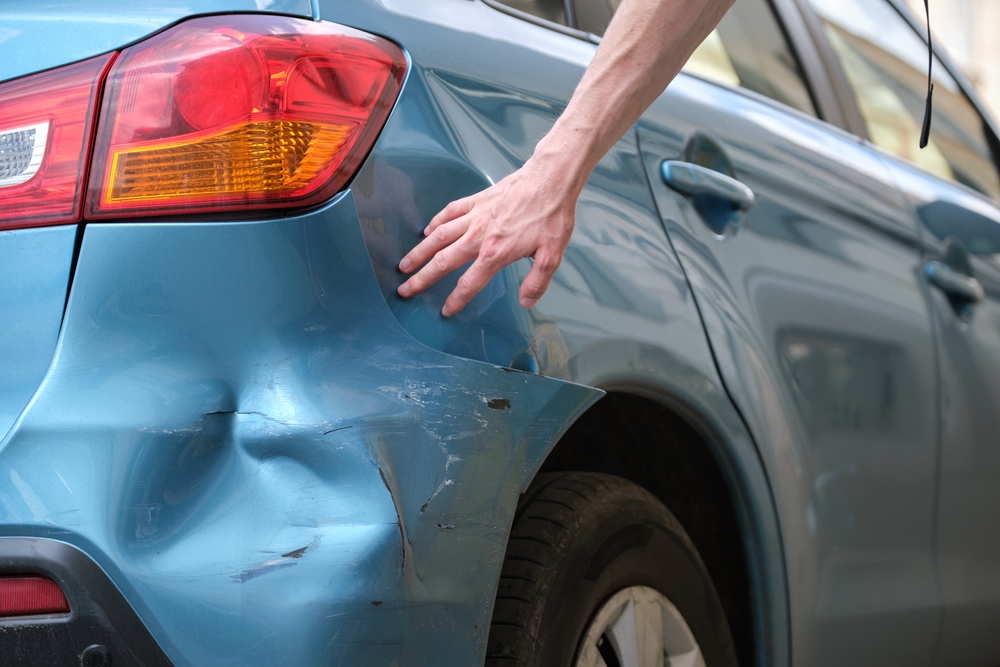
Medical documentation creates vital evidence linking your injuries directly to the hit and run accident. Seek medical evaluation immediately even if you feel relatively fine, as adrenaline masks pain and many injuries don’t show symptoms right away. Tell medical providers about the hit and run specifically so they document the connection in your records.
Photograph all visible injuries as they develop over the following days and weeks. Bruising often doesn’t appear fully until 48-72 hours after impact. Document your healing process with regular photos showing how injuries affect your daily life. Keep all medical records, bills, and receipts related to accident treatment.
How to Calculate Medical Bills, Lost Wages, and Damages After a Hit and Run
Hit and run accidents cause various damages beyond immediate vehicle repairs and emergency room visits. Lost wages add up quickly when injuries keep you from working, especially for those commuting across the Dallas–Fort Worth area.
Future medical needs like physical therapy or surgery must be included in damage calculations. Document all accident-related expenses comprehensively:
- Medical bills including ambulance, emergency room, and follow-up care
- Prescription medications and medical equipment costs
- Lost income with verification from your employer
- Transportation costs for medical appointments
- Property damage beyond just your vehicle
Complete documentation strengthens insurance claims and potential personal injury lawsuits against identified hit and run drivers, maximizing your recovery for all losses rather than accepting quick settlements that leave you paying out of pocket.
Working With Law Enforcement on Hit and Run Investigations
Police investigations of hit and run accidents vary in intensity based on injury severity and available evidence. Fatal hit and runs receive maximum resources including detective assignments and crime scene reconstruction. Property damage cases may receive less attention due to limited law enforcement resources, making your cooperation and persistence important.
Follow up with investigating officers regularly to check progress and provide any new information you discover. Sometimes witnesses come forward days later or surveillance footage becomes available from nearby businesses. Staying engaged with the investigation increases the chances of identifying fleeing drivers.
How Private Investigation Supplements Police Work
Although police investigate hit-and-run accidents as criminal cases, their resources are often stretched thin. Private investigators hired through your attorney can devote their full attention to your case.
They pursue leads that police may not have the time to follow, such as checking body shops for cars with matching damage, scanning social media for incriminating posts, and canvassing neighborhoods thoroughly for witnesses or evidence.
This supplemental investigation often succeeds where official efforts stall. Private investigators have more flexibility in their methods and dedication to single cases. When they identify fleeing drivers, this information supports both criminal prosecution and civil claims for compensation.
Legal Deadlines for Reporting Hit and Run Accidents in Texas
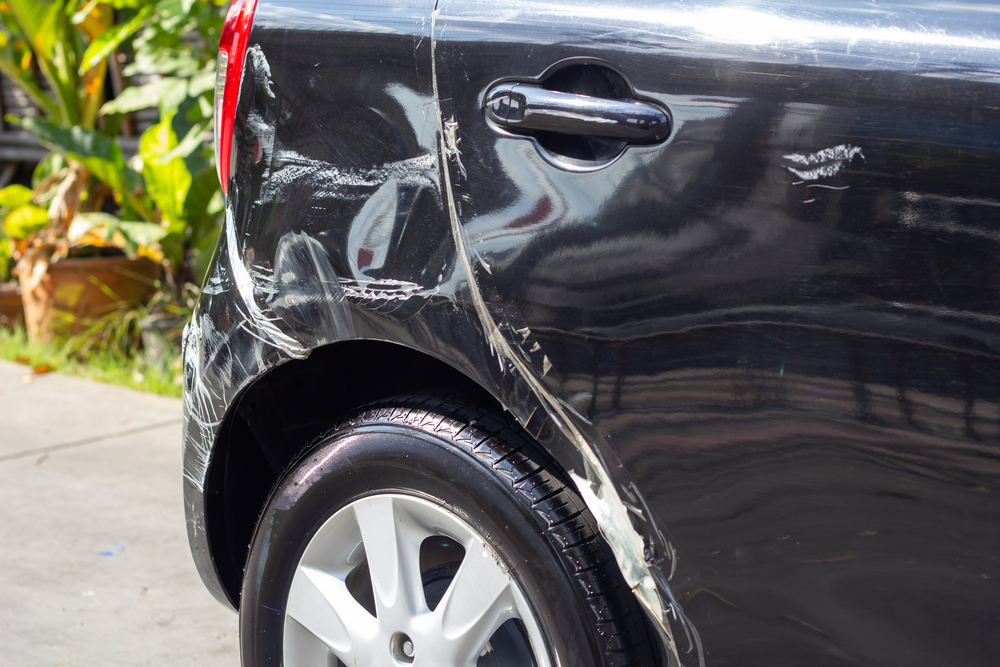
Strict deadlines apply to hit and run cases, so acting quickly is essential to preserve your legal options. The Texas statute of limitations provides two years for personal injury lawsuits, but this represents just one of several time limits victims must navigate.
Insurance policies impose much shorter deadlines for reporting accidents and filing claims. Some require notification within 72 hours while others allow 30 days.
Missing these deadlines may void coverage even for valid claims. Criminal prosecution has its own timeline, with misdemeanor hit and run cases having two-year limits while felony prosecutions extend longer.
Protecting Your Rights Through Timely Action
Taking prompt action after a hit and run accident is critical to preserving both evidence and your legal rights. Surveillance footage at local businesses is often erased within days, witnesses may relocate or forget key details, and physical evidence such as skid marks can quickly fade due to traffic and weather conditions.
Reaching out to a hit and run accident attorney right away ensures that you meet all required deadlines while building the strongest case possible. An attorney can send preservation letters to prevent the loss of crucial evidence, file the necessary notices with government agencies, and work directly with insurance companies to safeguard your coverage.
This proactive approach helps maximize your chances of recovery, whether or not the driver who fled is ever identified.
FAQs for Hit and Run Accident Attorneys
What if I didn’t get the license plate of the hit and run driver?
Many hit and run cases get solved without complete license plate information. Partial plates, vehicle descriptions, or unique damage help investigators identify suspects. Your uninsured motorist coverage applies regardless of driver identification. Focus on documenting whatever details you observed and let investigators piece together the complete picture.
What happens if the hit and run driver gets caught later?
Identified hit and run drivers face criminal charges and civil liability for damages. Criminal prosecution may result in restitution orders supplementing civil recovery. You may file lawsuits for damages beyond insurance limits. Even drivers caught months later remain liable for compensation.
Does insurance cover hit and run accidents?
Uninsured motorist (UM) coverage generally applies to hit-and-run accidents, treating fleeing drivers as uninsured. UM bodily injury coverage is standard unless rejected in writing, while UM property damage coverage is optional and may require paying a deductible. Personal injury protection (PIP) covers medical expenses regardless of fault, and collision coverage pays for vehicle repairs subject to deductible terms.
What if the insurance company denies my hit and run claim?
Insurance companies sometimes wrongfully deny valid hit-and-run claims by relying on technicalities or citing policy exclusions. Common reasons for denial include reporting the accident late or failing to provide enough evidence that a hit-and-run occurred. Skilled attorneys can challenge these denials through the appeals process and, when necessary, by filing bad faith litigation.
Should I accept the insurance company’s settlement offer?
Initial settlement offers rarely reflect full damages, especially before understanding injury extent. Insurance companies offer quick settlements hoping victims accept less than needed for complete recovery. Consult an attorney before accepting any settlement to understand whether offers fairly compensate your losses.
Contact a Texas Hit and Run Lawyer to Protect Your Rights Today

How you respond after a hit and run accident can shape whether you receive full compensation or are left covering the costs of another driver’s wrongdoing. Fleeing drivers may try to escape responsibility, but careful documentation and strong legal representation can hold them accountable. Each step, from filing a police report to working through insurance claims, affects your ability to recover for injuries and property damage.
Our personal injury lawyers at Branch & Dhillon represent hit and run victims throughout Arlington and Tarrant County who are determined to hold negligent drivers responsible. Call us today at (817) 533-3430 for a free consultation with an experienced hit and run accident attorney.