

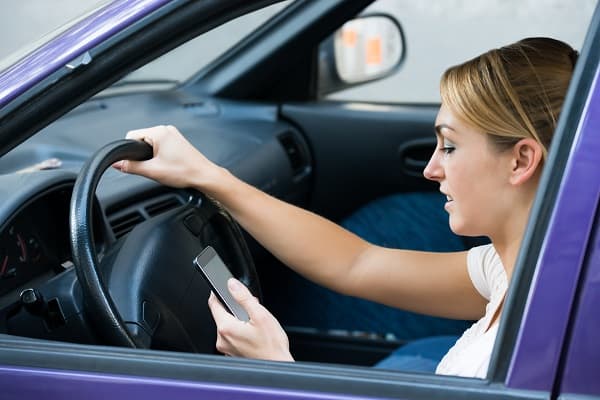
A quick glance at your phone might seem harmless, but behind the wheel, it can change lives forever. In Texas, it is illegal to text and drive, a rule created to protect everyone on the road. Understanding the specifics of Texas texting and driving laws is not just about avoiding a ticket; it’s about recognizing the serious responsibility every driver has to prevent needless harm. If you or someone you care about has been affected by a distracted driver, knowing these laws can help you understand your rights and options, and whether speaking with a car accident lawyer may be appropriate.
Key Takeaways about Texting and Driving Laws in Texas
- Under state law, it is illegal for any Texas driver to read, write, or send an electronic message while their vehicle is moving.
- The law includes specific exceptions, such as using a hands-free device to make a call or reporting an emergency to the police.
- Violating Texas’s texting and driving ban can lead to fines, and the penalties become much more severe if the act causes an accident resulting in injury or death.
- A driver who causes a crash while unlawfully using their phone may be considered negligent, which is a key element in a personal injury claim.
- Evidence like cell phone records, witness statements, and police reports can be used to establish that a driver was texting at the time of a collision.
What Does the Law in Texas Say About Texting and Driving?
The core of the state’s rules on this issue is found in the Texas Transportation Code § 545.4251. This statute creates a statewide ban on using a portable wireless communication device to read, write, or send an electronic message while operating a motor vehicle unless the vehicle is stopped. In simple terms, if your car is moving, you cannot text.
This law applies to all drivers in Texas, but it’s important to know there are some specific situations and exceptions. For instance, the rules are even stricter for certain drivers. Novice drivers—those under 18—are prohibited from using a cell phone in any capacity, including hands-free. Additionally, all drivers are banned from using handheld devices in a school zone.
The law does allow for a few commonsense exceptions. A driver is permitted to use their phone in specific circumstances, such as:
- Using a hands-free device for voice-activated commands or to make a phone call.
- Reporting illegal activity or calling for help in an emergency.
- Reading a message that you reasonably believe is a genuine emergency alert.
- Using a device for navigation, like a GPS map.
These exceptions are designed to allow for necessary communication without encouraging the dangerous act of typing or reading messages while driving.
The Dangers of Distracted Driving in Tarrant County
The reason Texas texting and driving laws exist is that distracted driving is a public safety crisis. According to the Texas Department of Transportation, distracted driving caused nearly 2,800 serious injuries and about 400 deaths on Texas roads in a single recent year. This isn’t just a statistic; it represents real families in our community whose lives have been turned upside down.
Driving requires your full attention. Safety advocates often break distraction down into three categories:
- Visual: Taking your eyes off the road.
- Manual: Taking your hands off the wheel.
- Cognitive: Taking your mind off of driving.
Texting is particularly hazardous because it involves all three types of distraction simultaneously. Imagine driving down a busy road like Interstate 30 in Arlington or the I-35W corridor through Fort Worth.
A five-second glance at a text message while traveling at 55 mph is like driving the entire length of a football field with your eyes closed. In the heavy traffic often seen around destinations like Six Flags Over Texas or Globe Life Field, that five-second window is more than enough time for a catastrophic collision to occur.
What are the Penalties for Violating Texas Texting and Driving Laws?
The consequences for breaking these laws extend beyond the immediate danger. The legal system imposes penalties to discourage this behavior, and these penalties are both criminal and civil.
From a criminal standpoint, a first-time offense for texting and driving is a misdemeanor punishable by a fine of up to $99. For a repeat offense, the fine can increase to $200. While these fines may seem minor, the situation becomes much more serious if the driver’s actions cause harm to someone else.
If a driver texting causes an accident that results in the serious injury or death of another person, they can be charged with a Class A misdemeanor. This carries a potential penalty of up to one year in jail and a fine of up to $4,000. In the most tragic cases, a driver could even face felony charges, such as manslaughter, which carries the possibility of a lengthy prison sentence.
It is critical to understand that these criminal penalties are entirely separate from any civil responsibility the driver may have. A person injured by a texting driver has the right to file a personal injury claim to seek compensation for their losses, regardless of the outcome of any criminal case.
How a Texting and Driving Accident Affects a Personal Injury Claim
When you are injured because someone else was careless, a personal injury claim is the legal process for holding them accountable. A central concept in these cases is negligence. In plain English, negligence means that someone had a duty to act with reasonable care but failed to do so, and their failure caused you harm.
All drivers have a duty to operate their vehicles safely and follow traffic laws. Violating the Texas texting and driving laws is a clear breach of that duty. In fact, it often falls under a legal principle called negligence per se. This means that if a person violates a safety law (like the texting ban) and that violation causes the type of harm the law was designed to prevent, they are automatically considered to be negligent. This can make proving your case much more straightforward.
Proving that the other driver was texting at the time of the accident is key. A skilled attorney can help gather the necessary proof, which may include:
- Cell Phone Records: These can be obtained through a legal request called a subpoena and can show call logs, text message data, and data usage around the time of the crash.
- Police Reports: The investigating officer may have noted a suspicion of cell phone use or even cited the driver at the scene.
- Witness Statements: Other drivers or pedestrians may have seen the at-fault driver looking at their phone just before the collision.
- Video Footage: Dashcam videos or footage from nearby security cameras can sometimes capture a driver’s actions.
Having this evidence can significantly strengthen your claim and is a vital step toward securing the financial recovery you need.
Steps to Take After an Accident Caused by a Distracted Driver
Once you have received initial medical care, there are several important things you can do to protect your health and your legal rights.
- Document Everything: Start by writing down all the details you remember about the crash while they are still fresh in your mind. Keep a journal to track your daily pain levels, medical appointments, and how your injuries are affecting your life. It’s also wise to keep a dedicated folder for all accident-related documents, like medical bills and repair estimates.
- Follow Your Doctor’s Plan: Your health is the top priority. It is essential to follow the treatment plan prescribed by your medical providers. This means attending all follow-up appointments and physical therapy sessions. Doing so not only aids your recovery but also creates a clear medical record of your injuries.
- Be Cautious with Insurance Adjusters: Be very careful when speaking with the other driver’s insurance company. Their goal is often to settle the claim for the lowest amount possible. You are not required to give them a recorded statement, and it is best to avoid accepting a quick settlement offer before you know the full extent of your injuries and future medical needs.
Taking these organized steps can help protect your rights and provide important support for a potential personal injury claim.
What Kind of Compensation Is Available?

If you were injured by a driver who was texting, you may be entitled to seek compensation for the various ways the accident has impacted your life. This compensation is paid through a personal injury claim and is intended to help make you whole again. These financial awards are often referred to as “damages.”
Damages in a Texas personal injury case typically fall into a few different categories:
- Economic Damages: These are for the measurable financial losses you have incurred because of the accident. This includes things like current and future medical bills, lost wages from being unable to work, and the cost of repairing or replacing your vehicle.
- Non-Economic Damages: These are meant to compensate you for the non-financial losses that are much harder to put a price on. This can include physical pain and suffering, emotional distress, scarring or disfigurement, and loss of enjoyment of life.
- Punitive Damages: In rare cases where the at-fault driver’s behavior was especially reckless or malicious, a court may award punitive damages. These are not meant to compensate the injured person but rather to punish the wrongdoer and deter similar conduct in the future. Texting while driving could potentially be seen as the type of gross negligence that warrants such damages.
Each case is unique, and the amount of compensation available will depend on the specific details of your situation and the severity of your injuries.
Texas Texting and Driving Laws FAQs
Here are answers to some common questions people have about these important safety laws.
Yes, the statewide ban applies while the vehicle is “moving.” If your vehicle is completely stopped, such as at a red light, the law permits you to read, write, or send an electronic message. However, as soon as the light turns green and you begin to move, you must put the device away.
Even if you were using a hands-free device legally, you can still be held liable if you were distracted and caused a crash. All drivers have a general duty to pay attention and drive safely. If talking on a hands-free device took your cognitive focus off the road and led to the accident, you could still be found negligent.
In Texas, the law that sets a deadline for filing a lawsuit is called the statute of limitations. For most personal injury cases, including those from car accidents, you have two years from the date of the injury to file a lawsuit. If you miss this deadline, you will likely lose your right to seek compensation forever.
Before the statewide texting ban was passed, many Texas cities, including Arlington, created their own local ordinances that were even stricter. These “hands-free” ordinances make it illegal to hold a phone for any reason while driving, not just for texting. The state law does not override these local rules, so in a city with a hands-free ordinance, you must follow the more restrictive local law.
The Texas Transportation Code defines a “vehicle” in a way that includes bicycles. Therefore, the statewide ban on texting while a vehicle is in motion also applies to bicyclists on public roadways. They are subject to the same rules and potential fines as motor vehicle drivers.
Contact a Dedicated Arlington Personal Injury Attorney

Dealing with the consequences of a car accident is difficult, especially when you know it could have been prevented if the other driver had simply put their phone down. You should be able to focus on your physical and emotional recovery without the added stress of a legal battle.
At Branch & Dhillon, P.C., our personal injury lawyers have a deep understanding of the challenges you are facing. We are committed to holding negligent drivers accountable and advocating for the rights of those injured in Tarrant County and across Texas.
If you were hurt by a distracted driver, please reach out to us. We can discuss your situation, explain your options, and help you decide on the best path forward. Contact Branch & Dhillon, P.C. at (817) 533-3430 or through our online form for a free consultation today.