

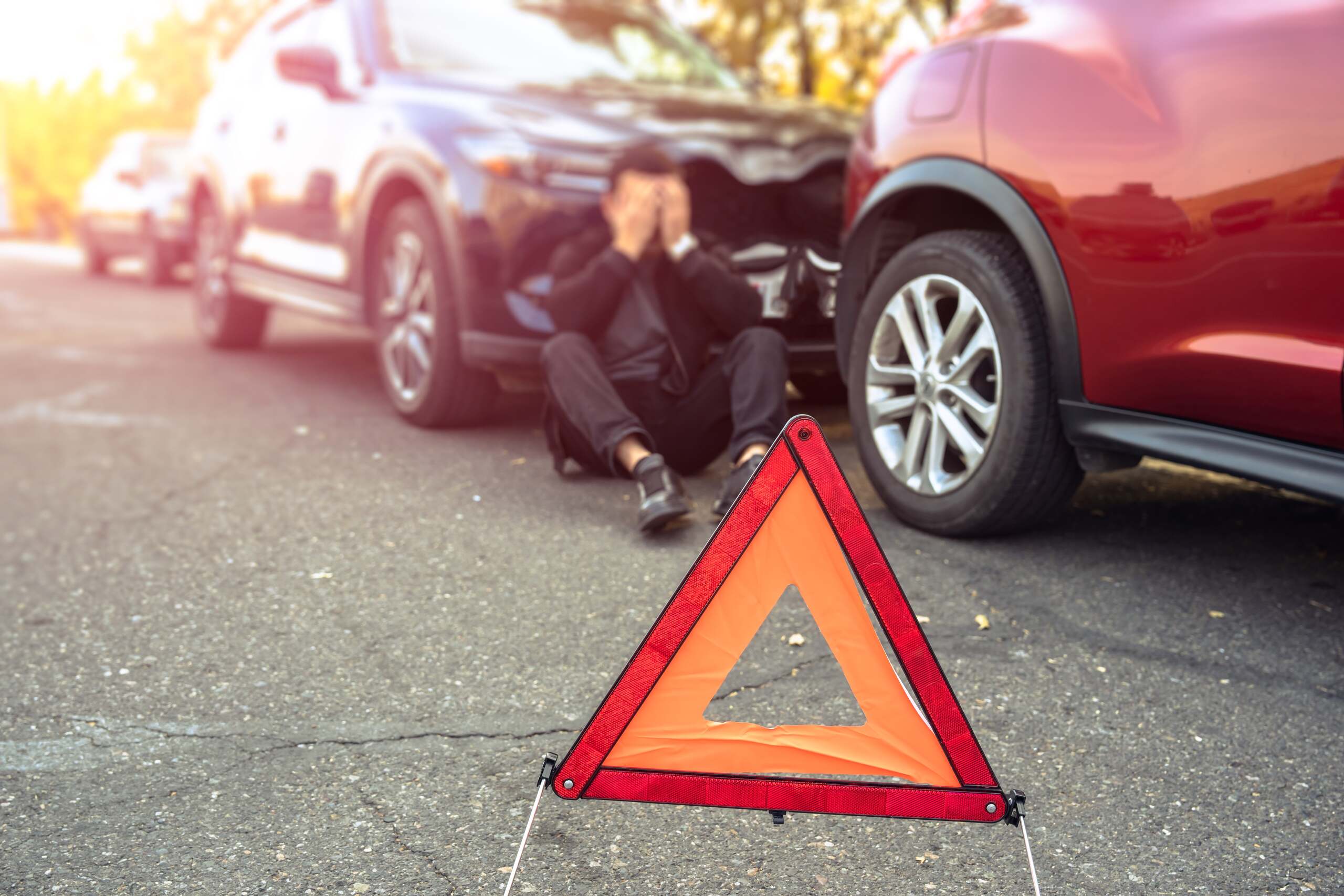
Rear-end collisions rank among the most common crashes on Oklahoma City roads, especially where traffic bunches up during rush hour or where a driver’s attention drifts toward a phone for even a second or two.
Most people assume the rear driver automatically takes the blame in a rear-end accident, and Oklahoma insurance adjusters often start there too. Who is at fault for a rear-end accident isn’t always that simple once you factor in brake lights that never worked, a sudden unexplained stop, or a driver who reversed into traffic without warning.
If someone hit you from behind on I-35 or I-40 through Oklahoma City, or you got rear-ended while braking normally at a red light, you’re likely dealing with a strong case, but that doesn’t mean the other driver’s insurer will make it easy. An Oklahoma City car accident attorney can review your police report and evidence with you at no cost.
Key Takeaways: Fault in Oklahoma City Rear-End Crashes
- Oklahoma generally presumes the rear driver is at fault in a rear-end collision, but that presumption can be challenged with the right evidence.
- A lead driver’s sudden stop, reverse movement, or non-functioning brake lights can shift some or all of the fault onto them.
- Oklahoma’s comparative negligence rule lets you recover compensation even if you share partial fault, as long as you’re found less than 51 percent responsible.
- Multi-vehicle rear-end chain reactions often involve more complicated fault questions than a simple two-car collision.
- Insurance companies sometimes assign fault percentages that don’t match what the physical evidence actually shows.
Who Is at Fault in a Rear-End Accident?
Fault in a rear-end accident generally rests with the rear driver, since Oklahoma traffic law requires every driver to maintain enough following distance to stop safely. This rule exists because the driver in back almost always has the last clear chance to avoid a collision.
Why Does the Rear Driver Usually Bear Fault?
The rear driver usually bears fault because state law places a legal duty on trailing drivers to leave enough space to react to sudden braking, traffic slowdowns, or unexpected stops.
Following too closely, sometimes called tailgating, removes that reaction time and puts the trailing driver in violation of that duty the moment a collision happens.
Weather and road conditions don’t erase this duty either. Rain, ice, or heavy traffic on stretches like I-35 through Oklahoma City require drivers to increase their following distance, not treat normal spacing as sufficient.
When Does Fault Shift Away from the Rear Driver?
Fault shifts away from the rear driver when the lead driver’s own actions caused or contributed to the collision, such as braking suddenly without reason, reversing unexpectedly, or driving with broken brake lights. These situations require solid evidence to overcome the standard presumption against the rear driver.
Common scenarios where fault shifts include:
- A lead driver slamming on the brakes to avoid a squirrel or an object, then getting rear-ended by a driver following a reasonable distance.
- A vehicle reversing out of a parking spot or driveway into moving traffic.
- Brake lights that failed to illuminate, giving the following driver no warning before the lead car slowed or stopped.
What Evidence Determines Rear-End Collision Liability?
Rear-end collision liability gets determined through police reports, vehicle damage patterns, witness statements, and any available camera footage from the scene. Insurance companies weigh this evidence before assigning a final fault percentage to either driver.
What Does Vehicle Damage Reveal About Fault?
Vehicle damage reveals fault by showing the angle and force of impact, which often confirms whether a driver was following too closely or whether something else caused the collision.
Heavy front-end damage on the rear vehicle paired with minimal damage on the lead vehicle typically supports the standard presumption against the trailing driver.
However, damage patterns showing the lead vehicle in reverse gear, or evidence that its brake lights weren’t functioning, can tell an entirely different story once an accident reconstruction specialist or attorney reviews the details closely.
How Do Traffic Cameras and Dashcams Help Confirm Fault?
Traffic cameras and dashcams help confirm fault by capturing the actual sequence of events leading up to impact, removing guesswork from a fault determination.
Footage showing a driver’s phone use, a sudden unexplained stop, or brake light failure often settles disputes that would otherwise come down to one driver’s word against another’s.
Oklahoma City has expanded traffic camera coverage along several major corridors in recent years, though coverage still varies significantly by intersection and stretch of highway.
Requesting this footage quickly matters, since many systems overwrite recordings within a short window.
| Evidence Type | Purpose | Key Considerations |
|---|---|---|
| Vehicle Damage | Indicates impact angle/force to suggest potential fault. | Significant front-end damage on the trailing car often points to tailgating; reverse gear or broken brake lights on the lead car can shift this presumption. |
| Camera Footage | Provides a definitive sequence of events to resolve conflicting accounts. | Captures critical details like phone use, sudden stops, or brake failure; time-sensitive, as footage is frequently overwritten. |
| Comprehensive Review | Forms the basis for assigning official fault percentages. | Combines police reports, witness statements, and physical evidence to weigh liability beyond simple assumptions. |
How Does Oklahoma’s Comparative Negligence Rule Apply to Rear-End Crashes?
Oklahoma’s comparative negligence rule reduces your compensation by your percentage of fault, but only bars recovery entirely if you’re found 51 percent or more responsible for the crash.
This rule applies to rear-end collisions the same way it applies to any other type of accident in the state.
What Happens If You Share Some Fault for the Collision?
Sharing some fault for the collision reduces, rather than eliminates, what you can recover, provided your share stays below the 51 percent threshold. For example, a driver found 25 percent at fault on a $40,000 claim would still recover $30,000.
This is where determining fault in a rear-end accident gets contested most often, particularly when the lead driver’s actions contributed even slightly to the crash.
Insurance companies sometimes push a higher fault percentage onto an injured driver specifically to shrink their payout, which is why documentation from the scene carries so much weight.
What if the Rear Driver Claims You Slammed on Your Brakes for No Reason?
The rear driver claiming you slammed on your brakes for no reason doesn’t automatically shift fault onto you. That claim still requires supporting evidence rather than just an assertion made after the fact.
Dashcam footage, traffic camera recordings, or witness accounts often disprove this defense when the actual cause was traffic congestion, a stopped vehicle ahead, or a legitimate hazard in the roadway.
What Happens in a Multi-Vehicle Rear-End Chain Reaction?
A multi-vehicle rear-end chain reaction often involves layered fault, where more than one driver’s following distance, speed, or attentiveness contributed to the pileup.
These crashes require a closer look at each vehicle’s position and timing rather than a single blanket fault assignment.
Who Is Responsible When Three or More Cars Are Involved?
Responsibility in a chain reaction crash gets assigned individually to each driver based on their specific role in the sequence, rather than treating all rear vehicles the same way.
The driver who initiated the chain by rear-ending the vehicle ahead often bears primary fault, though drivers further back who were also following too closely can share responsibility for their own portion of the impact.
Highway pileups on stretches like I-40 during sudden slowdowns illustrate this well. A driver three cars back who was following safely but got pushed forward by the vehicle behind them may bear little to no fault, even though their car struck the vehicle in front.
What Compensation Can You Recover After a Rear-End Accident?
You can recover compensation for medical treatment, lost wages, vehicle repair costs, and pain and suffering after a rear-end accident where another driver bears fault.
Oklahoma law also allows compensation for future medical needs when injuries like whiplash or herniated discs require ongoing treatment well beyond your initial emergency room visit.
Rear-end collisions frequently cause whiplash and soft tissue injuries that don’t fully reveal their severity for days or even weeks after the crash. Documenting these symptoms as they develop, rather than assuming they’ll resolve on their own, helps support the full value of a claim.
What Should You Do After a Rear-End Accident in Oklahoma City?
Several steps can help strengthen a rear-end accident claim once you’ve received medical attention and are safely away from the scene. None of these replace guidance from first responders or medical providers, but they can support your case as it moves forward.
What Practical Steps Help Strengthen Your Case?
A few practical steps tend to help most rear-end accident claims:
- Keeping copies of all medical records and bills creates a paper trail documenting the extent of your injuries over time.
- Saving receipts for out-of-pocket costs, such as prescription copays or rideshare fares to physical therapy appointments, helps establish your economic losses.
Writing down how your injuries affect your sleep, work, or daily routine can support a pain and suffering claim later in the process. - Requesting a copy of the police report early lets you review how fault was initially documented at the scene.
Be sure to bring this information to an attorney consultation. A fuller picture typically leads to a more accurate evaluation of what the claim is actually worth.
Why Does Working with an Attorney Matter after a Rear-End Crash?
Working with an attorney matters after a rear-end crash because insurance companies don’t always accept the standard fault presumption without a fight, especially in cases involving disputed braking, reversing vehicles, or multi-car chain reactions.
Evidence Has a Shelf Life
Traffic camera footage and dashcam recordings often get overwritten within days or weeks, so requesting this evidence quickly can determine whether it’s available at all. An attorney knows which footage sources to request immediately, before that window closes.
Adjusters Assign Fault Percentages That Don’t Always Match the Evidence
Insurance companies sometimes push a higher fault percentage onto an injured driver specifically to reduce what they owe, even when the physical evidence doesn’t fully support that number.
An attorney knowledgeable in Oklahoma’s comparative negligence rules can challenge that percentage with documentation rather than accepting the adjuster’s first offer.
Chain Reaction Crashes Require Deeper Investigation
Multi-vehicle pileups involve layered responsibility that a single insurance conversation rarely sorts out fairly. Reconstructing each driver’s role often requires pulling reports, statements, and evidence most people wouldn’t know to request on their own, which is exactly where legal guidance changes the outcome of a claim.
Frequently Asked Questions About Fault in Rear-End Accidents in OK
Is the rear driver always at fault in a rear-end accident in Oklahoma?
No, the rear driver is presumed at fault in most cases, but that presumption can be overcome with evidence showing the lead driver caused or contributed to the crash. Sudden unexplained stops, reversing vehicles, and broken brake lights are common examples that can shift fault.
What if I was rear-ended while stopped at a red light?
Being rear-ended while fully stopped at a red light strongly supports fault against the rear driver, since there’s rarely a legitimate reason for a stationary vehicle to cause a collision. Insurance companies still investigate these claims, but the physical evidence in these cases usually favors the driver who was stopped.
Can a rear-end accident claim get complicated if I was injured before in a similar crash?
Yes, a prior injury to the same body part can complicate a claim, since the other driver’s insurer may argue your current symptoms stem from an earlier incident rather than this crash. Medical records comparing your condition before and after this accident typically address that argument directly.
How long do I have to file a rear-end accident claim in Oklahoma?
Oklahoma generally allows two years from the date of the crash to file a personal injury lawsuit, though claims involving a government-owned vehicle require much earlier written notice. Confirming your specific deadline early protects your ability to pursue compensation at all.
Does it matter if the rear driver was driving a commercial vehicle?
Yes, rear-end accidents involving commercial trucks or delivery vehicles often bring additional insurance coverage and separate company liability into play, beyond the individual driver’s personal policy. These cases frequently involve more parties and more evidence to review than a standard two-car collision.
Talk to Branch & Dhillon, P.C. About Your Rear-End Accident Claim
If a rear-end accident in Oklahoma City left you hurt, or an insurance adjuster is already trying to pin fault where it doesn’t belong, call Branch & Dhillon, P.C. at 405-237-8107 for a free case evaluation.
We’ll go through the police report, the fault evidence, and what your claim might actually be worth, and you won’t owe us anything unless we recover money on your behalf.
Branch & Dhillon, P.C. 201 Robert S. Kerr Ave Ste 905, Oklahoma City, Oklahoma 73102