

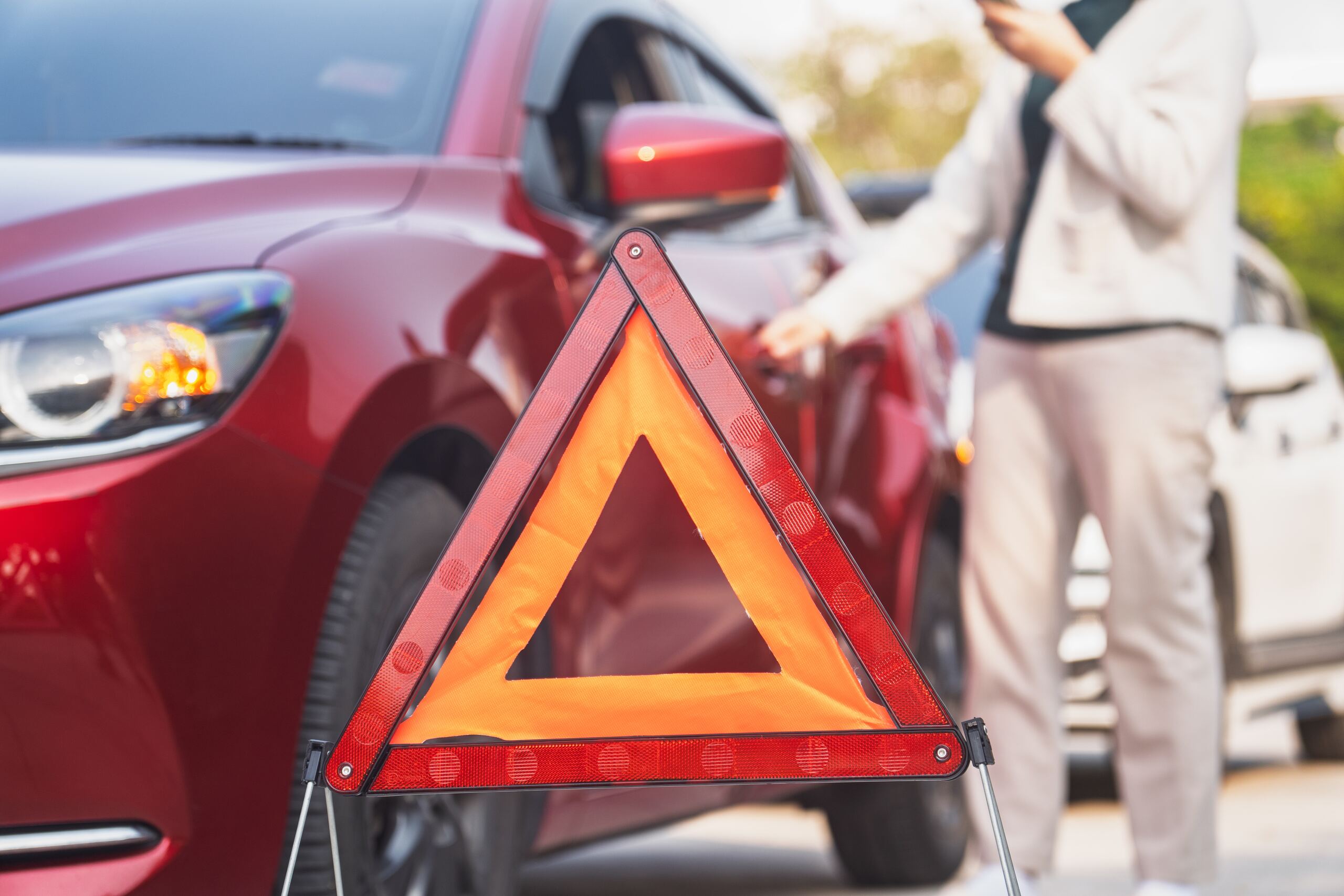
If you were driving a friend’s car in Arlington and an accident happened, you may now be facing a tangle of insurance questions on top of injuries, missed work, and stress. The pain can be real. The bills can pile up fast. The question of who actually pays can feel impossible to answer on your own.
Liability in a car accident in a friend’s car does not work the same way as an accident in your own vehicle. Different rules apply, and the answer depends on things like who gave permission, what the car owner’s policy covers, and whether your own insurance has any role to play.
You deserve clear answers, and you deserve support. A car accident attorney can review your situation for free and help you understand exactly where you stand.
Key Takeaways: Liability in an Accident when Driving a Borrowed Vehicle
- In Texas, car insurance generally follows the vehicle, meaning the car owner’s policy is usually the first source of coverage when a permissive driver causes an accident.
- If you were hurt while driving a friend’s car, liability in a car accident in a friend’s car involves multiple potential sources of compensation, including the owner’s policy, your own policy, and possibly the at-fault driver’s insurance.
- Giving someone permission to use a vehicle, known as express or implied consent, plays a major role in determining how insurance applies.
- Texas follows a modified comparative fault rule, which means your compensation can be reduced if you were partially at fault, but you can still recover damages as long as you were not more than 50% responsible.
- Consulting a car accident attorney at no cost to you is a practical first step when injuries and insurance questions are in play.
Quick Answer: Who is liable for an accident if I was driving a friend’s car?
In most cases, the car owner’s insurance pays first when someone borrows a vehicle and causes an accident, because car insurance follows the car, not the driver.
- If the owner gave you permission to drive, their liability coverage typically applies to any accident you cause.
- If the owner’s coverage runs out or doesn’t fully cover the damages, your own auto insurance may step in as secondary coverage.
- If you were driving without permission, liability may shift more heavily to you as the driver.
Sorting out who pays what depends on the specifics of each policy and the facts of the accident, which is why speaking with a car accident attorney early can protect your rights.
How Does Car Insurance Work When You Borrow Someone’s Vehicle?
Most people assume insurance covers the driver. In reality, most auto insurance policies are tied to the vehicle itself. When you borrow a car with the owner’s permission, you generally drive under the protection of their policy, not yours.
This matters a great deal when an accident occurs. The car owner’s liability coverage would typically apply first, up to the policy’s limits. If the damages exceed those limits, your own auto insurance may step in to cover the gap. This is sometimes called excess or secondary coverage.
What Permissive Use Means and Why It Matters
Permissive use is the legal term for driving someone’s car with their knowledge and consent. Texas courts recognize two types of consent:
- Express consent means the owner directly told you that you could use the car.
- Implied consent means the owner’s words, actions, or past habits suggested you had an open invitation to use the vehicle.
f you had permissive use at the time of the accident, the owner’s insurance is almost always the starting point for any claims. Without that permission, the picture changes significantly.
What If the Car Owner Did Not Give Permission?
When a driver takes a vehicle without the owner’s knowledge or consent, the owner’s insurance company will often argue that coverage does not apply. In that situation, the driver’s own insurance would become the primary source of coverage.
In Texas, proving that permission existed can make a real difference in how a claim plays out. Text messages, a history of borrowing the car, or a verbal agreement can all serve as evidence that permission was given.
Who Is Responsible for an Accident When Driving a Friend’s Car?
Both the driver and the vehicle owner may carry some responsibility. Understanding the difference helps you know what compensation may be available.
As the driver, you have a duty to operate the vehicle safely. If your negligence, such as speeding, distracted driving, or running a red light near Parks at Arlington, contributed to the accident, you could bear personal liability for damages beyond what the car owner’s insurance covers.
The owner’s responsibility is different. By handing you the keys, the owner gave you control of their property. Texas law recognizes a legal concept called negligent entrustment, which can hold an owner liable if they knew, or should have known, that you were an unsafe driver.
When Can a Car Owner Be Found Liable?
Texas courts have found car owners liable for accidents caused by borrowed vehicles when certain factors are present. A car owner may face legal responsibility when they knowingly lend a vehicle to someone with a suspended license, a history of reckless driving, or a pattern of impaired driving.
If an owner hands their keys to a teenager who has already caused multiple accidents, for example, a court may find that the owner’s choice created a foreseeable risk. This is not about punishment; it is about accountability for a decision that directly led to someone else’s injury.
What Happens When Both the Driver and Owner Share Responsibility?
Texas follows a modified comparative fault system, which means more than one party can be found responsible for an accident. Responsibility is divided by percentage. If you were 20% at fault and the other driver was 80% at fault, your recovery would be reduced by your share of fault.
The key rule in Texas is that you cannot recover damages if you were more than 50% responsible for the accident. This makes the facts of your accident, and who contributed to it, critically important to your case.
What Is Liability for a Car Accident in Someone Else’s Car?
Liability for a car accident in someone else’s car comes down to three basic questions:
- Did you have permission?
- Whose negligence caused the accident?
- What coverage exists under each relevant policy?
In a straightforward situation where you borrowed a friend’s car with permission, caused an accident, and the owner has sufficient insurance, the owner’s policy handles the claim. But real situations rarely stay simple.
When the Owner’s Insurance Is Not Enough
If the damages from the accident exceed your friend’s policy limits, you may be left holding a financial gap. This is where your own auto insurance policy becomes relevant.
Many Texas drivers carry what is called underinsured motorist coverage, which exists precisely for situations where the available insurance is not sufficient to cover all the harm done.
If you were injured in the accident rather than being the at-fault driver, the same principle applies. The at-fault party’s coverage responds first. If that coverage is insufficient, your underinsured motorist coverage may help fill the difference.
What Steps May Help Protect a Claim After This Type of Accident?
After an accident in a borrowed vehicle, several practical steps may help protect your ability to recover compensation. These are not legal advice but rather practical considerations that many claimants find useful to discuss with an attorney.
Gather and Preserve Documentation
A paper trail matters in any accident claim, and it matters even more when questions of ownership and insurance overlap. Consider collecting the following:
- A copy of the police report from the accident
- Photos from the scene, including vehicle damage, road conditions, and any visible injuries
- All medical records and bills related to your treatment
- Contact information for any witnesses present at the scene
Saving these materials early, while details are still fresh and documents are easy to obtain, gives an attorney more to work with when evaluating your claim.
Write Down What Happened and How You’ve Been Affected
Memory fades quickly after a traumatic event. Writing down the details of how the accident happened, as soon as you are able, creates a record that can support your account later.
Many claimants also find it helpful to keep an ongoing personal account of how their injuries have affected daily life. This kind of record, sometimes called a pain journal, documents things that medical records alone cannot capture, such as difficulty sleeping, inability to perform household tasks, or missed family events.
These details can strengthen a claim for pain and suffering.
Speak With an Attorney Before Talking to Insurance
Consider reaching out to an attorney before making any recorded statements to insurance companies. Adjusters may seem helpful, but they work for their employer, not for you. What you say early in the process can affect your claim in ways that are hard to undo.
Speaking with a legal professional first gives you the chance to understand your rights and what your words might mean for your recovery.
What If I Was a Passenger in the Car?
If you were a passenger rather than the driver, your options are somewhat different. As a passenger, you were not operating the vehicle, so fault for the accident would typically fall on one or both drivers involved.
The responsible driver’s insurance, and possibly the car owner’s insurance, could both be relevant sources of recovery for your injuries.
What If the Accident Involved an Uninsured Driver?
If the other driver had no insurance and they caused the accident, your ability to recover from their policy disappears.
Your own uninsured motorist coverage, if you carry it, becomes an important backup. Some people discover they have this coverage only after an accident, when they review their policy with an attorney’s help.
What If Your Friend’s Car Had a Mechanical Problem That Caused the Accident?
Sometimes, the cause of an accident goes beyond driver error. A vehicle defect, such as a brake failure or tire blowout, could point to liability on the part of a manufacturer or repair shop.
If the car owner knew about a mechanical issue and did not address it before lending you the vehicle, that could also factor into the liability analysis.
What Does Texas Law Say About Liability in a Borrowed Vehicle?
Texas follows a fault-based system for car accidents. That means the party whose negligence caused the accident bears the financial responsibility for the resulting damages.
When the accident involves a borrowed vehicle, the analysis layers together the insurance policies of both the driver and the owner, the question of consent, and any comparative fault that may apply.
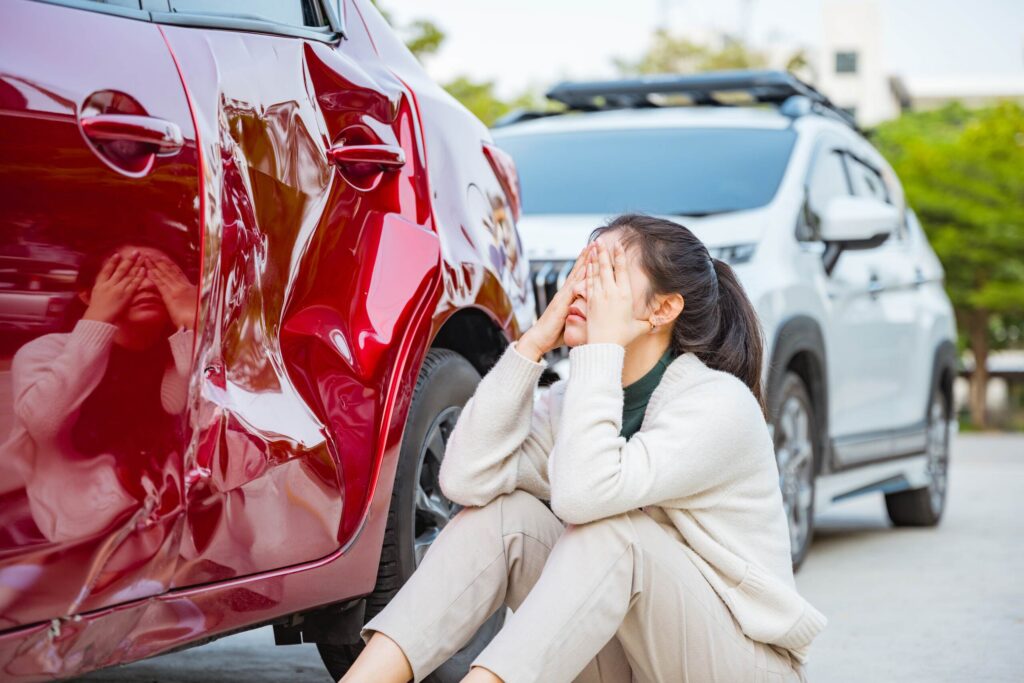
Texas generally allows you two years from the date of the accident to file a lawsuit if you cannot resolve the matter through insurance. Waiting too long can cost you the right to pursue compensation, regardless of how clear-cut your case may be.
This timeline matters whether you were the injured driver, a passenger, or someone whose property was damaged in the accident. Starting the conversation with an attorney sooner rather than later protects your options.
Frequently Asked Questions About Liability in a Borrowed Car
Does the car owner’s insurance always pay first when someone borrows a vehicle?
In Texas, the car owner’s insurance is generally primary when a driver has permission to use the vehicle. The driver’s own insurance typically acts as secondary coverage if the owner’s policy limits are not sufficient to cover all damages.
Can I still recover compensation if I was partially at fault for the accident?
Yes, in most cases. Texas uses a modified comparative fault rule. As long as you were not more than 50% responsible for the accident, you may still recover damages, though your compensation would be reduced by your percentage of fault.
What if my friend’s insurance company denies coverage?
Insurance companies sometimes dispute whether permission was actually given or whether the accident falls within the terms of the policy. When a claim is denied, an attorney can review the denial and help determine whether the decision should be challenged.
Will borrowing my friend’s car affect my own insurance rates?
If your own insurance steps in as secondary coverage after an accident in a borrowed vehicle, your rates could be affected. The specifics depend on your policy and your insurer’s practices. Reviewing your policy language or speaking with your insurance agent can clarify how your particular plan handles this situation.
What damages can I recover after being injured in a borrowed car?
Recoverable damages in Texas personal injury claims may include medical expenses, lost wages, reduced earning capacity, and compensation for pain, suffering, and loss of enjoyment of life. The specific damages available depend on the facts of your case and the extent of your injuries.
Injured in an Accident in a Borrowed Car? We Can Help.
At Branch & Dhillon, P.C., we know how disorienting it can be to deal with injuries, lost income, and unanswered insurance questions all at once. Our team is experienced, knowledgeable, and focused on helping accident victims in Arlington and across the area get the answers and results they deserve.
We handle cases involving liability in a car accident in a friend’s car and work hard to identify every available source of compensation for our clients. Our attorneys are skilled at cutting through insurance company resistance and keeping your case moving in the right direction.
We offer free consultations with no obligation. Call us today at +1-817-533-3430 to speak with our team and learn how we can help you move forward.
