

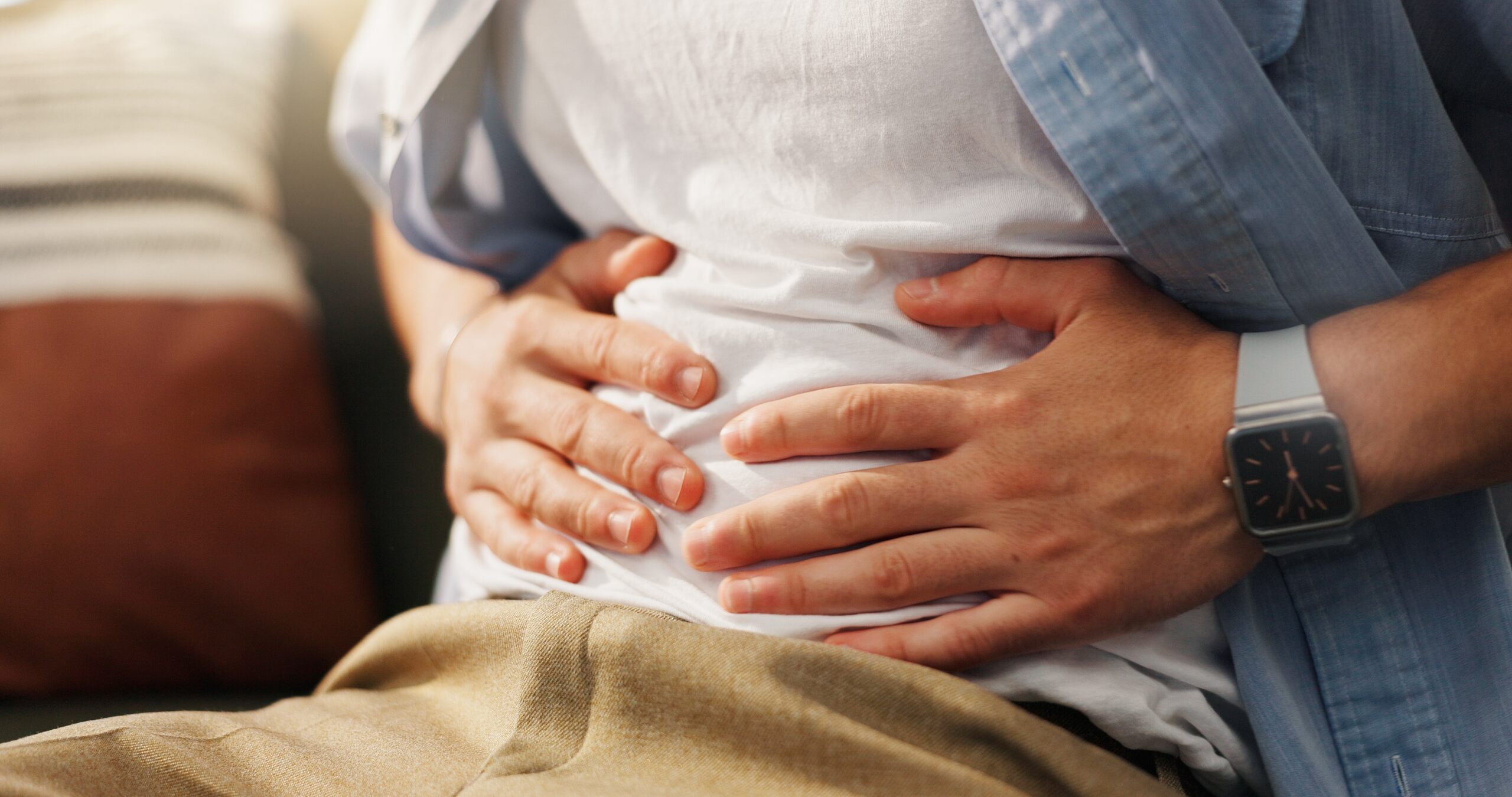
Food poisoning claims often begin while the injured person is still sick, undergoing testing, and trying to determine which meal caused the illness.
Branch & Dhillon understands how much strain that process can place on you and your family, especially when hospitalization, missed work, or lasting complications are involved.
An Oklahoma City food poisoning claim may hold a restaurant, grocery store, food vendor, or supplier liable when contaminated food or unsafe handling causes a serious illness.
Proving the source may require stool cultures, blood tests, pathogen results, inspection records, receipts, and evidence showing when and where you ate.
Our attorneys move quickly to preserve that proof, identify the responsible business, and press its insurer for compensation. We handle the investigation and claim so you can focus on treatment and recovery.
Call (405) 237-8107 while testing may still identify the pathogen. The consultation is free, and you pay no attorney fee unless we obtain a recovery.
Why Does Connecting the Illness to a Specific Restaurant Require a Different Approach?

Food poisoning claims require a different kind of proof than most personal injury cases. A car accident leaves vehicle damage, a police report, and witness statements at the scene.
A foodborne illness leaves biological markers inside your body and inspection records inside a government database. Your attorney must connect those two data points before either one becomes unavailable.
Branch & Dhillon approaches foodborne illness claims by coordinating medical testing with regulatory records. We request your treating physician’s lab results, cross-reference them with the Oklahoma County Health Department’s inspection history for the restaurant, and look for complaints or violations that match the timeline of your illness.
Why Early Testing Strengthens the Claim
Your body begins fighting the infection as soon as symptoms appear. Depending on the pathogen involved, lab cultures are most likely to yield a positive result within the first several days of symptoms.
Antibiotics or your immune response may reduce the chances of a positive culture as time passes.
Surveillance footage at the restaurant, point-of-sale records, and employee schedules may also be lost through routine business operations if your attorney does not send a preservation demand promptly.
We work from 201 Robert S. Kerr Ave, Ste 905, in downtown Oklahoma City. You retain full authority over every decision in your case. We present the options honestly, and you decide the path forward.
When Does Food Poisoning Become a Legal Claim in Oklahoma?
Not every case of food poisoning supports a legal claim. A mild stomach ache that passes in a few hours, while unpleasant, rarely produces the medical documentation or provable damages that a civil case requires.
A viable foodborne illness claim generally requires evidence connecting the illness to contaminated food supplied, prepared, or served by a potentially responsible party, together with legally compensable harm.
Certain symptoms and outcomes signal that a foodborne illness may rise to the level of a legal claim. The following indicators suggest the illness goes beyond routine discomfort.
- Hospitalization for dehydration, kidney complications, or organ stress caused by the infection.
- A pathogen diagnosis confirmed through stool culture, blood test, or other lab work ordered by your physician.
- Missed work lasting several days or more, with documented wage loss during the recovery period.
- Ongoing symptoms such as reactive arthritis, irritable bowel complications, or nerve damage that persist after the initial infection clears.
- Multiple people falling ill after eating at the same restaurant or event, which may point to a broader contamination problem.
The line between an unfortunate meal and a legal claim runs through the medical record. Documented diagnosis, pathogen identification, and provable damages form the foundation of most viable food poisoning cases.
Other medical, epidemiological, and circumstantial evidence may also play a supporting role.
Which Pathogens Cause the Most Serious Food Poisoning Claims?
The specific pathogen that caused your illness affects the severity of the case, the treatment timeline, and the type of evidence your attorney needs.
The Centers for Disease Control and Prevention (CDC) tracks foodborne illness across the country and identifies the pathogens most frequently linked to serious outcomes.
The table below outlines pathogens that commonly appear in food poisoning claims. Incubation periods and testing windows may vary based on individual health factors, pathogen strain, and testing methods.
Common Pathogens in Oklahoma Foodborne Illness Cases
| Pathogen | Common Food Sources | Approximate Symptom Timeline | Evidence Considerations |
| Salmonella | Undercooked poultry, eggs, produce, unpasteurized dairy | Roughly 6 to 72 hours after exposure | Stool culture is generally most effective within the first week of symptoms |
| E. coli (STEC) | Undercooked ground beef, raw produce, contaminated water | Roughly 1 to 10 days after exposure | Early stool testing improves detection; delayed testing may reduce the chances of a positive result |
| Norovirus | Ready-to-eat foods handled by infected workers, contaminated surfaces | Roughly 12 to 48 hours after exposure | Highly contagious; multiple victims from the same source may strengthen the claim |
| Listeria | Deli meats, soft cheeses, smoked seafood, unpasteurized products | Roughly 1 to 4 weeks after exposure | Longer incubation period; blood culture may be needed for confirmation |
| Campylobacter | Undercooked poultry, raw milk, contaminated water | Roughly 2 to 5 days after exposure | Stool culture is generally effective during active infection; reactive arthritis may develop later |
Each pathogen follows its own incubation and detection timeline. Your attorney uses the lab results and the estimated incubation period to work backward and identify when and where the contaminated food was likely consumed.
The FDA’s Bad Bug Book provides additional detail on these pathogens and their food sources.
Who May Be Held Liable for Food Poisoning in Oklahoma City?
Oklahoma negligence law may hold multiple parties liable when unsafe food handling causes a foodborne illness. The responsible party depends on where the contamination occurred in the chain from kitchen to table.
Foodborne illness claims in Oklahoma City frequently target these types of defendants.
- Restaurants and fast food chains where kitchen staff failed to cook food to safe temperatures, cross-contaminated raw and ready-to-eat items, or served food held at unsafe temperatures for extended periods.
- Grocery stores and delis that sold prepared foods, deli meats, or packaged products with contamination traceable to improper storage or handling on the premises.
- Catering companies and food trucks that prepared large quantities of food without adequate temperature control during transport and service.
- Food suppliers and distributors that delivered contaminated raw ingredients to the restaurant or store where the food was prepared.
Oklahoma’s summer heat creates additional food safety risk. High temperatures accelerate bacterial growth in improperly stored food, making temperature-control failures during transport and outdoor service a recurring concern across the OKC metro.
What Evidence Supports a Foodborne Illness Claim in Oklahoma City?
A food poisoning claim relies on two categories of proof: medical evidence showing what made you sick and regulatory evidence showing what the restaurant did wrong.
Combining both categories creates the link between the contaminated food and the party responsible for serving it.
Strong food contamination claims in Oklahoma City draw from these evidence sources.
- Lab-confirmed pathogen results from stool cultures, blood work, or other diagnostic tests ordered during the active infection.
- Oklahoma County Health Department inspection reports showing prior food safety violations, temperature control failures, or sanitation issues at the restaurant.
- Complaint records filed by other patrons or employees that document similar illness connected to the same establishment and timeframe.
- Credit card receipts, online ordering records, or other documentation proving you ate at the specific restaurant during the relevant exposure window.
- Outbreak data from the Oklahoma State Department of Health, if the illness is part of a broader foodborne outbreak traced to the same source.
Health department inspection records are public documents in Oklahoma. Your attorney requests the restaurant’s full inspection history, looking for patterns of food safety violations that support the argument that the establishment failed to maintain safe conditions.
Call (405) 237-8107 to discuss how your diagnosis may connect to the restaurant where you ate. That conversation carries no charge.
What Damages and Deadlines Apply to Food Poisoning Claims in Oklahoma?
Oklahoma personal injury claims are generally subject to a two-year filing deadline under 12 O.S. § 95. Determining when that period begins, and whether any exception or tolling rule applies, requires an analysis of the specific facts.
Do not assume that delayed discovery of the cause automatically extends the deadline. Speaking with an attorney early is the safest approach.
Oklahoma’s comparative negligence rule under 23 O.S. § 13 may apply in food poisoning cases, though it arises less frequently than in collision cases.
A comparative fault defense might come up if, for example, a person consumed food they knew had been recalled or improperly stored.
What Losses May a Foodborne Illness Claim Cover?
Oklahoma law allows food poisoning victims to pursue economic and noneconomic damages. No statutory cap applies to economic losses.
Oklahoma law concerning limits on noneconomic damages has changed over time and may be subject to further constitutional or statutory developments.
An attorney evaluates the law in effect on the date of injury and how it applies to each particular claim. Restaurant illness claims in the OKC area commonly involve these loss categories.
- Emergency room visits, hospitalization, IV fluids, antibiotics, and follow-up medical care related to the foodborne illness.
- Lost wages from days or weeks of missed work during the illness and recovery period.
- Ongoing treatment costs for complications like reactive arthritis, kidney damage, or chronic digestive issues that develop after the initial infection clears.
- Physical pain and discomfort during the acute illness phase and any lasting symptoms that follow.
- Emotional distress tied to the experience of severe illness, hospitalization, and concern about long-term health effects.
Severe foodborne illness cases involving hospitalization, confirmed pathogens, and lasting complications carry significantly more value than cases involving mild, short-lived symptoms. The medical record drives the damages calculation in every food contamination case.
FAQs for Oklahoma City Food Poisoning Claims
Do I need to report food poisoning to the health department before filing a claim?
No, you do not need to file a health department complaint before pursuing a legal claim. However, reporting your illness to the Oklahoma County Health Department may trigger a regulatory review of the restaurant.
That review may produce inspection findings, violation records, and other documentation that strengthens your civil case.
What if my food poisoning symptoms did not start right away?
Delayed symptoms are normal with many foodborne pathogens. Salmonella symptoms may appear 6 to 72 hours after exposure. Listeria may take one to four weeks.
The incubation period for each pathogen is well documented by the CDC and FDA, and your attorney uses that timeline to work backward from your symptom onset to the meal that likely caused the illness.
What if the restaurant passed its last health inspection?
A passing inspection score does not prevent a foodborne illness claim. Inspections capture a snapshot of conditions on a single day.
Contamination may occur between inspections due to lapses in employee hygiene, temperature control failures, or changes in food handling practices. The inspection record is one piece of evidence among several that your attorney evaluates.
What if I only went to urgent care and not the emergency room?
An urgent care visit may still support a food poisoning claim as long as the provider ordered lab work and documented your diagnosis.
A confirmed pathogen result substantially strengthens a claim, although other medical, epidemiological, and circumstantial evidence may also support causation.
The treatment setting matters less than the quality of the documentation that came out of the visit.
What does it cost to hire an Oklahoma City food poisoning lawyer?
Branch & Dhillon handles food poisoning claims on a contingency-fee basis. You pay no retainer, no hourly attorney fees, and no attorney fee unless we obtain a recovery for you.
The written agreement you review before representation begins explains the contingency fee and your responsibility for case-related expenses.
What if multiple people got sick after eating at the same OKC restaurant?
Multiple victims from the same restaurant during the same timeframe may strengthen each individual claim. Matching pathogen results across several people make it harder for the restaurant to argue the food was not the source.
Your attorney coordinates with health department records and other potential claimants to assemble the most complete picture of what went wrong.
What if I did not save any of the food that made me sick?
Not saving the contaminated food does not automatically prevent a claim.
Your attorney may connect your illness to the restaurant through lab-confirmed pathogen results, health department inspection records, epidemiological data, and evidence that other patrons reported similar symptoms during the same period.
Act While Food Poisoning Evidence Is Still Available

A restaurant or food vendor may already have inspection records, temperature logs, sales data, employee records, and prior complaints that help show how the contamination occurred. Branch & Dhillon compares those materials with your lab results, treatment records, food history, and symptom timeline.
We understand that a serious foodborne illness can drain your strength and place added pressure on your household. Our attorneys take on the investigation, confront the responsible business and insurer, and pursue compensation for medical care, lost income, pain, and lasting complications.
Branch & Dhillon represents injured victims from our downtown Oklahoma City office. Call (405) 237-8107 and tell us where you ate, when your symptoms began, and what testing showed. The consultation is free, and you owe no attorney fee unless we win a recovery.
The information on this page is for general informational purposes only and does not constitute legal advice. Every case is different, and past results do not guarantee future outcomes. Contact Branch & Dhillon to discuss the specific facts of your situation.
