

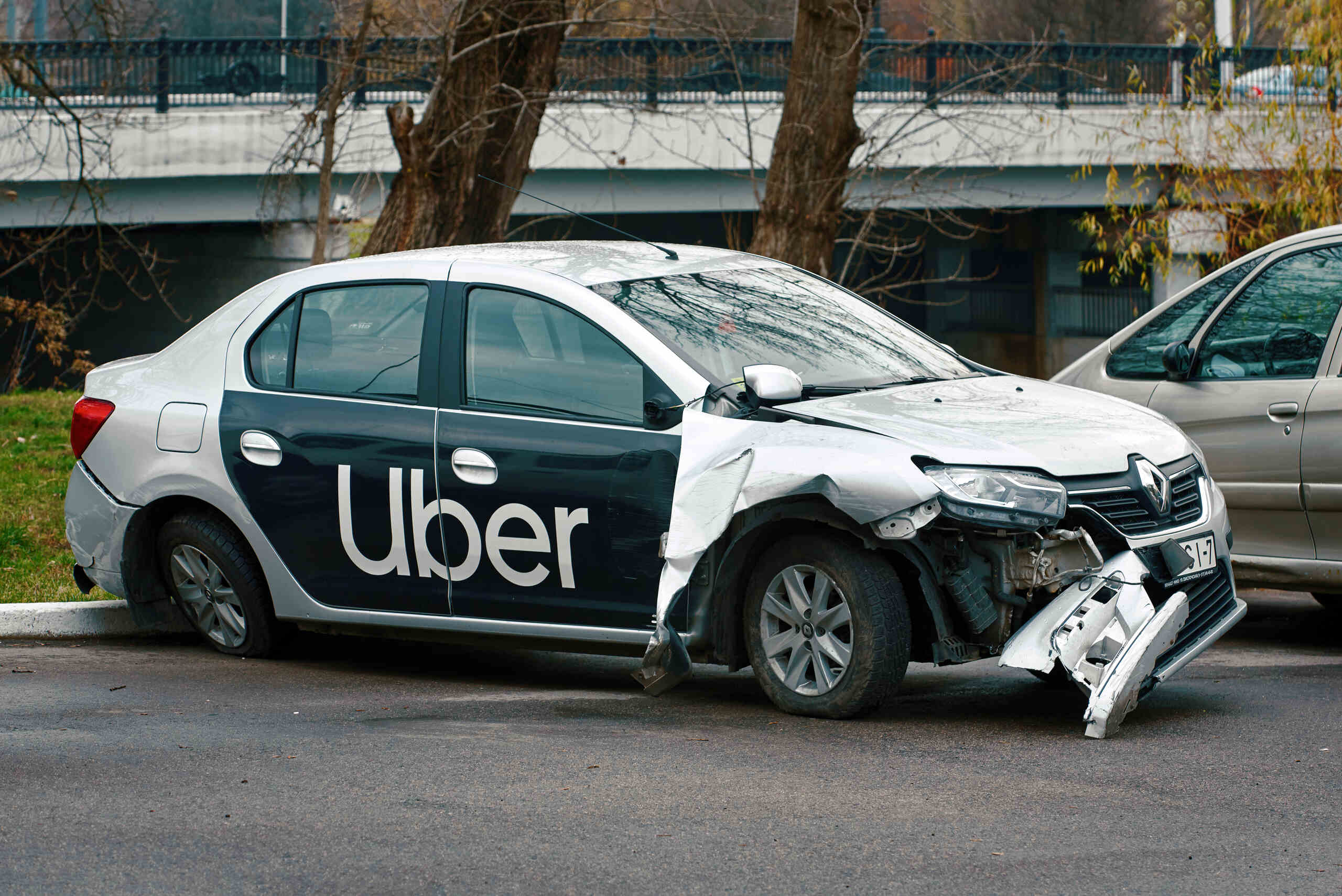
A rideshare accident caused by someone else’s carelessness can leave you with serious injuries, mounting medical bills, and weeks or months away from work.
If you were hurt as a passenger, a pedestrian, or another driver in a collision involving an Uber or Lyft vehicle in Arlington, TX, suing after an Uber or Lyft accident may be the path that helps you recover what you’ve lost.
The legal process has more moving parts than a typical car accident claim, but knowing how it works puts you in a stronger position. An Uber/Lyft car accident attorney can review your case for free and help you decide how to move forward.
Key Takeaways: Filing a Lawsuit After an Uber or Lyft Accident
- Uber and Lyft carry liability insurance policies that can reach $1 million per incident when a driver is actively transporting a passenger, but coverage levels shift depending on the driver’s status at the time of the crash.
- Texas’s two-year statute of limitations means time matters, and waiting too long can eliminate your right to compensation entirely.
- Rideshare accident cases often involve multiple liable parties, including the driver, the company, and potentially other motorists.
- Documenting your injuries, medical treatment, and out-of-pocket expenses from the start strengthens any legal claim you pursue.
- Working with a skilled attorney who has handled rideshare cases gives you the best chance of recovering fair compensation.
Quick Answer: Can I file a lawsuit after an Uber or Lyft accident?
Yes, you can file a lawsuit after an Uber or Lyft accident if another party’s negligence caused your injuries or losses.
- Rideshare companies like Uber and Lyft carry liability insurance that may cover your damages, depending on what the driver was doing at the time of the crash.
- You may have claims against the rideshare driver, the company, another driver, or multiple parties.
- Texas law gives you two years from the date of the accident to file a personal injury lawsuit.
An attorney can review your situation and help you understand your options at no upfront cost.
How Does Rideshare Insurance Work After an Accident?
Rideshare insurance operates differently than other forms of car insurance. How insurance coverage works depends on what the driver was doing when the collision happened.
The Driver’s Status at the Time of the Crash
Uber and Lyft both structure their insurance coverage around what’s called the driver’s status, meaning whether the app was off, whether the driver was waiting for a ride request, or whether the driver was actively carrying a passenger. Each stage comes with a different level of protection for people who are injured.
When the app is off, the driver’s personal auto insurance applies. When the driver is logged in but hasn’t accepted a ride yet, Uber and Lyft provide limited liability coverage, typically $50,000 per person and $100,000 per accident.
When a passenger is in the vehicle or the driver is on the way to pick someone up, coverage can reach up to $1 million.
What This Means for Your Claim
If you were a passenger in an Uber or Lyft at the time of the crash, you were in the highest-coverage window. That doesn’t mean getting paid is automatic. Insurance companies still investigate, dispute fault, and push back on the value of claims.
Having an attorney handle those conversations protects you from accepting far less than your case is worth.
Who Can Be Held Responsible After an Uber or Lyft Crash?
Filing a rideshare accident legal claim can involve more than one at-fault party.
The Rideshare Driver
Drivers who speed, run red lights, text behind the wheel, or drive while fatigued can be held personally liable for the harm they cause. Even though they work through an app, their negligent choices are their own responsibility.
Uber or Lyft as a Company
Rideshare companies have historically tried to classify drivers as independent contractors rather than employees, which affects how liability attaches to the company itself.
However, Texas courts and personal injury attorneys have found ways to hold companies accountable in certain circumstances, particularly when the company’s own policies or failures played a role.
Other Drivers on the Road
Sometimes, the Uber or Lyft driver did nothing wrong. Another motorist may have caused the crash entirely. In those situations, your claim would proceed against that driver and their insurance company, not the rideshare company’s policy.
What Does the Process of Suing Uber or Lyft for Injuries Look Like?
The rideshare liability lawsuit process follows a path similar to other personal injury cases, but with a few additional layers. Here’s a general overview of how things unfold:
Seeking Medical Care and Gathering Evidence
After the accident, seeking medical attention comes first, both for your health and because medical records become the foundation of your claim. Once you’re being treated, an attorney can begin gathering evidence. That includes the rideshare company’s trip data, driver records, accident reports, witness statements, and any available surveillance footage.
Filing Claims and Negotiating a Settlement
From there, your attorney will identify the insurance policies that apply and file claims accordingly. Most cases move through a negotiation phase, where your attorney and the insurance company discuss a settlement. If a fair number isn’t offered, filing a lawsuit in civil court becomes the next step.
What Happens After a Lawsuit Is Filed
Once a lawsuit is filed, both sides exchange information in a phase called discovery. Depositions may be taken, and expert witnesses might be retained. Many cases settle before trial, but having an attorney prepared to go to court often produces better results even in settlement talks.
How Long the Process Takes
The full process can take months or longer depending on the severity of injuries and how disputed the case becomes. Your attorney will keep you informed at every stage.
What Compensation Might You Recover After an Uber or Lyft Crash?
Texas law allows injured people to pursue several categories of damages.
Economic Damages
These cover losses with a clear dollar value. Medical expenses top the list, including emergency care, hospital stays, surgeries, follow-up visits, physical therapy, and medication. If your injuries kept you from working, lost wages count as economic damages.
Future medical costs and reduced earning capacity also fall into this category if your injuries are long-term or permanent.
Facilities like Medical City Arlington and Texas Health Arlington Memorial Hospital treat many victims of serious car accidents in the area. Keeping thorough records of everything you receive at these hospitals and beyond supports the value of your claim.
Non-Economic Damages
Pain and suffering, emotional distress, and loss of enjoyment of life are real harms that don’t come with a receipt, but Texas law recognizes them as compensable.
The physical pain of recovering from broken bones, a spinal injury, or a traumatic brain injury takes a toll that goes beyond hospital bills. So does the stress, anxiety, and disruption to your relationships and daily routine.
Punitive Damages
In rare cases where a defendant’s conduct was especially reckless or intentional, Texas courts may award punitive damages. These are designed to punish the wrongdoer, not just compensate the victim. An attorney can advise whether the facts of your case might support this type of award.
Recovering compensation after an Uber or Lyft crash means accounting for the full range of harm you’ve suffered, not just your immediate medical bills. That’s why you need an attorney to fully evaluate your case and fight for full compensation.
What Steps Can Help Strengthen a Rideshare Accident Claim?
Several actions taken after an accident may improve the strength of your case. These aren’t legal instructions, but rather practical considerations that many people in similar situations have found valuable.
Keep Every Document Related to Your Injuries
Keeping every piece of documentation related to your injuries creates a record that tells the story of what you’ve been through. That includes hospital discharge papers, prescription receipts, bills from specialists, and any out-of-pocket costs like transportation to appointments or home care assistance.
Write Down How Your Injuries Have Affected Your Daily Life
Writing down how your injuries have affected your daily life, including things you can no longer do, activities you’ve missed, and how you’ve felt each day, gives your attorney meaningful material to work with when calculating non-economic damages.
Save Your Rideshare App History
Saving your rideshare app history confirms you were a passenger in the vehicle at the time of the crash. This small step can eliminate disputes about your status.
Avoid Giving Recorded Statements Before Talking to an Attorney
Avoiding recorded statements to insurance adjusters before speaking with an attorney protects you from saying something that could be used to undervalue or deny your claim. Adjusters are skilled at asking questions that can shift blame or minimize your injuries.
Be sure to bring all of this and anything else you can think to support your claim to an attorney. They can review your claim and let you know what your case is worth during a free consultation.
What Should You Know About the Texas Statute of Limitations?
Texas gives injured people two years from the date of the accident to file a personal injury lawsuit. Missing that deadline almost always means losing the right to sue, regardless of how strong your case might be.
Two years can feel like plenty of time, but rideshare cases benefit from early action. Trip data, driver records, and surveillance footage may not be preserved indefinitely. Witnesses’ memories fade. Starting the process sooner gives your legal team a better chance of building the strongest possible case.
There are limited exceptions to the two-year rule, such as when a minor is injured or when an injury isn’t discovered right away. An attorney can clarify whether any exceptions apply to your situation.
Frequently Asked Questions About Suing After an Uber or Lyft Accident
Does it matter if I wasn’t wearing a seatbelt when the Uber or Lyft accident happened?
Texas follows a modified comparative fault rule, which means your compensation can be reduced by the percentage you’re found responsible for your own injuries. Not wearing a seatbelt could be used to argue you contributed to the severity of your injuries. However, it typically doesn’t eliminate your right to recover damages entirely, especially if the crash itself was caused by someone else’s negligence.
Can I still file a claim if the Uber or Lyft driver was not at fault?
Yes. If another driver caused the accident, your claim would proceed against that driver and their insurer rather than the rideshare company’s policy. Passengers in rideshare vehicles have the right to pursue claims regardless of which party caused the crash.
What if I was a pedestrian or cyclist hit by an Uber or Lyft vehicle?
Pedestrians and cyclists injured by rideshare vehicles can pursue claims in the same way a passenger would. The driver’s app status at the time of the collision determines which insurance policy applies, and the same liability analysis follows.
How long does a rideshare accident lawsuit typically take in Texas?
The timeline varies considerably depending on the severity of injuries, how many parties are involved, and whether the case settles or goes to trial. Straightforward cases with cooperative insurers might resolve in several months. Cases involving serious injuries, multiple defendants, or disputed liability can take a year or more. Your attorney can give you a clearer estimate once they’ve reviewed your specific circumstances.
What if the rideshare driver didn’t have the app on when the accident happened?
If the app was off, Uber and Lyft’s commercial insurance policies do not apply. The driver’s personal auto insurance would be the primary coverage available. Depending on that policy’s limits and the extent of your injuries, this situation can make recovery more difficult, though not impossible. An attorney can help you identify every available source of compensation.
Hurt in an Arlington Rideshare Accident? Branch and Dhillon, P.C. Is Ready to Help.
At Branch and Dhillon, P.C., we know how much is at stake when you’re dealing with injuries, lost income, and uncertainty after a rideshare crash someone else caused. Our team is skilled, knowledgeable, and focused on helping injured people throughout Arlington and the surrounding area pursue the compensation they deserve.
We handle rideshare accident cases on a contingency fee basis, which means you pay nothing unless we recover money for you. Our consultations are free, and we’re here to answer your questions without pressure.
If you or someone you love was hurt in a crash involving an Uber or Lyft vehicle, don’t wait to get legal guidance. Call us today at +1-817-533-3430 to schedule your free consultation. We’re ready to listen, and we’re ready to fight for you.
